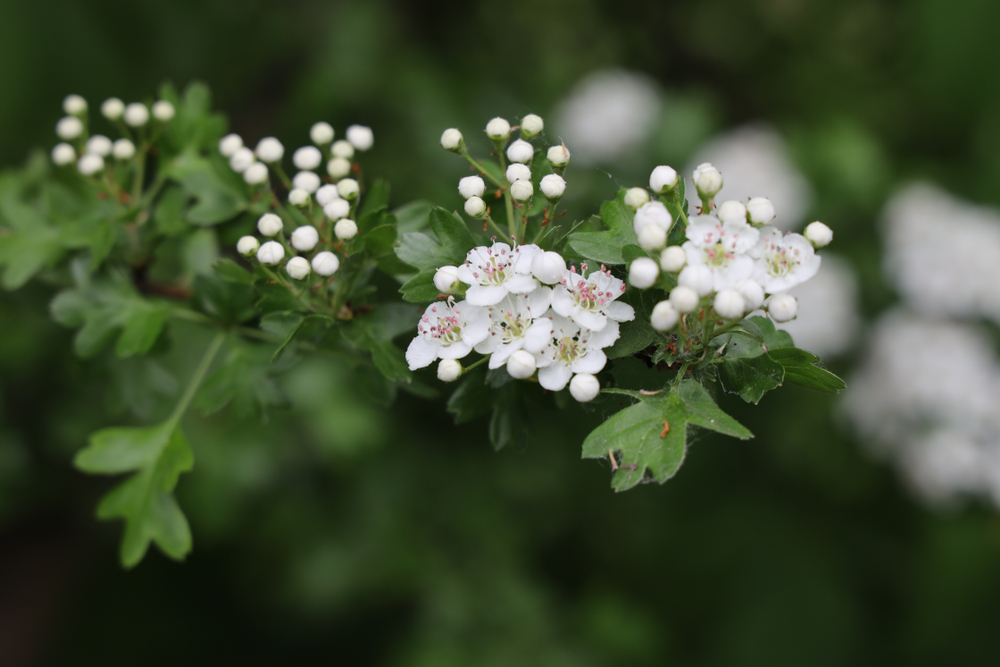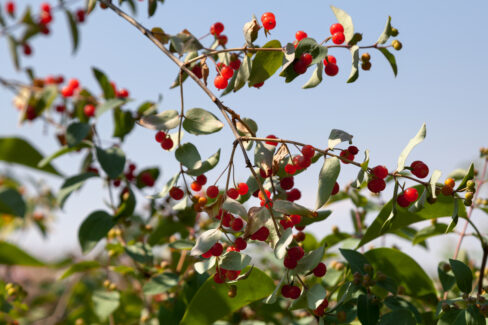
There are quite a few different varieties of Honeysuckle (Heckenkirsche) out there, but here’s the catch: most of them produce berries you definitely shouldn’t eat. The Red Honeysuckle, in particular, is a bit of a “wolf in sheep’s clothing” with its tempting red fruit. On the other hand, the Blue Honeysuckle is a totally different story. Let’s dive into the details so you know exactly what’s growing in your backyard.
Toxic vs. Non-Toxic Honeysuckle Varieties
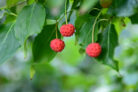
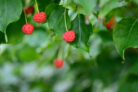
Lonicera xylosteum, commonly known as the Red Honeysuckle, contains a substance called xylostein. This stuff is toxic, and it can be especially dangerous for children. Because the berries are bright red and look a lot like actual cherries, they’re very tempting for little ones. If you’re planning your garden and have kids running around, you might want to think twice about planting this variety. If you already have one, a good tip is to prune the flowers or young berries before they have a chance to fully develop and become a hazard.
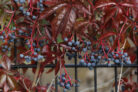
Lonicera caerulea, or Blue Honeysuckle, is the non-toxic cousin. While you can technically eat the berries, don’t expect a flavor explosion—they’re usually pretty bland. Some varieties even have a bitter aftertaste or a somewhat “slimy” texture, which is why you don’t see them in many recipes. However, they are occasionally used to craft specialty fruit brandies.
Harvesting and Using Blue Honeysuckle
Before you start picking, make sure you are 100% certain about which variety you’re dealing with. You don’t want to accidentally harvest something inedible or poisonous! You’ll also want to wait until the berries are fully ripe to get the best results.
Here’s a quick cheat sheet for identifying the berries:
- Harvest Time: The berries usually ripen in June.
- Texture: They have a soft, almost velvety surface.
- Size: They grow to about 3/4 of an inch (two centimeters).
- Shape: They are characterized as “double berries.”
If you do decide to get creative in the kitchen, Blue Honeysuckle berries can be processed into compotes or jams. If you concentrate the flavor, they can even be turned into juice. That said, their most popular use by far is in the production of liqueurs and spirits.