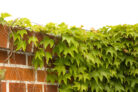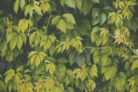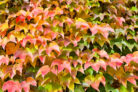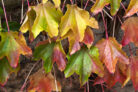
At first glance, Virginia Creeper (often called Wild Grape) looks a lot like its famous cousin, the grapevine. But don’t let the looks fool you! While it’s a stunning ornamental plant for your garden, those tiny berries it produces are definitely not for snacking—unlike the delicious grapes we know and love.
The Berries of the Virginia Creeper
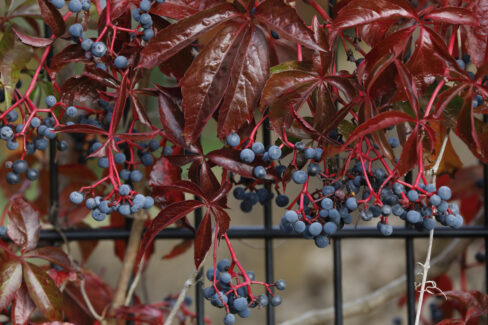
After the plant’s subtle white summer flowers fade, they make way for clusters of small berries that ripen in the fall. Here’s what to look for:
- They are round and about the size of a pea.
- They range in color from deep blue to almost black.
- They usually grow in clusters on a single stem.
Are the Berries Poisonous?
The short answer is yes. The berries of the Virginia Creeper aren’t just “not tasty”—they’re actually mildly toxic to humans. This is because they contain high levels of oxalic acid. If eaten, they can cause some pretty unpleasant symptoms like nausea, vomiting, and general stomach or intestinal distress.
However, there’s a silver lining for nature lovers! While humans and pets should stay away, birds absolutely love them. For our feathered friends, these berries are a delicious and vital food source. So, planting Virginia Creeper doesn’t just make your garden look great; it turns your backyard into a five-star bird bistro.
Watch Out: Don’t Mix Them Up with Real Grapes
Because they look so similar, it’s easy to mistake Virginia Creeper (Parthenocissus) for a true grapevine (Vitis). While they both belong to the Vitaceae family, they are different genera.
It is super important not to mix up the fruit. Real grapes are sweet, juicy, and perfect for everything from snacking to making wine. Virginia Creeper berries, on the other hand, are strictly off-limits for your kitchen table.
Keep an Eye on Kids and Pets
If you have little ones or furry friends running around, you’ll want to be careful about where you plant your Virginia Creeper. Make sure the berries are out of reach for curious toddlers, dogs, or cats who might be tempted to give them a taste.
Looking for Edible Alternatives?
If you’re dreaming of harvesting your own fruit, you’re better off planting a variety of the Common Grape Vine (Vitis vinifera). When it comes to location and general care, they aren’t all that different from Wild Grape, but the reward is much sweeter—literally!