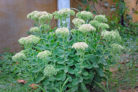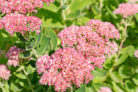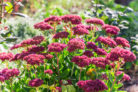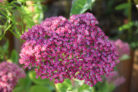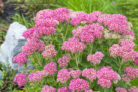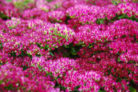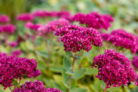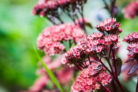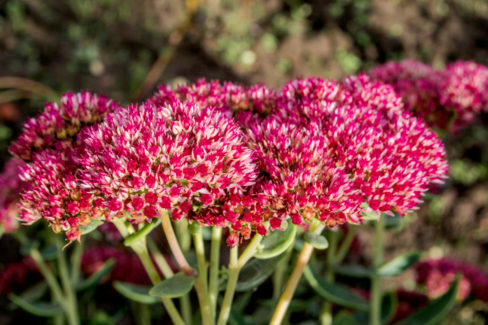
Stonecrop (also known as Sedum) is a tough-as-nails succulent with varieties popping up all over Europe, Africa, and South America. These hardy plants are a total favorite for home gardeners because they aren’t picky at all about their soil. Plus, they keep the garden looking lively well into the fall with their beautiful plate-like clusters of purple, pink, red, or yellow flowers. What most people don’t realize anymore is that Stonecrop and its close cousin, Wallpepper, were once staples in salads, cooked as veggies, or even used as medicine—even though they carry a tiny bit of toxicity.
The “Toxic” Side of Stonecrop
Usually, when a plant is this resilient, it’s because it has built-in defenses against pests. Stonecrop is no different. The entire plant, especially those thick, fleshy leaves, contains a low concentration of certain compounds:
- Tannins
- Alkaloids
- Flavonoids
- Tannic acids
- Glycosides
Because the concentration is so low, you actually can eat Stonecrop and Wallpepper in small amounts. They add a nice, peppery kick to salads or veggie dishes. However, you definitely want to use them sparingly. If you have a sensitive stomach or are pregnant, it’s best to skip the taste test altogether. If you overdo it, you might deal with mild symptoms like:
- Nausea
- Diarrhea
- Vomiting
- Headaches
One major exception is the “Showy Stonecrop” (Hylotelephium spectabile) with its bright pink blooms. Eating this one can cause pretty intense vomiting. Unlike other varieties, even the rabbits know to stay away from this one!
Which Parts Are Edible?
The leaves and the tender young shoots are often used as a zesty seasoning for salads. You can also give them a quick blanch in salted water and serve them up as a side dish. If you want to keep the leaves fresh for a while, try preserving them in oil.
Stonecrop as a Healing Herb
You can actually press the juice out of those thick leaves for some old-school home remedies. Thanks to the tannic acids, the juice can help stop minor bleeding, speed up wound healing, and was historically used internally to treat parasites. Its slightly acidic nature also makes it a handy natural treatment for warts, calluses, or corns. If you’re dealing with a stubborn corn, just slice open a thick leaf and place it directly on the spot—nature’s own bandage!