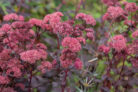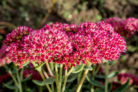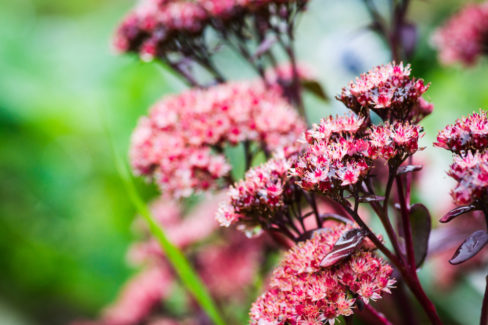
Stonecrop (botanical name: *Sedum*) is one of those rockstar perennials that’s incredibly tough and low-maintenance. It can handle just about any soil you throw at it. Because it contains small amounts of toxins, you might think it’s totally bulletproof against pests and diseases—but unfortunately, that’s not always the case.
Common Diseases and Pests for Stonecrop and Sedum
When these succulents run into trouble, it’s usually due to a “wrong plant, wrong place” situation or a little too much TLC in the watering department.
The Perfect Spot for Your Sedum
Most Stonecrops crave a sunny spot with soil that drains well. While a few varieties can handle partial shade, most types—especially the low-growing varieties—absolutely thrive in heat and drought. This makes them the perfect choice for sunny rock gardens or even green roofs.
Common Care Mistakes
The number one mistake gardeners make with Sedum? Overwatering. Too much H2O leads to waterlogging, which is the fastest way to weaken these plants. It usually starts with root rot and ends with the plant dying off completely. This rot is caused by the *Phytophthora* fungus. Keep an eye out for these red flags:
- Stunted or slow growth
- Yellowing or browning leaves
- Drooping foliage
- Leaves that look like they are drying out (despite wet soil)
- Roots that turn red and mushy
First Aid for Root Rot
If you catch it early, you might be able to save the plant! Dig it up and trim away any rotted, mushy sections. Then, move it to a better location with better drainage. If the rot is advanced, though, it’s best to toss the plant. Pro tip: You can prevent this altogether by adding a drainage layer of gravel or broken terracotta pieces to the bottom of the planting hole.
Mildew and Wilt Disease
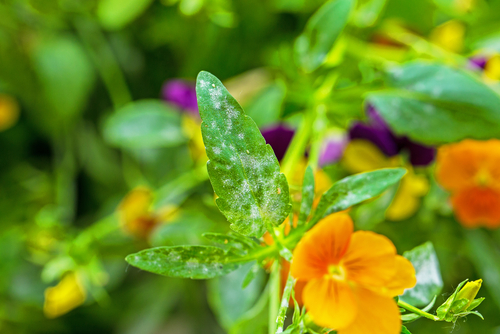
Powdery mildew is another common headache for Sedum lovers. You’ll usually see that tell-tale white, fuzzy coating on the leaves during hot, dry spells. Luckily, you can treat this with specialized organic sprays.
Then there’s wilt disease, which tends to target the carpet-forming varieties like Goldmoss Stonecrop. You’ll notice patches of the “carpet” starting to die off. If this happens, you need to be aggressive: remove the affected sections entirely and swap out the soil in that area before you try planting anything new there.
The Pests
The biggest villains in the Sedum world are Black Vine Weevils and their larvae. The adult beetles munch on the leaves, while the larvae go underground to feast on the roots. To keep them in check, you can hand-pick the beetles off the plants at night. For a more “pro” solution, try using beneficial nematodes. These microscopic roundworms are a gardener’s best friend—they hunt down and kill the larvae in the soil naturally.