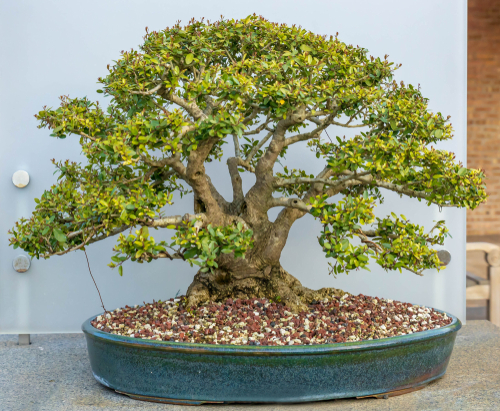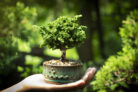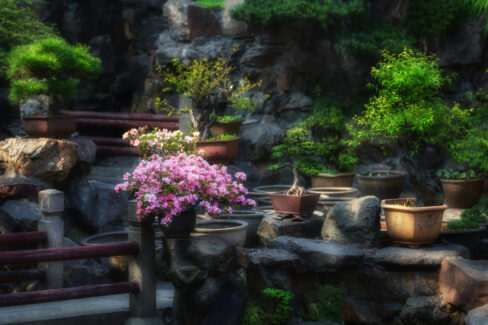
The Japanese Camellia isn’t just a stunner for your backyard or balcony; thanks to its natural growth habit, it’s actually a fantastic candidate for bonsai styling. If you want to keep your Camellia bonsai thriving for years to come, getting the care routine just right is key.
Why the Japanese Camellia is a Top Choice for Bonsai
Out of all the different Camellia varieties, the *Camellia japonica* is a real standout for bonsai enthusiasts. Its naturally compact shape and smaller stature make it easy to manage, and those show-stopping blooms add a serious “wow” factor to your collection. Plus, since it’s an evergreen, you get to enjoy lush green foliage all through the fall and winter.
Training Your Camellia into a Bonsai
If you’re planning to train a Japanese Camellia yourself, the most important tools you’ll need are time and a little bit of patience.
Start with Natural Growth
Before you start styling, let your young plant or seedling grow under normal conditions for a few years. This allows the root system and the branches to develop plenty of strength and vigor before the real training begins.
Moving to the Bonsai Pot
Once it’s ready, transplant your Camellia into a bonsai pot that fits the size you’re aiming for. Make sure to use a loose, well-draining substrate so the roots can breathe.
Shaping Your Bonsai
To keep that classic bonsai look, pruning is your best friend. Identify your strongest main branches and use them as your “skeleton,” then prune back the side shoots accordingly. Regularly trim away any runaway growth that breaks the silhouette to keep your tree looking sharp.
Wiring Your Bonsai
Wiring is essential for guiding your tree into the perfect shape. It’s best to do this in the fall or winter when the plant isn’t busy blooming. Be sure to remove the wires by the following summer once the branches have “set” in their new direction—this prevents the wire from cutting into the bark and causing permanent scarring.
Troubleshooting Pests and Problems
If your Camellia starts dropping leaves or flowers, or just looks a bit “off,” it’s usually a sign that something in its environment isn’t quite right. The most common culprits are:
- The wrong spot (watch out for drafts or harsh weather).
- Watering issues—either the roots have dried out completely or they’re sitting in soggy, stagnant water.
- Over-fertilizing.
- Winter temperatures that are a bit too chilly (try to keep it above 60°F or 15°C).
You should also keep an eye out for uninvited guests like scale insects or vine weevils. Give your plant a quick check-up every now and then to catch any pests before they become a bigger problem!