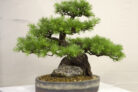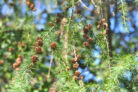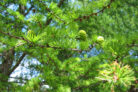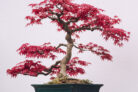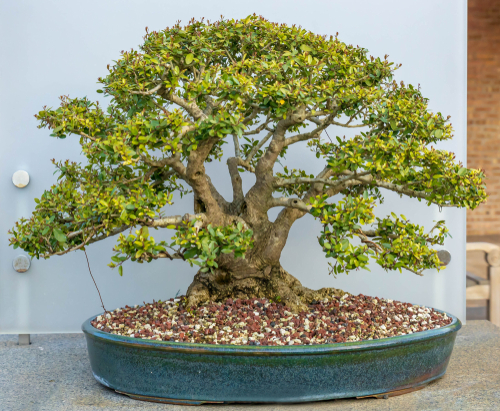
If you’re looking to dive into the world of bonsai, the Japanese Larch is actually a better pick than its European cousin. It’s a fantastic little tree that’s surprisingly beginner-friendly. Here’s the lowdown on why this species is a superstar in the bonsai world and what you need to know to keep yours thriving.
Why the Japanese Larch Loves a Good Trim
When you’re choosing a tree for bonsai, “pruning tolerance” is the name of the game. Since you’ll be shaping and trimming your tree regularly, you need a species that can handle the shears without throwing a fit. Good news: the Japanese Larch is incredibly hardy in this department. In fact, it handles pruning even better than the European Larch.
Here’s why it’s a favorite for bonsai enthusiasts:
- It’s super resilient to heavy pruning.
- It grows branches like crazy, giving you plenty to work with.
- It naturally develops a beautiful, wide crown that’s easy to style.
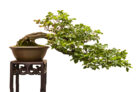
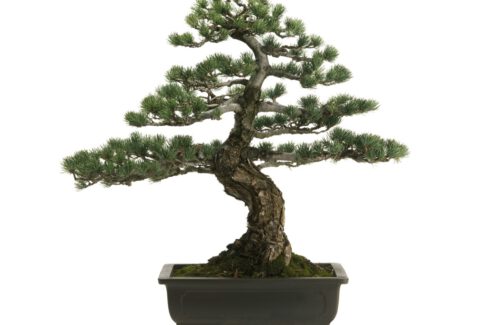
The Japanese Larch loves to spread its wings, so to speak, creating a wide canopy with lots of delicate branching. Every time you prune your Japanese Larch, you’re actually encouraging it to grow even denser and more intricate. This makes it a dream for shaping; whether you want a classic upright look or something more windswept, this tree is up for the challenge.
Care and Feeding: Keeping Your Larch Happy
One thing you’ve got to remember is that Japanese Larches are thirsty! Even in a small bonsai pot, those roots need plenty of hydration. You’ll want to give it a good misting or watering regularly. A pro tip is to use the right substrate (soil mix) that holds onto moisture, ensuring the roots have a steady “drink” available in the tray.
As for location, find a bright, sunny spot for your tree. And don’t forget the snacks! Because bonsai live in tiny pots with limited soil, they can’t hunt for nutrients like a tree planted in the ground. You’ll need to use a high-quality bonsai fertilizer to make sure it gets all the vitamins it needs to stay vibrant.
Finally, remember that bonsai is an ongoing project. Once you’ve got that initial shape down, you’ll need to keep your scissors handy. If you let it go, it’ll quickly outgrow its miniature silhouette. Every now and then, you’ll also need to perform some root pruning to keep the tree healthy and perfectly scaled for its pot.