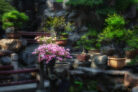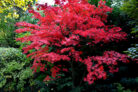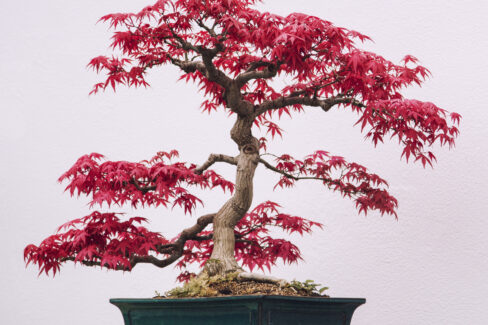
Japanese Maples are a total classic in the bonsai world, and for good reason! Between their elegant growth patterns and those stunning, delicate leaves, they make for a gorgeous centerpiece. The Red Japanese Maple, in particular, is a huge favorite for gardeners everywhere. If you’ve been thinking about starting your own, here’s the lowdown on how to keep yours happy and healthy.
The Versatility of the Japanese Maple
Native to Japan, the Japanese Maple is incredibly versatile when it comes to bonsai styling. Whether you want a single, majestic miniature tree or you’re dreaming of creating a tiny, lush forest, this plant can do it all.
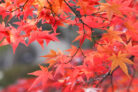
The real showstopper is the foliage, which puts on a spectacular color display. However, to keep those leaves looking vibrant, you’ve got to stay on top of your care routine. These little guys are a bit picky about their nutrients and moisture levels, so consistency is key.
Why we love Japanese Maples:
- Beautifully shaped, delicate leaves
- Naturally graceful growth habits
- They bounce back well after pruning
Shaping Your Bonsai
To get that iconic bonsai look, you’ll need to do some “training” through pruning. Without regular maintenance, your tree will try to revert to its full-sized self! The best time for a major structural prune is in early spring, right before the new leaves bud out.
Pruning early is better because the sap isn’t flowing heavily yet. If you want to shape the branches with wire, June is usually the sweet spot. Just make sure to remove the wire before winter hits—you don’t want it cutting into the bark as the tree grows, and it gives the plant a chance to rest during the winter months.
Watering and Feeding Tips
Japanese Maples love their hydration. They need consistently moist soil to thrive, so regular watering is a must. That said, they hate “wet feet,” so make sure your pot has great drainage to avoid root rot. For the best results, use a gentle bonsai watering can or a fine spray attachment.
Since bonsai pots hold a very limited amount of soil, your tree can’t scavenge for nutrients like it would in the ground. From April through August, give it a boost with a quality liquid fertilizer once a month. Once winter rolls around, stop fertilizing entirely so the tree can enter its natural dormant phase.
Don’t Forget to Repot
In the early years, your bonsai is going to be growing pretty fast. You’ll want to repot it every two years or so, moving it to a slightly larger container once the roots start getting cramped. Once your tree hits the ten-year mark, it slows down a bit, and you’ll likely only need to repot every five years. When you do repot, give the roots a light trim, but always make sure to leave the main, sturdy root structure intact to keep the tree stable.