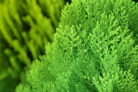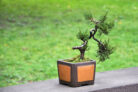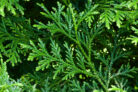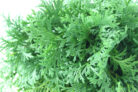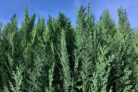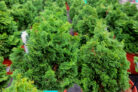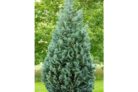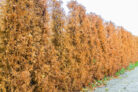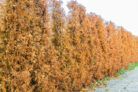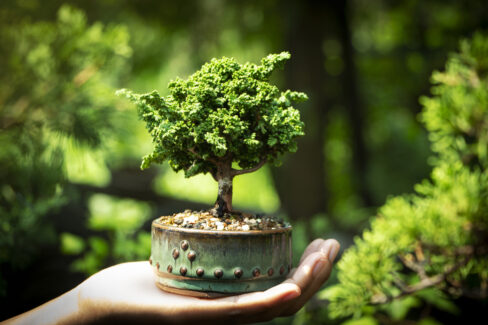
The False Cypress is a huge favorite in the gardening world, and thanks to its unique growth habits, it makes a fantastic candidate for bonsai styling. If you’re looking to keep your False Cypress bonsai thriving for years to come, here are a few insider tips on how to care for it properly.
Pruning Your Bonsai
To keep that classic bonsai silhouette, regular pruning is non-negotiable. You’ll want to stay on top of trimming:
- The shoot tips,
- The side branches,
- And the roots whenever you repot.
Don’t Forget to Repot
Every five years or so, your bonsai will need a fresh start in a new pot. While you can technically do this year-round, the best times to repot are in the spring or during September. To keep the tree from getting too big for its britches, make sure to prune the roots back during the repotting process.
Wiring Your False Cypress
Wiring is the secret to getting those branches exactly where you want them. You can wire your tree at any time of year. I recommend using aluminum wire—wrap it firmly enough to guide the branches into shape, but be careful! You don’t want the wire so tight that it cuts into the bark as the tree grows.
The main growing season kicks off in early May. It’s a good idea to remove any wire before then so it doesn’t interfere with the new spring growth.
General Care Tips
Just like a full-sized False Cypress, your bonsai is a bit of a Goldilocks when it comes to water: the root ball should never dry out completely, but you definitely don’t want it sitting in soggy soil. Make sure to fertilize regularly, especially during the peak growing months in spring and summer.
Winter Protection for Outdoor Trees
Even though False Cypress bonsais can live outdoors year-round, they need a little extra TLC when the temperature drops. Because bonsai pots are so small and shallow, they don’t offer much insulation for the roots against hard freezes. Make sure to provide some winter protection on those extra-frosty days.
A Quick Safety Note: False Cypress is Toxic
Keep in mind that the False Cypress is toxic. The essential oils in the plant can cause skin irritation or even symptoms of poisoning if ingested. If you have little ones or curious pets running around, make sure your bonsai is kept well out of their reach—or consider a non-toxic alternative for your collection.