Flowers hold a special place in the Land of the Rising Sun, serving as a cornerstone of Asian culture and symbolism. Today, I’m taking you on a little virtual tour of the nine most popular Japanese flowers, plus a “pro tip” favorite for your water garden.
[[pflanzen]]
++ Japanese Camellia (Camellia japonica)
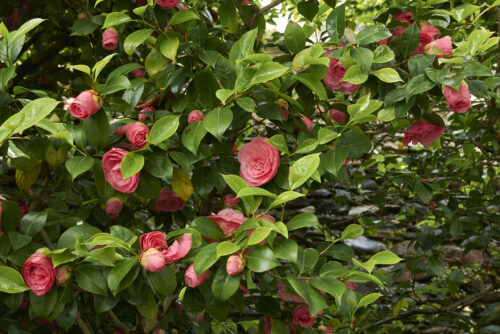
Camellias have been a staple in Japan for thousands of years, used for everything from tea to oil. These evergreen shrubs are real showstoppers, sometimes reaching heights of up to 60 feet in the wild! Their glossy, deep green leaves provide the perfect backdrop for large, vibrant blooms with striking yellow stamens. If you want to grow these at home, they love slightly acidic, lime-free soil. They’re happiest in a shady, sheltered spot on a patio or in an unheated sunroom.
++ Japanese Poppy (Hylomecon japonica)
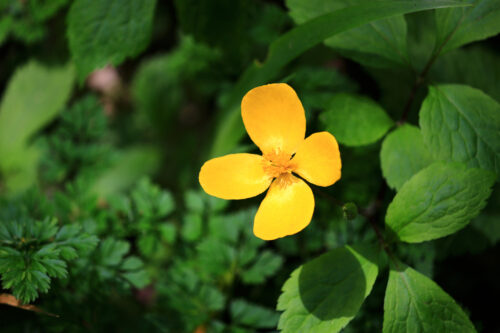
This charming spring bloomer, also known as the Japanese Forest Poppy, grows wild in Japan’s woodlands but is a total gem for home gardens. From April to May, it shows off golden-yellow flowers that can reach about two inches across. Since it loves dappled shade, it’s a fantastic choice for planting under trees or shrubs. Plus, it’s a hardy perennial, so its notched green leaves will keep your garden looking lush year after year.
++ Japanese Azalea (Rhododendron japonicum)
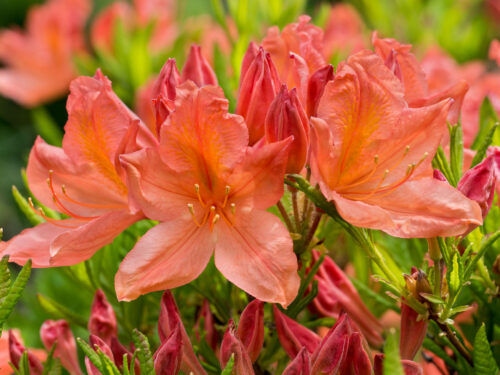
If you’re working with a smaller yard or a cozy front garden, Japanese Azaleas are your best friend. They stay relatively compact, usually topping out between 2 and 5 feet. In the spring (April and May), these shrubs explode with countless blossoms in shades of white, pink, red, or purple. Sometimes the flowers are so dense you can barely see the dark green leaves underneath!
++ Japanese Anemone (Anemone hupehensis var. japonica)
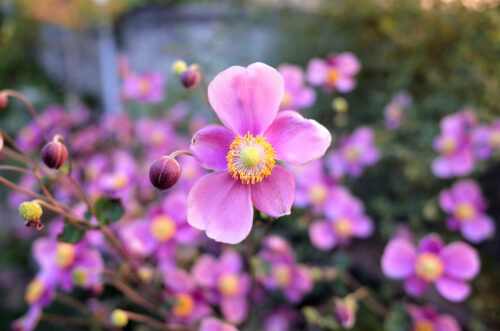
Low-maintenance and totally reliable, Japanese Anemones are a must-have for late-summer and fall color. Depending on the variety, they start blooming in July or September. You’ll see delicate clusters of up to 15 flowers swaying on tall, elegant stems that can reach over 5 feet high. Whether you prefer single or double blooms, they come in beautiful whites, soft pinks, and deep purples.
++ Dahlia (Dahlia spec.)
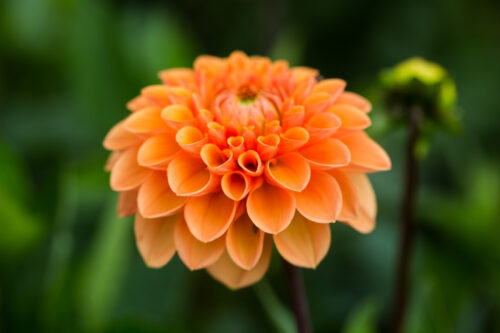
Dahlias are beloved in Japan (and everywhere else!) for their incredibly long blooming season. With thousands of varieties out there, you can find them in almost every height, shape, and color imaginable. They look stunning when paired with ornamental grasses or other perennials. Just a heads-up: they aren’t frost-hardy. Once the first frost hits the foliage, you’ll need to dig up the tubers and store them indoors for the winter.
++ Chrysanthemum (Chrysanthemum)
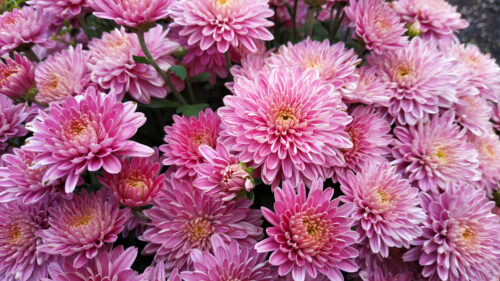
The 16-petaled chrysanthemum is the ultimate symbol of Japan—it’s even the emblem of the Emperor, who sits upon the “Chrysanthemum Throne.” These perennials usually grow between 2 and 5 feet tall and come in a rainbow of colors like white, yellow, orange, and red. Some of the newer hybrids feature multi-colored flower heads that really make a statement in any flower bed.
++ Asiatic Lilies (Asiatic Lily Hybrids)
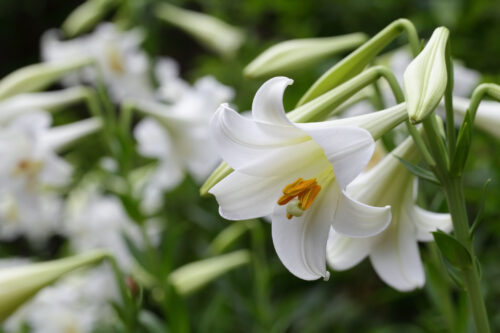
These beauties are the result of crossing various lily species native to Asia. They are sturdy perennials that grow anywhere from 2 to 6 feet tall, featuring elegant, narrow leaves. The stunning flowers open up between June and August. Most Asiatic lilies have six petals and come in bold, solid colors, often decorated with cute little dark “freckles” or spots.
++ Red Spider Lily (Lycoris radiata)
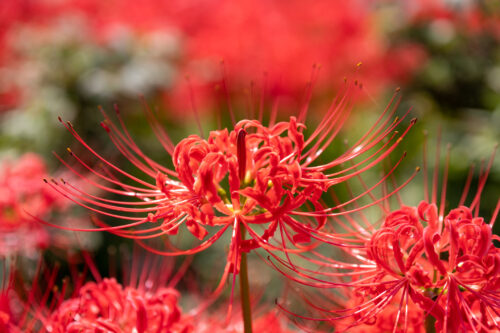
Often called the Japanese Amaryllis, these grow wild across Japan along rice paddies, roadsides, and riverbanks. They have a unique growth habit: the leaves and the flowers rarely appear at the same time. A leafless stem shoots up to reveal brilliant red, spider-like blossoms with wavy petals that curl backward. Since they aren’t fully winter-hardy in colder climates, many people grow them as striking houseplants to brighten up a windowsill.
++ Japanese Edelweiss (Leontopodium japonicum)
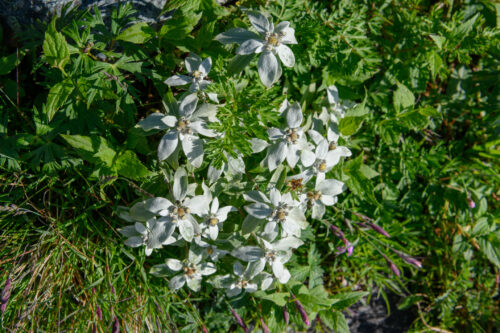
While it looks a lot like the famous European Edelweiss, this variety is native to the mountains of Japan, China, and Korea. It’s a bit of a “giant” compared to its cousin, reaching about 20 inches in height. The stems are densely packed with leaves and become woody at the base over time. In mid-summer, it produces star-shaped, fuzzy white bracts that surround the tiny actual flowers in the center.
%% Lotus (Nelumbo)
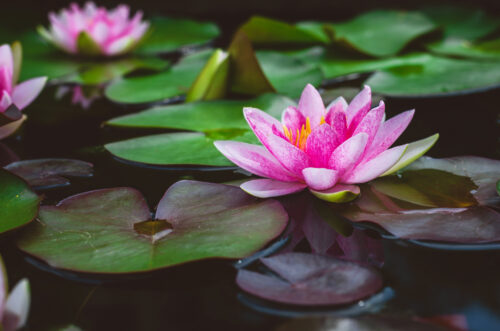
Japan has a deep, ancient tradition of cultivating the Lotus. This aquatic plant is famous for its massive, platter-like leaves that float on the water’s surface. The multi-petaled flowers are incredibly elegant and come in the most delicate shades. If you’re dreaming of growing Lotus in your own backyard, just make sure your pond is deep enough and the water quality stays top-notch!