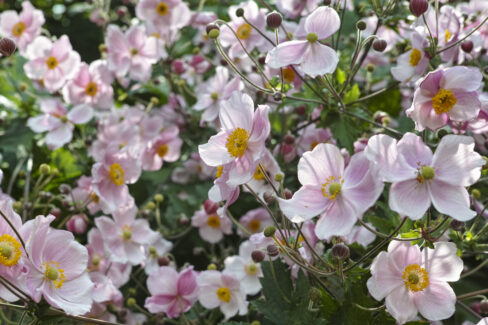
It’s almost like anemones—or “windflowers,” as many of us call them—know exactly how much we love their vibrant colors. To keep us happy, this diverse plant family has split itself into two main groups, giving us two distinct blooming seasons. The trick to enjoying both is making sure you’ve got a mix of bulbs and perennials in your garden beds.
Spring-Blooming Bulbs Take the Lead
Windflowers that grow from tubers or bulbs are total hibernators; you won’t see a trace of them during the winter. Since many of these varieties aren’t fans of deep freezes, the bulbs are usually dug up in the fall and stored somewhere frost-free. Once the ground thaws in early spring—usually late March to mid-April—it’s time to get them back in the dirt. You’ll see green shoots pretty quickly, followed by those gorgeous flowers. Depending on the weather, they’ll start showing off in April and keep going through May.
Quick Note:
If you’ve picked up a cold-hardy variety and decided to plant in the fall, make sure to tuck them in with a thick layer of mulch, straw, or evergreen branches. Even “hardy” bulbs can give up the ghost if a really nasty frost hits unprotected soil.
The Late-Show: Fall Anemonies
The perennial varieties stay in your garden beds year-round and typically wait until the second half of the year to shine. Even though they often start blooming in August, we usually call them “Fall Anemones.” This is likely because their peak performance happens in September as autumn kicks off. If you treat them right, they’ll keep those blooms coming well into October, only stopping once the true winter chill sets in.
How to Keep the Blooms Coming
If you want a long, lush flowering season, location is everything—the sunnier the spot, the better the show. Unless you’re planning on harvesting a ton of seeds, you can actually “trick” the plant into blooming longer and harder with one simple chore:
- Don’t let wilted flowers hang around.
- The plant wastes a lot of energy trying to produce seeds once a flower fades.
- Deadhead those spent blooms quickly to redirect that energy back into new buds.
Pro Tip:
Obsessed with your anemones? You can turn a small patch into a total floral takeover next year. Just divide your perennials or separate the “baby” offset bulbs to spread the love to other corners of your yard.