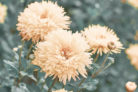
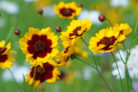
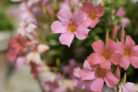
Depending on the variety you choose, chrysanthemum blooms can look wildly different. Some look like fluffy little pom-poms, while others sport a classic daisy-like fringe. You’ll find them in single, semi-double, or fully double forms, and the color palette is just as diverse—ranging from crisp whites and sunny yellows to every shade of red, violet, and even blue.
But here’s a fun fact most folks don’t know: these beautiful blooms have been a staple in Traditional Chinese Medicine (TCM) for centuries.
Chrysanthemum Flower Tea
Traditional Chinese Medicine is famous for its unique natural remedies, and dried chrysanthemum flowers are no exception. Whether brewed as a soothing tea or used as a topical compress, they’re a go-to for several common ailments:
- Relieving tension headaches
- Helping with high blood pressure
- Lowering fevers
- Managing gout symptoms
- Serving as a refreshing, cooling summer drink
- Using compresses to treat acne or boils
- Rinsing with tea to soothe mouth and throat inflammation
- Using infusions as a wash to calm eczema (neurodermatitis)
Western herbalism has also caught on to the benefits of chrysanthemum tea. It’s often used in compresses to help with circulation issues, varicose veins, and atherosclerosis.
Which Chrysanthemums are safe to use?
Before you start picking flowers from your garden, keep in mind that not all chrysanthemum varieties are safe to dry and drink. Many types (especially those in the Tanacetum genus) contain toxins and are definitely not for consumption. For tea, you’ll want to look for “edible chrysanthemums,” such as *Glebionis coronaria*. These flavorful chrysanthemums have a lovely spicy kick, and you can use both the leaves and the flowers to jazz up salads or brew a pot of tea.
How to brew Chrysanthemum tea
Chrysanthemum tea has a long history, dating back to the Song Dynasty (around 960–1279 AD). In TCM, it’s still a favorite for proactive health maintenance.
To make it, place your dried blossoms in a teapot and pour in water that has been boiled and then cooled slightly to about 195°F to 205°F (90–95°C). Most people like to add a bit of rock sugar or cane sugar to balance the flavor. The resulting tea is a beautiful pale yellow and has a slightly bitter or sharp profile. Once you’ve finished the first pot, don’t toss the flowers! You can steep them a second time for a milder, lighter cup. Depending on your taste, you can even go for a third infusion.