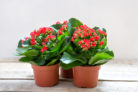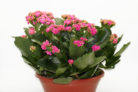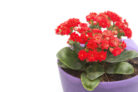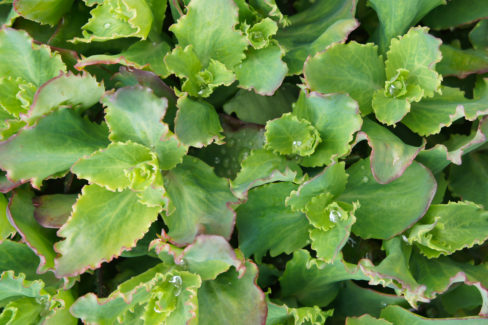
The Kalanchoe—also known by its charming nickname, “Flaming Katy”—is a total rockstar in the world of houseplants. These Madagascan natives are famous for being low-maintenance and packing a serious punch of color in the spring and early summer. But what do you do when your Katy refuses to bloom again?
How to Get Your Kalanchoe to Bloom Again
Most indoor gardeners treat these beauties like a one-season bouquet and toss them once the flowers fade. But here’s a little secret: you don’t have to! Even though getting a second bloom phase feels like a challenge, your Kalanchoe is perfectly capable of putting on another show next year.
Flaming Katy is what we call a “short-day plant.” This means she needs a little “beauty sleep” to trigger those buds. With a bit of plant-parenting magic and these tips, you can get her back in her colorful dress:
- Bud formation happens after a rest period. During this time, you’ll want to cut back significantly on both water and light.
- Keep things chilly! During her rest phase, your Kalanchoe prefers a cool spot (around 60°F or 15°C).
- Limit the light: Make sure your plant gets only eight to nine hours of light per day—and yes, that includes artificial light from your lamps!
- Skip the snacks: Stop fertilizing entirely during this rest period.
- Total darkness is key: From about 6 p.m. to 9 a.m., she needs to be in the dark.
- To make this easy, you can simply pop a cardboard box or a bucket over the plant in the evenings.
- Alternatively, you can move her into a windowless closet or pantry overnight.
Pro Tip: Start this “short-day” routine in November and keep it up for about six weeks. After that, your Flaming Katy will start forming the buds for her big comeback.
How to Extend the Blooming Season
Normally, these plants show off their flowers between February and June. If you want to keep the party going as long as possible, stay on top of deadheading. Carefully pinch off wilted flower heads regularly. Just be careful to only remove the individual spent flowers, not the entire flower stalk! That stalk is where next season’s blooms will eventually start.
Pro Tip: If you just can’t get enough of those vibrant colors, you can easily propagate your Kalanchoe using leaf or stem cuttings to grow your collection!