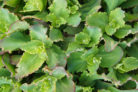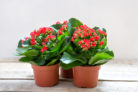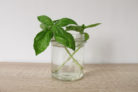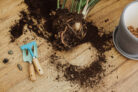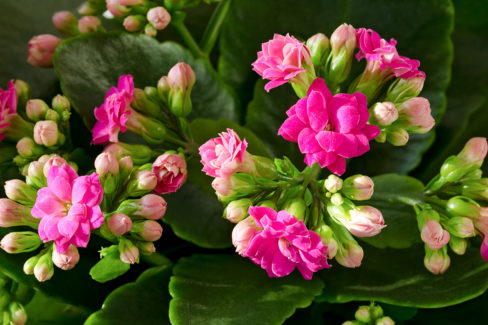
The Flaming Katy (Kalanchoe blossfeldiana) is a total charmer of a houseplant, known for putting on a vibrant color show for years. Since it’s a succulent, it’s actually super easy to propagate using stem or leaf cuttings. One thing to keep in mind: the mother plant doesn’t produce “babies” or runners on its own, so if you want more of these beauties, you’ll need to take cuttings yourself.
Keep the Color Coming: Propagation via Cuttings
The propagation method for Kalanchoe is pretty much foolproof. Whether you use a full stem or just a single leaf, these cuttings develop roots incredibly fast. It’s a budget-friendly and simple way to expand your plant collection without spending a dime at the nursery.
The best time to take your cuttings is right after the flowers start to fade and the first blooming phase is over. That said, you can generally have success taking cuttings anytime during the spring or early summer.
Pro Tip: Smart gardeners time their propagation to match their regular pruning. That way, you’re only giving the plant one “haircut” and getting new plant babies out of the deal!
How to Take Stem Cuttings
If you want to grow a new Kalanchoe from a stem, just follow these simple steps:
- Cut off a stem that is about 4 to 6 inches long.
- Look for healthy stems that don’t have any flowers on them.
- Always use a sharp, sterilized knife. This prevents crushing the stem and keeps the plant’s “plumbing” intact so it can take up water later.
- Let the cutting sit out for about a day so the cut end can callously over. Then, plant it in well-draining soil.
- Keep the soil consistently moist, but be careful not to let it get soggy.
- Place your nursery pot in a warm, bright spot, but keep it out of direct, scorching sunlight.
How to Take Leaf Cuttings
Alternatively, you can grow new “Madagascar Bells” (another cute nickname for this plant) using just the leaves:
- Snip off a few individual leaves—the bigger and healthier, the better.
- Gently score (make a tiny nick in) the leaf veins on the underside.
- Lay the leaf flat on top of your potting mix with the scored side facing down.
- If the leaf won’t stay flat, you can use a small pebble to weigh it down.
- Keep things humid by misting the leaf regularly with a spray bottle.
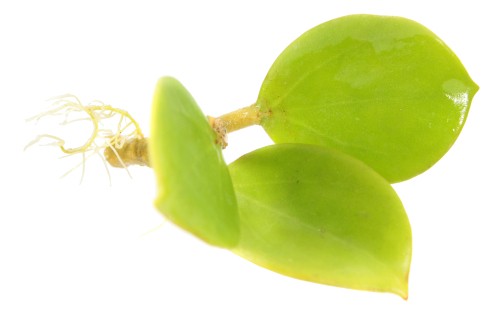
After a few weeks, you’ll start to see tiny new plantlets sprouting from those scored veins. Once they’ve grown tall enough to handle, you can transplant them into their own little starter pots.