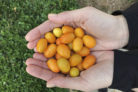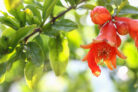
If you want to enjoy those zesty, delicious little citrus fruits, your kumquat tree needs to produce plenty of blossoms first. Getting your tree to bloom isn’t magic—it mostly comes down to giving it the right winter “nap” and keeping up with a little pruning.
Winter Dormancy: The Secret to Spring Blooms
For a kumquat to push out flowers, it needs a proper winter dormancy period. Before the cold sets in, it’s a great idea to check if your plant needs a new home. When you plant your kumquat, make sure to choose a pot with plenty of room to grow; that way, you won’t have to worry about repotting again for a few years.
Once it’s settled in its pot, it’s time to move it to its winter quarters. The environment here is make-or-break for future flowers. You’re looking for a spot that is bright and frost-free, with temperatures staying consistently between 40°F and 50°F (5-10°C). If the room is too warm, the tree might drop its leaves and won’t have the energy reserves left to produce blossoms come spring.
Feeding and Watering
While your kumquat is “sleeping” for the winter, you can skip the fertilizer and water sparingly with lime-free water. Once spring rolls around, you can start watering more frequently again. A good way to kickstart the season is by working a little compost into the soil.
As soon as the threat of frost has passed, feel free to move your plants back outside to a warm, sheltered spot. This is also the time to start a regular fertilizing routine. I highly recommend using a liquid citrus fertilizer from your local garden center. While DIY fertilizers are great for some plants, citrus trees are pretty picky about their nutrients when it comes to fruit production, so a specialized store-bought mix is usually your best bet.
Pruning for Success
Your kumquat will only produce flowers that turn into edible fruit if it has a well-structured canopy. Since blossoms only form on branches that get enough sunlight, you’ll want to do some pruning in the spring to keep the center of the tree airy and bright.
Keep an eye on the length of your branches, too. If they get too long and “leggy,” they might catch plenty of light and grow flowers, but they won’t be strong enough to actually hold the weight of the fruit. A quick trim ensures your tree stays sturdy and productive!