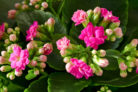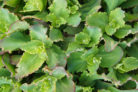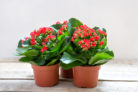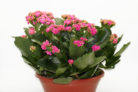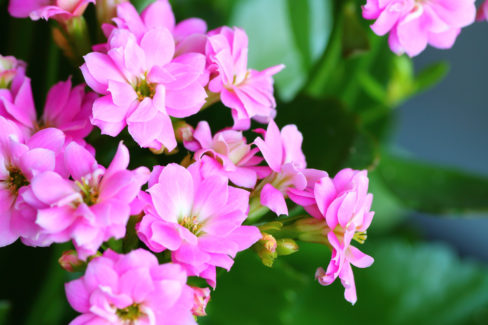
The Flaming Katy (or Kalanchoe) is one of those classic houseplants we all love. Most people treat these succulents like a one-and-done bouquet because getting them to rebloom can be a bit of a headache. But if you’re not ready to say goodbye to your leafy friend, why not grow some new ones? You can easily propagate your Kalanchoe using these three simple methods:
Method 1: Leaf Cuttings
Like most succulents, the Flaming Katy can be grown from just a single leaf. I’d recommend taking a few leaves at once, though, since not every single one is guaranteed to take root. Here’s how you do it:
- Snip off a few healthy leaves from your Kalanchoe.
- Let the cut ends dry out (callous over) for about 24 hours.
- Plant the leaves cut-side down into fresh cactus or succulent soil, about half an inch deep.
- If you don’t have succulent mix on hand, a 50/50 blend of potting soil and sand works great too.
- Place the pot in a warm, bright spot, but keep it out of direct, scorching sunlight.
In about three to six weeks, you’ll start to see tiny new shoots popping up. Once they’re established, you can move these little offsets into their own starter pots.
Method 2: Stem Cuttings
Propagating with stem cuttings is very similar to the leaf method, but it usually goes a bit faster. Instead of just a leaf, you’ll want to cut off a stem about four inches long that has a few leaves on it.
Follow the same steps as the leaf cuttings: let them dry, then plant. Once you see new growth sprouting from the nodes, your baby plant is ready to move into a larger decorative pot or even out to the garden if the weather is right.
Pro Tip: The best time to take your leaf or stem cuttings is in the spring, right before the next blooming phase begins.
Method 3: Growing from Seed
If you’ve got some patience and a green thumb, you can also grow Kalanchoe from store-bought seeds:
- Sow your fresh seeds between January and mid-March.
- Use cactus soil or a sand-soil mix to give them the drainage they need.
- Create a little “greenhouse effect” by placing a glass jar over the seeds or using a seed-starting tray with a lid.
- After about eight weeks, you can “prick out” the seedlings and move them to individual pots.
Just a heads-up: growing from seed takes a lot of time and can be a bit hit-or-miss. For most of us home gardeners, the first two methods are definitely the way to go!