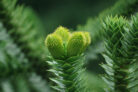
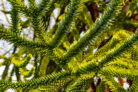
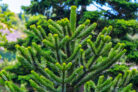
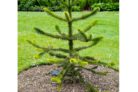
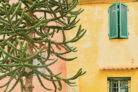
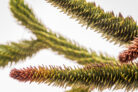
The Monkey Puzzle tree (scientifically known as the Araucaria) is a total showstopper for anyone looking to give their garden a unique, exotic vibe. But can this South American native actually handle life in a typical backyard? And what do you need to know about planting and winterizing one? Let’s dive in!
Can a Monkey Puzzle tree handle the climate?
Even though the Monkey Puzzle tree hails from South America, it’s surprisingly tough and handles the climate in many regions remarkably well. It is generally frost-hardy, though young saplings definitely need some extra TLC around their roots during the winter. In areas with particularly harsh winters, even the older, established trees appreciate a little protection.
Is the local climate good for the Monkey Puzzle tree?
Since the Monkey Puzzle tree is frost-hardy, it’s a great fit for many gardens. It really thrives in regions with relatively mild conditions. However, if you live in a colder area where the ground freezes frequently, don’t worry—you can still grow one in your garden or even in a large container. You’ll just want to be a bit more diligent with your “winter proofing” (check out question 5 for more on that).
How fast does a Monkey Puzzle tree grow?
Patience is key with this one! The Monkey Puzzle is a slow-growing, evergreen conifer. On average, you can expect it to grow about 8 inches (20 centimeters) per year. Some trees take it even slower, adding only a few inches of height annually.
How tall do they get?
In temperate climates, these trees can reach an impressive height of up to 65 feet (20 meters). They aren’t just visually striking; their sheer size makes them a true landmark in any landscape. Just remember, because they only grow about 8 inches a year, it’ll take a while to reach those heights. They also take their sweet time to bloom—it usually takes about 30 years before you’ll see the first flowers.
What should I keep in mind when planting one?
The Monkey Puzzle tree needs plenty of “elbow room” for its roots. When picking the perfect spot in your yard, look for a place that gets plenty of sun but is also a safe distance away from your patio, driveway, or garage. If you plant it too close, those powerful roots might eventually start lifting up your pavers or cracking the concrete!
To give your tree the best start, mix a little humus into the soil to provide the nutrients it craves.
How do I help my tree survive the winter?
Young trees are especially sensitive to the cold, so you’ll want to protect the root zone with a thick, insulating layer of mulch. If you’re facing a long deep freeze or an unusually brutal winter, these protective measures should be applied to older, well-established trees as well.
Quick Tip: Only fertilize container plants
For the most part, Monkey Puzzle trees do just fine without regular fertilizing once they’re in the ground. The big exception is if you’re growing yours in a pot. Since container plants stay in the same soil for a long time, they’ll need a nutrient boost every now and then. Your best bet is a slow-release fertilizer that provides a steady supply of “food” over time.