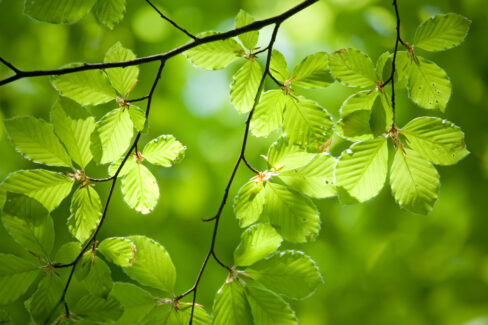
Beech trees, especially the European Beech, are absolute staples in the landscape. In fact, you’d be hard-pressed to find a more common deciduous tree in many forests. Some of its quirks are obvious the moment you look at it, while others require a little digging into the science (or a bit of reading!). Here are some of the most fascinating traits of the *Fagus* genus.
Wait, the “Red Beech” isn’t actually red?
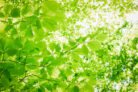
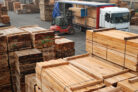
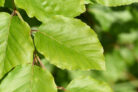
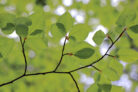
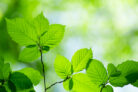
In many places, the standard European Beech is called the “Red Beech,” but don’t let the name fool you—its leaves are a lush, deep green all summer long. If you see a beech with dark purple or reddish foliage, you’re likely looking at a Copper Beech. So why the “Red” nickname? It actually refers to the slightly reddish tint of the wood, which is highly prized by furniture makers.
Pro Tip:
Did you know you can actually eat beech leaves? They’re surprisingly tasty! They have a refreshing, slightly tart flavor that makes a great addition to spring salads. Try to harvest them in April when they are at their most tender.
Fall is when the Beech really shines
While the soft green buds of spring and the deep shade of summer are lovely, the beech tree really steals the show in autumn. It’s like a little slice of the American “Indian Summer” right in your backyard. Depending on the variety, you’ll see two distinct color shows:
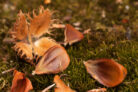
- The European Beech turns a brilliant glowing yellow-orange.
- The Copper Beech leans more toward a fiery reddish-orange.
The tree that keeps its “clothes” on in winter
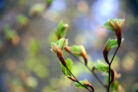
Every April, the beech pushes out new growth and flowers, weaving itself a fresh green canopy. But unlike many other deciduous trees that drop their leaves at the first sign of frost, the beech is a bit of a hoarder. The leaves turn brown and dry out, but many stay firmly attached to the branches until spring. This is exactly why beech hedges are so popular—they provide a great privacy screen even in the dead of winter.
A very distinctive trunk
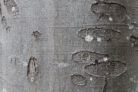
You can usually identify a beech tree just by looking at its “skin.” The bark goes through a pretty dramatic color change as it ages. When the tree is young, the bark is dark green, almost black. As it matures, it turns a beautiful, light silvery-gray. Even though these trees can grow to massive sizes and live for centuries, the bark stays thin and smooth. The trunk often shows “scars” where old branches used to be. Instead of peeling off in thick chunks or scales like an oak or pine, the bark eventually crumbles away into a fine gray dust.
Low maintenance, but loves a haircut
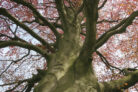
In a natural setting, beeches don’t need pruning—they just need plenty of room for their massive, spreading crowns! However, if you do need to take the shears to them, they are incredibly resilient and bounce back quickly with fresh growth. In fact, they handle pruning so well that they are a favorite for bonsai enthusiasts.
Young beeches are masters of patience
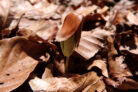
In the spring, you’ll often see a carpet of tiny seedlings under a massive mother tree. Because they are stuck in the deep shade of the canopy, these little guys eventually stop growing and just… wait. They can stay small for years, dreaming of their turn in the sun. If the mother tree eventually falls and light finally hits the forest floor, these “patient” saplings hit the turbo button and start growing like crazy.
Beechnuts: A little bit toxic, a lot of bit delicious
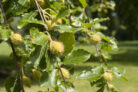
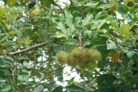
Every few years, in what’s known as a “mast year,” beech trees produce a massive crop of fruit. These little triangular nuts are called beechnuts. A word of caution: they are slightly toxic to humans if eaten raw. However, if you soak or roast them, they become incredibly versatile. You can use them as:
- A delicious crunchy snack
- A salad topping
- Ground into flour for cakes and cookies
- A coffee substitute