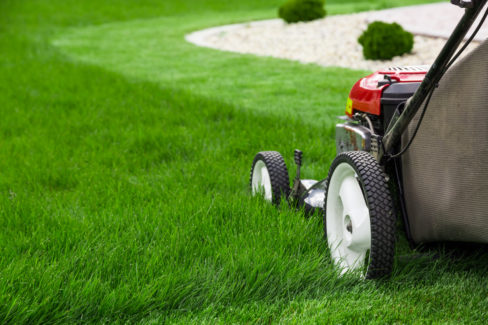
The hum of a lawn mower is basically the unofficial soundtrack of a Saturday afternoon. And let’s be honest—is there anything better than the smell of fresh-cut grass? For many of us, mowing isn’t just a chore; it’s a therapeutic part of homeownership.
Whether you find your “zen” pushing a mower across the yard or you prefer to kick back with a cold drink while a robot does the work for you, we all want the same thing: a great-looking lawn. But how do you get there? Whether you’re aiming for a casual backyard vibe or a pristine “English Garden” look, there’s a bit of a science to it. From choosing the right gear to mastering the timing, here’s everything you need to know about keeping your grass green and tidy.
When is the Best Time to Mow?
Finding the perfect time to mow comes down to two things:
- How fast the grass is growing (thanks to the weather).
- Being a good neighbor (noise levels and local etiquette).
Weather and Seasons
Just like your favorite garden plants, your lawn follows the rhythm of the seasons. Each time of year requires a slightly different approach.
Mowing in the Winter
Generally, you can keep the mower in the garage during the winter. It’s not necessarily that the cold kills the grass, but rather that growth slows to a crawl. Grass needs three things to thrive:
- Light
- Warmth
- Water
Since light and heat are in short supply during winter, the blades don’t grow much. However, they do gain a little height, which is why fall seeding is so effective. And obviously, if there’s snow on the ground, your mowing season is officially on pause!
Mowing in the Spring
As soon as the sun starts peeking out, the grass starts shooting up. Pro tip: It’s actually the *soil* temperature, not the air temperature, that matters. Growth really kicks into gear once the ground hits about 50°F (10°C). Before your first “cleanup cut,” make sure to:
- Rake up old leaves and debris.
- Reseed any bare patches left over from winter.
- Give the dry grass some fertilizer.
Mowing in the Summer
Summer brings plenty of light and heat, but often not enough water. To keep your lawn from turning into a hayfield, you’ll want to water regularly. Here are a few tips:
- Water early in the morning.
- Avoid midday watering (it just evaporates).
- Don’t water late at night (it can lead to fungus or rot).
- Use a sprinkler and move it around so you don’t get “swampy” spots.
- If the heat is extreme, give the mower a rest. Cutting grass too short during a heatwave is a one-way ticket to a brown, burnt lawn.
Mowing in the Fall
Fall is all about prep work. You want your yard to be ready for its winter nap so it wakes up healthy in the spring.
- Keep mowing at regular intervals.
- Avoid mowing if the grass is soaking wet.
- Stop mowing once the ground starts to freeze regularly; walking on frozen, cut grass can damage the roots.
- Aerating or dethatching in the fall helps the lawn breathe before winter sets in.
Most people find that growth slows down significantly by mid-October, and you can usually put the mower away for good by November.
Consistency is Key
How often should you mow? It depends on how fast your grass grows, but don’t wait too long. If the grass gets too high, weeds like dandelions and crabgrass take over, and it becomes a nightmare for your mower’s engine.
- Aim for once a week during the peak growing season.
- Every two weeks is usually fine in the heat of summer.
- The Golden Rule: Never cut off more than one-third of the grass blade at a time. If the lawn got away from you, take it down in stages rather than scalping it.
Mowing After Seeding
If you’ve just put down new seed, be patient! If you mow too early, the weak roots will just get pulled right out of the ground. Wait until the grass reaches these heights before the first cut:
- Standard lawn: 3 inches
- Ornamental/Fine grass: 3.5 inches
- Shady mix: 4 inches
Being a Good Neighbor
We all love a nice yard, but nobody loves a 7:00 AM wake-up call from a gas engine.
- Avoid mowing too early in the morning or too late at night.
- Check local ordinances; many places have “quiet hours” (like Sundays or midday breaks).
- If you have a robot mower, these are usually quiet enough to run almost anytime!
Choosing Your Mower
You can’t have a great lawn without the right tools. Here’s a breakdown of the most common types:
Mower Models
- Gas Mowers: The classic choice. They’re powerful and great for large yards, but they’re loud and require oil changes and gas runs.
- Electric (Corded) Mowers: Quiet and eco-friendly, but you’re literally on a leash. Best for small, simple yards.
- Battery (Cordless) Mowers: The best of both worlds. Quiet, no exhaust, and no cord. The only downside is the battery life—usually best for yards under 1/4 acre.
- Robot Mowers: The “set it and forget it” option. They’re expensive, but they save you hours of work every week.
- Reel Mowers (Manual): No motor, just you and the blades. Great for tiny yards and a workout, but they struggle with tall grass.
- Riding Mowers/Tractors: If you have a massive property, these are a lifesaver. They’re fast and powerful but pricey to maintain.
What Should You Spend?
You get what you pay for, but you don’t always need the top-of-the-line model. A decent manual reel mower might start around $80–$100, while a high-end robot mower can easily clear $1,000+. Consider your yard size and how much you value your time before pulling the trigger.
Buying Tips
Ask yourself:
- How big is my yard?
- Do I have a lot of hills or tight corners?
- Do I want to mulch (leave clippings on the lawn) or bag them?
- Is there a power outlet nearby, or do I need gas/battery?
Extra Pro-Tips
To Mulch or Not to Mulch?
Mulching is when you mow without a bag, letting the tiny grass clippings fall back into the lawn. This is actually great for your grass! It acts as a natural, free fertilizer, returning nutrients to the soil.
Post-Mow Care: Dethatching
Every once in a while (usually in the spring), it’s a good idea to “dethatch” or verticut your lawn. This thins out the dead organic matter so water and air can reach the roots. Do this *before* you fertilize for the best results.
Safety First
- Wet Grass: Be careful with electric mowers in the rain—water and electricity don’t mix! Plus, wet grass clumps up and makes a mess of your mower blades.
- Kids & Pets: Keep them inside while mowing. Robot mowers are cool, but they don’t always “see” a sleeping dog or a stray toy.
- The “Bee” Factor: If you have clover in your lawn, watch out for bees! They love the flowers, but they aren’t fans of mowers.
Did you know that mowing the lawn for an hour can burn about 400 calories? It’s basically a gym membership that makes your house look better. Happy mowing!
FAQs
Why does my grass look “frayed” after I mow?
Your blades are probably dull. Dull blades tear the grass instead of cutting it, which can lead to disease. Get them sharpened once a season!
Does the “Moon Calendar” actually work for mowing?
Some folks swear by mowing during certain moon phases to slow growth or thicken the roots. Whether it’s science or folklore, if it gets you outside and enjoying your garden, go for it!
Can I have a beautiful garden without a lawn?
Absolutely! “No-mow” yards, wildflower meadows, and clover lawns are becoming super popular. Sometimes, letting nature do its thing is the best look of all.