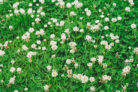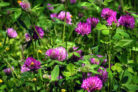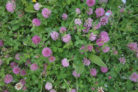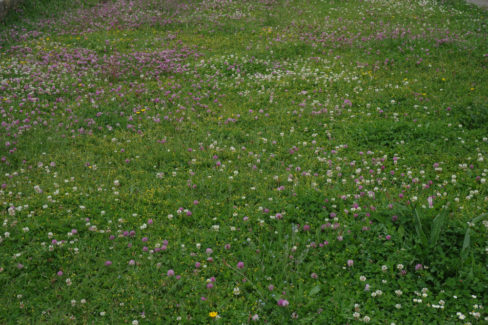
Some folks love the pop of pink that red clover brings to the yard, while others see it as a total nuisance. If you’re in the “it’s a weed” camp, you might be wondering if there’s an eco-friendly way to kick it to the curb. My guide will give you the lowdown on how to get rid of this stubborn grower quickly and sustainably.
Is Red Clover Actually a Weed?
Don’t let its delicate look fool you—red clover is a lot tougher than it looks. While the leaves only sit a few inches above the ground, the plant develops a massive taproot that anchors itself deep into the soil. It spreads two ways: by dropping seeds and by stretching out those roots.
If you don’t stay on top of it, red clover will take over your garden before you know it. Even root barriers don’t always do the trick. The real headache? Those tiny little root filaments. Even though they’re thin as a thread, they are incredibly hardy and can sprout a whole new plant if left behind.
How to Get Red Clover Out of Your Lawn
Getting rid of stubborn red clover takes some elbow grease, but it’s doable. Here are the best ways to handle it:
Keep Mowing
Red clover doesn’t just spread through its roots; it also produces seeds that catch a ride on the wind. You’ve got to beat the plant at its own game. Make sure to mow your lawn regularly to lop off the blossoms before they go to seed. This stops the next generation from moving in.
Dig It Out
If red clover has invaded your flower beds, there’s no way around it: you’ve got to dig. You’ll need to go deep to make sure you pull up the entire taproot. Once the main plant is out, I recommend sifting through the soil to catch any of those tiny root strands that might be hiding.
Dethatch and Aerate
Luckily, your grass can actually help you out if you give it a little boost. By dethatching (verticutting) your lawn in the spring, you encourage the grass to grow thick and lush. Healthy, tall grass will eventually shade out and crowd out the clover. If you still see patches of clover, dig them out individually and, again, try to clear any root bits from the soil.
Skip the Chemicals
We all know that harsh chemical pesticides aren’t great for the environment, but they’re a particularly bad idea when dealing with red clover. As annoying as this plant can be for your landscaping, it’s a goldmine of nectar for bees and other pollinators. Using toxic sprays can seriously harm the “good bugs” in your garden. Stick to the manual methods—your local ecosystem will thank you!