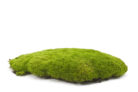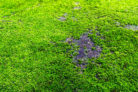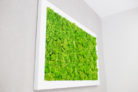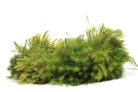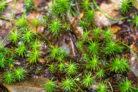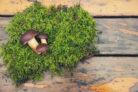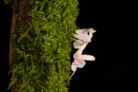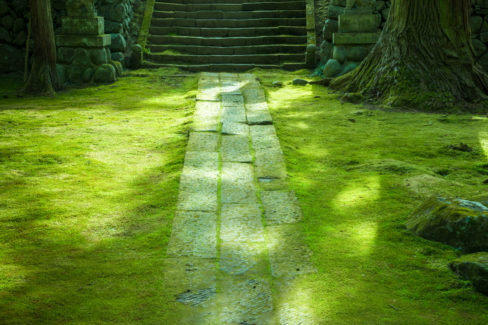
Gone are the days when moss was dismissed as just another weed! More and more home gardeners are intentionally embracing these lush green carpets. Not only does moss look stunning, but it’s also a total powerhouse for your local ecosystem. The best part? It’s incredibly versatile and often grows all on its own if you give it the right spot.
Moss and the Ecosystem
Different types of moss do some heavy lifting for Mother Nature. They act as natural air filters for pollutants and provide a cozy home and food source for all sorts of beneficial insects and tiny critters. In the wild, you’ll mostly find moss in forests, meadows, and along stream banks. But bringing it into your own backyard is about way more than just aesthetics.
Ways to Grow Moss in Your Garden
If you’re looking to add some green to your yard, moss is a fantastic choice because of its unique growth habits. Depending on your space, there are a few different ways to cultivate it. Moss works particularly well:
- As a lawn alternative,
- Tucked into garden beds,
- And growing directly on stones or walls.
Letting Moss Take Over the Lawn
If you’re struggling to keep your grass looking good, why not just let the moss take over? It thrives in those shady, damp spots where traditional grass usually puts up a fight. It’s a great way to get a low-maintenance, velvety green look without the constant mowing.
Growing Moss in Garden Beds
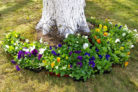
One of the coolest things about moss is that it can grow in places where other plants just won’t survive. Because it’s relatively low-maintenance, it’s perfect for covering those “problem areas” in your yard. It also makes for a gorgeous, living groundcover in your flower beds.
If you want to get moss started in a garden bed, here are a few tips:
- Prep the area with a base of leaf compost or acidic potting soil mixed with sand, then firm it down with a lawn roller.
- Place small clumps of moss about four inches apart and press them gently into the soil.
- The most important step? Keep it consistently watered while it gets established!
Growing Moss on Stones and Walls
Since moss uses tiny hair-like structures instead of traditional roots, it can cling to all sorts of surfaces. Stones and stone walls are perfect candidates because of their uneven texture. The key here is location, location, location. You’ll want to avoid placing your stones in direct, scorching sunlight—shady, slightly damp spots are where moss really shines.