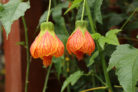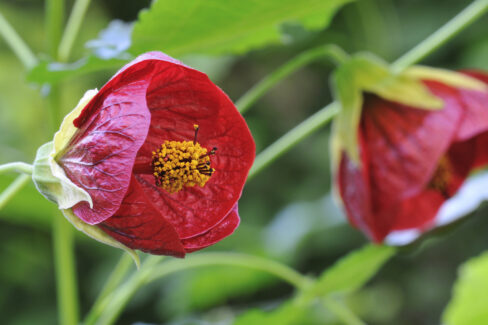
Flowering Maples (Abutilon) are definitely not fans of the cold. In fact, once temperatures dip below 60°F (18°C), they might stop growing or blooming altogether. Since they can’t handle a frost, finding them a cozy spot indoors for the winter is a must.
Flowering Maples aren’t winter-hardy
Flowering Maples are happiest when it’s around 65°F (18°C). If it gets much cooler than that, they tend to go dormant and stop showing off those beautiful blooms. Most importantly, you can’t leave them outside when temperatures approach freezing. These plants are not winter-hardy at all and will unfortunately freeze to death very quickly if left in the cold.
Finding the perfect winter spot
To keep your plant happy, move it to a protected indoor spot for the winter. Ideally, you’re looking for a room that stays between 55°F and 60°F (12–16°C). Make sure it’s a bright spot, too—if it’s too dark, your Flowering Maple will start dropping its leaves. Great options include:
- A cool guest bedroom
- A bright hallway or entryway
- A finished, temperature-controlled basement
- A lightly heated sunroom or conservatory
Prepping for the move
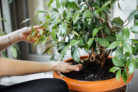
You’ll want to ease your plant into its winter nap. Start by cutting back on fertilizer and watering more sparingly. Prune away any dead or old branches, then bring the pot into its new winter home.
Winter care tips
Even though it’s resting, your Flowering Maple still needs a little drink now and then. Make sure the root ball never dries out completely. However, be careful not to overwater—soggy soil is a recipe for root rot and mold. Skip the fertilizer during these months, but do keep a close eye out for any sneaky pests or signs of disease.
Indoor plants need a break, too
If you grow your Flowering Maple as a houseplant year-round, it still benefits from a “winter break” in a cooler room. This cooler phase triggers a natural dormancy period, allowing the plant to save up its energy so it can come back even stronger with fresh growth in the spring.
Moving back outside
Once the weather warms up consistently, you can move your plant back outdoors. Just take it slow! Avoid sudden temperature swings or moving it directly into harsh sun. Give it a little time to acclimate to the outdoor air again, and it’ll thank you with plenty of new growth.