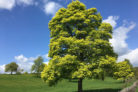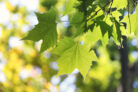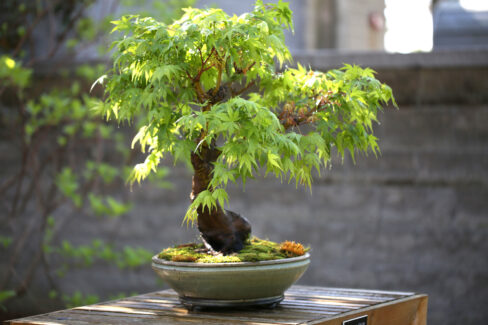
With its rugged charm and stunning foliage, the Sycamore Maple is a fantastic candidate for bonsai enthusiasts. It’s pretty cool to think you can take a towering forest giant and cultivate it to the size of a houseplant! Here’s the lowdown on how to get started, where to place your tree, and how to keep it thriving.
How to Start Your Sycamore Maple Bonsai
If you’re starting from a tiny seed, you’re going to need a lot of patience—it takes several years to get a workable trunk. If you’re like me and want to jump straight into the fun part, I recommend buying a young tree that’s already about six feet tall. That gives you a great foundation to start shaping.
Here’s how to transform that nursery tree into a bonsai:
- Pick a healthy specimen with a strong, vigorous root system.
- Grab a sharp saw and make sure to disinfect it first to keep the tree healthy.
- Prune the main trunk down to about 20 inches.
- Move your maple into a proper bonsai pot.
- Trim back the branches and use bonsai wire to start guiding them into your desired shape.
Once potted, find a bright spot for your tree so it can soak up plenty of sunlight. Keep a close eye on the soil and water regularly. After a little while, you’ll want to add some fertilizer to your watering routine. Remember, since the tree is in a small container, it can’t pull nutrients from the earth like it would if it were planted out in the yard.
Caring for Your Sycamore Maple Bonsai
The good news is that these maples aren’t too picky—standard tap water usually works just fine. During the hot summer months, make sure your tree stays well-hydrated, but be careful not to let it sit in soggy soil. Standing water is a recipe for root rot and other diseases. Your best bet is to give it a moderate drink every day; using a specialized bonsai watering can or mister helps distribute the water evenly.
Once the leaves drop in the fall, you’ve got a window until December to do your structural pruning. This is a yearly “must” for bonsai! If you skip it, the tree will quickly revert to its natural annual growth rate, and you’ll lose that beautiful, compact shape you worked so hard for. Then, when spring rolls around and the new shoots appear, you can get back in there with your wire to fine-tune the look.