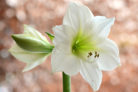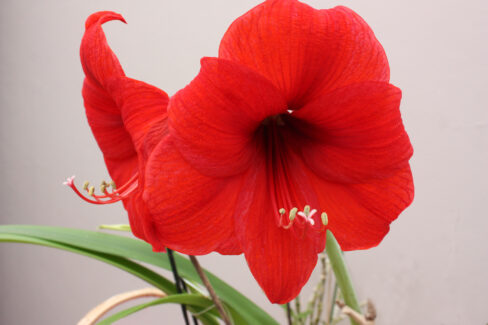
The Amaryllis (or *Hippeastrum*, if you want to get fancy!) is a tropical native, which means it follows a growth cycle dictated by wet and dry seasons. Unlike most of your other houseplants that take a break in the winter, the Amaryllis actually shows off its stunning blooms between December and February. To get those gorgeous flowers, the plant needs a “nap” (its dormancy period) from August through late November.
The Dormancy Phase: August to December
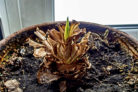
Starting in August, you’ll want to gradually cut back on watering and stop fertilizing altogether. Once the leaves start to yellow and wither, you can gently trim them off. By September, it’s time for the bulb to head into storage—you can either take the bulb out of the pot or just move the whole pot into its winter quarters. Let your Amaryllis rest there until the end of November.
Finding the Perfect Winter Spot: Dark and Chilly
To make sure your Amaryllis wakes up ready to bloom its heart out in December, you need to give it the right environment.
Here’s what the perfect winter home looks like:
- A cool, dark spot (a basement or a dark closet is usually perfect).
- Temperatures should stay between 50°F and 60°F (10–15°C).
- No food or water! Just leave it alone during this rest period.
These dry, cool conditions allow the bulb to recharge its batteries and gather the energy it needs for the next flowering season.
Waking Up Your Amaryllis
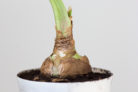
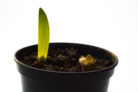
As November winds down, it’s time to end the siesta. Bring your Amaryllis out of storage and give the bulb a quick check-up. Are roots poking out of the bottom? Does it look like it’s outgrown its home? If so, repot it in fresh soil. Move the plant to a bright, warm spot at room temperature—a sunny windowsill is the “prime real estate” here! After about three or four weeks, you can start watering moderately again. Before you know it, the blooming season will begin.
Pro Tips
When you’re repotting at the end of the dormant phase, keep an eye out for “offsets” or baby bulbs. A happy, well-cared-for Amaryllis will often produce these little clones. Once they reach about an inch (3 cm) in diameter, you can carefully detach them. Pot them up in a mix of potting soil and cactus mix, and just like that—you’ve got a brand-new Amaryllis to add to your collection!