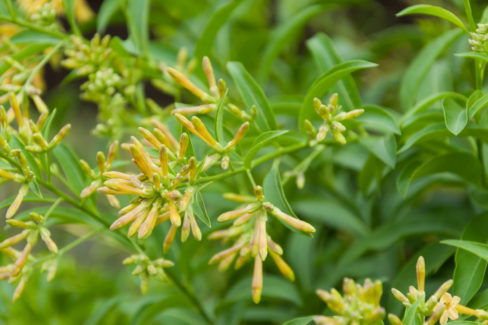
The Red Cestrum (botanical name *Cestrum purpureum*) is a stunning Mexican native that brings a serious tropical vibe to any space. While this member of the nightshade family is a total showstopper, there are two things you need to know right off the bat: it’s toxic if ingested, and it definitely doesn’t like the cold. If you want to keep yours thriving, here is everything you need to know about getting your Cestrum through the winter.
How much frost can Red Cestrum handle?
The short answer? None at all. At most, it can tolerate temperatures just barely above freezing for a very short window. Because of this, it’s not a great candidate for planting directly in the ground if you live in a climate with four seasons. Instead, treat it as a container plant. It’s perfect for adding a pop of color to your patio or balcony in the summer, or as a permanent resident in a sunroom or conservatory.
What are the ideal winter conditions?
Since the Red Cestrum is an evergreen, it doesn’t go fully dormant—it needs plenty of light all year round. If you tuck it away in a dark corner for too long, it’ll start dropping its leaves in protest. Aim for a winter temperature between 50°F and 60°F (10°C to 15°C). If you’re unsure, it’s better to keep it a little on the warmer side rather than letting it get too chilly.
The best spots for overwintering are a heated glass greenhouse or a bright, unheated sunroom. Keep an eye on the humidity, too. If the air is too damp, you might run into mold issues; if it’s too dry, you’re basically rolling out the red carpet for pests like spider mites and aphids.
You can start prepping your plant for its winter nap as early as September. Gradually scale back on the fertilizer until you stop completely by October. You’ll still need to water it during the winter, just not nearly as often as you did during the peak growing season in the spring and summer.
When can it go back outside?
Once spring rolls around, give your Cestrum a fresh start by pruning it back and repotting it if needed. On those first warm, sunny days, feel free to let it get some fresh air for a few hours. However, don’t move it back to the patio permanently until the danger of frost has completely passed (usually after the “Ice Saints” in mid-May).
Quick Summary:
- Not frost-hardy.
- Can only tolerate temps just above freezing for very short periods.
- Needs a bright winter spot between 50°F and 60°F.
- Ideal locations: A frost-free greenhouse or a cool, bright sunroom.
- Pruning is recommended after the winter break.
Pro Tip: Make sure to check your plant regularly for pests or diseases during the winter months—catching issues early makes all the difference!