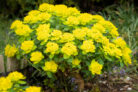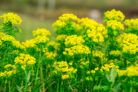
Plants in the “Euphorbia” family are real showstoppers, and they come with some pretty whimsical names to match. But before you get too swept away by names like “Diamond Frost” or “Magic Snow,” there are a few things you should know. Let’s dive into why those names can be a bit misleading when the temperature starts to drop!
How hardy are Euphorbias, really?
With over 2,000 different species under the Euphorbia umbrella (commonly known as spurges), it’s tough to make a blanket statement about frost tolerance or general care. My best advice? Always double-check the specific variety you’re bringing home. Since these plants hail from all corners of the globe, their reaction to cold varies wildly. Some tropical varieties start pouting as soon as it hits 50°F, while others are tough enough to handle deep freezes well below zero.
Don’t let “Diamond Frost” fool you
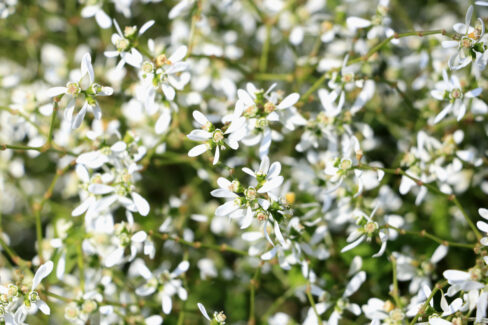
Don’t let the names “Magic Snow” or “Diamond Frost” give you the wrong idea. Those names actually describe the plant’s explosion of tiny, delicate white flowers—they aren’t a hint that the plant loves actual snow! In reality, these beauties won’t survive a winter outdoors in most climates. That’s why you’ll usually see them sold as annuals at your local garden center.
You’ll have to decide if you want to buy a fresh plant next spring or try to overwinter your current one. If you do choose to keep it, bring it inside sooner rather than later. Even a light first frost can do some serious damage.
Tips for successful overwintering
If you want to keep your Euphorbia going, aim for a room temperature around 45°F. “Diamond Frost” can handle it a bit warmer, but if you keep it in a toastier spot, make sure you don’t let it dry out. Before moving it inside, it’s a good idea to give it a quick trim. Just a heads-up: always wear gloves! The milky sap is toxic and can really irritate your skin.
Here’s a quick checklist for your plant’s winter home:
- Keep it away from chilly drafts.
- Find a bright spot, but avoid harsh, direct sunlight.
- Aim for a temperature between 45°F and 60°F.
- Keep the soil moist enough so it doesn’t completely dry out.
- Keep an eye out for spider mites—they love to move in during the winter months!