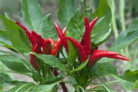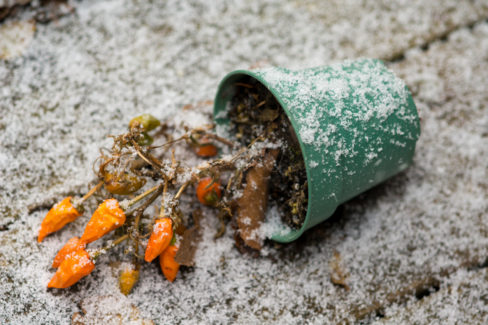
Most of us treat chili peppers like annuals because they can’t stand the frost. But here’s a little secret: in their native South American habitats, these plants are actually perennials! With a few pro tips, you can keep your favorite potted peppers going for years. Here is everything you need to know about overwintering your chili plants the right way.
Bring Your Peppers Inside Early
Once the thermometer starts dipping below 50°F (10°C), it’s time to pack it in. No matter which chili variety you’re growing, they all share a deep dislike for the cold. That said, don’t rush them inside at the first sign of autumn; letting them experience those cooler (but not freezing) days helps toughen up their “immune system” for the winter ahead. I recommend keeping a min-max thermometer near your plants so you know exactly when it’s time to move.
Pruning Before the Big Move
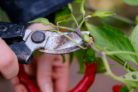
Giving your peppers a good haircut before bringing them indoors tells the plant to stop wasting energy on new growth and focus on survival. You’ll want a sharp, sanitized pair of bypass pruners to ensure clean cuts that heal quickly. Here’s the game plan:
- First, clear out all remaining flowers, buds, and fruit.
- Cut the stems back by a third or even a half (aim for at least 2–4 inches of growth removed).
- Make your cuts just a few millimeters above a leaf node or bud.
How much you prune is really up to you, but at the very least, leave a main stem with a Y-shaped frame and two or three buds on each branch. This skeleton is what the plant will use to bounce back next spring.
Finding the Perfect Winter Home
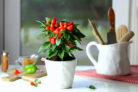
To keep your chilies happy indoors, you need to mimic their preferred “dormancy” conditions. They aren’t looking for a tropical vacation; they just want to stay cozy. Here’s the sweet spot for light and temp:
- Light: Bright to partial shade, but avoid harsh, direct winter sun.
- Temperature: Between 55°F and 65°F (12°–18°C). Try not to let it drop below 50°F or climb above 70°F.
Great spots include a greenhouse, a sunroom, a glass-enclosed porch, or even a cool hallway or guest bedroom.
Low-Maintenance Winter Care
Since the plant is resting, your “green thumb” duties are pretty light. Here’s how to manage your winter maintenance:
- Stop fertilizing entirely.
- Water sparingly—just a small sip when the soil feels dry.
- Occasionally mist the leaves with room-temperature, filtered water to keep humidity up.
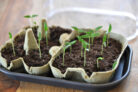
By the second half of February, it’s time to wake them up! Repot your chili into fresh soil and trim back any weak or leggy stems. Start watering more regularly as you see new growth appear. About four to six weeks after repotting, the nutrients in the new soil will be spent, and you can start fertilizing again as usual.