The *Euphorbia* genus is home to a huge variety of plants, often collectively known as spurges. These exotic beauties are famous for being low-maintenance, which makes them a total hit with indoor gardeners. However, when it comes to pruning, there are a few things you should keep in mind before you start snipping.
Pruning Your Euphorbia
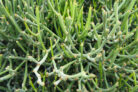
Most Euphorbias are known for their slow, compact growth, so you usually don’t need to prune them just to save space. For example, the Pencil Cactus (Euphorbia tirucalli) “only” reaches about 8 feet. Another popular houseplant in this family is the African Milk Tree (Euphorbia trigona). In this case, pruning is a great way to shape the plant. While it naturally likes to grow straight up, a quick trim can encourage it to branch out and get bushier. Just make sure to do this right before its most active growing season.
When is Pruning Necessary?
Pruning isn’t just about looks; sometimes it’s a plant’s last hope. If your plant is showing signs of disease, a bold cut can often stop the problem from spreading. This is especially true for Euphorbias. If you notice any rotting spots on your African Milk Tree, for instance, you’ve got to act fast. Cut away the affected areas immediately to save the rest of the plant.
What About Cuttings?
The best part about pruning is that you can use those trimmings to grow new plants! Always use a clean, sharp tool—like a pair of bypass pruners—to get a clean cut. Make sure your cuttings aren’t too short, and try to cut just below a leaf node, as this is where roots are most likely to sprout.
The “aftercare” for cuttings depends on the variety. For Poinsettias, you should dip the ends in warm water to help the toxic milky sap coagulate. If you’re propagating a Pencil Cactus, let the cuttings dry out for about two days to callouse over before tucking them into the right potting mix.
Pruning Euphorbia: The Quick Recap
- Generally, pruning isn’t strictly necessary.
- Most spurges grow slowly and stay fairly compact.
- You can prune to encourage a bushier, branched-out look.
- A “rescue cut” is often the only way to save a diseased plant.
- Pruning is the perfect time to harvest cuttings for new plants.