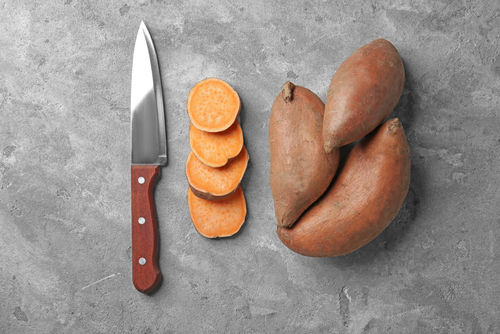
Despite what the name suggests, your everyday potato and the sweet potato aren’t actually related. And when it comes to prep, what works for one doesn’t necessarily apply to the other! If you’re reaching for the peeler the second you grab a sweet potato, you might want to hit the brakes.
A Healthy Peel Without the Toxins
Standard potatoes are part of the nightshade family, which means they produce a toxic substance called solanin in and under their skin. Sweet potatoes, however, are part of the morning glory family. Instead of toxins, their skin offers up something called Caiapo, which is actually great for you.
If you’re keeping an eye on your blood pressure, eating the skin is a smart move. Caiapo is also linked to lowering the risk of diabetes. Plus, keeping the skin on has two other major perks:
- It saves you a ton of prep time.
- It helps lock in the flavor and nutrients during cooking.
Reasons You Might Still Want to Peel
At the end of the day, cooking is all about personal taste. If you just don’t like the texture of the skin, go ahead and peel it! There are a few other times when peeling makes sense:
- Hygiene preferences.
- A “gritty” or sandy taste if they weren’t cleaned well enough.
- Concerns about pesticides on conventionally grown (non-organic) potatoes.
- Specific recipes that call for a perfectly smooth texture.
Quality Check: To Peel or Not to Peel?
When you’re at the grocery store or farmers market, look for the best of the bunch. The skin is actually a great indicator of freshness. Look for:
- Intact, undamaged skin.
- No visible soft spots or bruising.
- No signs of mold or a musty smell.
- Smooth, firm skin without any sprouts (eyes).
If you’ve had some sitting in your pantry for a while, give them a quick inspection. You can usually just cut away small damaged spots. However, if the potato is shriveled or has lots of sprouts, it’s better to toss it.
How to Peel Sweet Potatoes the Right Way
If you’ve decided to ditch the skin, it’s a quick and easy process. Here’s the best way to do it:
- First, give them a good scrub. Since sweet potatoes can be bumpy, use a vegetable brush to get all that hidden dirt out of the nooks and crannies.
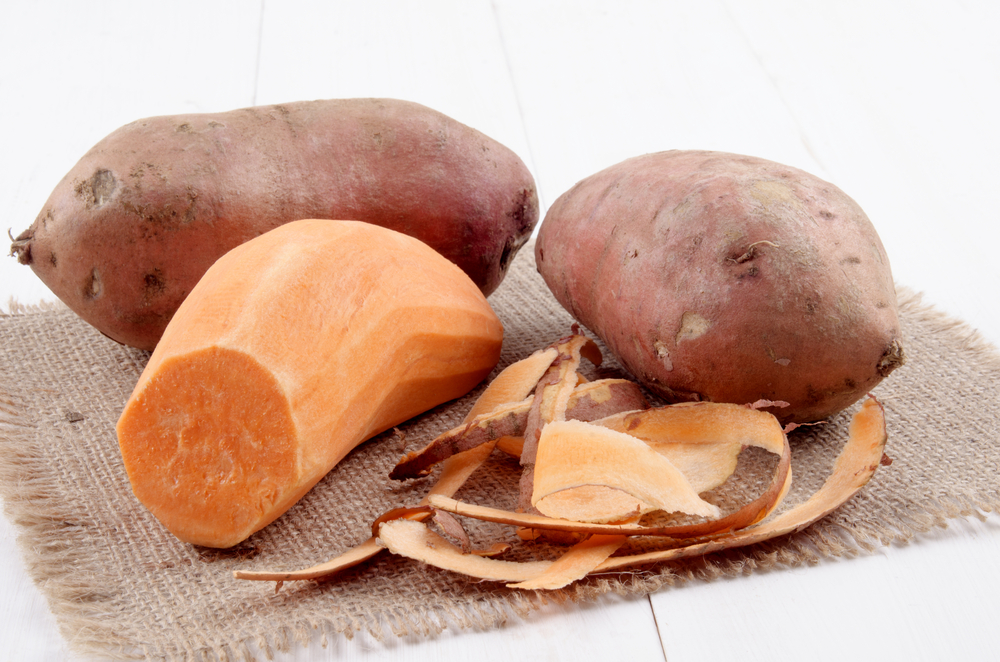
- Use a Y-peeler or swivel peeler to remove the skin strip by strip.
- Use a sharp paring knife to touch up any spots the peeler missed.
- Trim off both ends of the potato—they can sometimes have a bitter taste.
The “Boil First” Method
Whenever possible, try peeling your sweet potatoes *after* they’re cooked. This helps keep all those vitamins right where they belong—in your food!
- Scrub the raw potatoes thoroughly with a vegetable brush.
- Boil them whole for about 20 to 30 minutes, depending on the size.
- Do a “fork test” to make sure they’re tender all the way through.
- Drain the hot water and let them cool down for a few minutes.
- Once they’re cool enough to handle, the skin should slip right off with the help of a small knife.
Baking Them Whole
Baked sweet potatoes are a total crowd-pleaser and require almost zero effort. You definitely want to keep the skin on for these! To speed up the baking time, you can slice them in half or into quarters.
Once they’re soft and caramelized, you can scoop the flesh right out of the skin with a spoon.
Quick Summary for Busy Gardeners:
- Nutrients: The skin contains healthy Caiapo; no need to peel if you don’t want to!
- Quality Matters: Stick to organic if eating the skin; avoid bruised, sprouted, or moldy tubers.
- Taste: If you don’t like the skin, peel it—it’s your dinner!
- Cleaning: Always scrub under running water with a brush before prep.
- Peeling: Use a vegetable peeler for thin layers and a knife for the details.
- The Ends: Trim the tips off as they can be bitter.
- Pro Tip: Peel after boiling to preserve the most nutrients.
- Baking: Leave the skin on and scoop out the goodness once it’s tender.