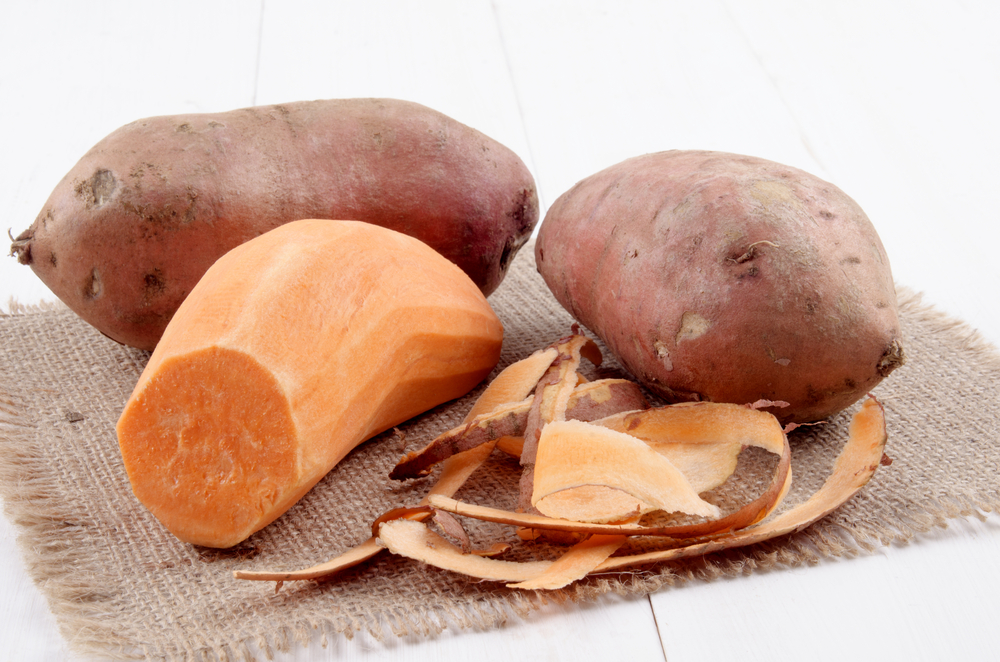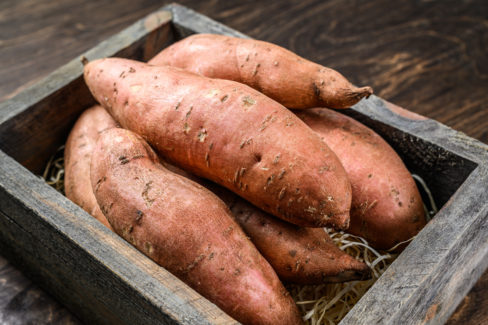
Sweet potatoes are tropical beauties originally from South America, which means they are total divas when it comes to the cold. Even a light frost will turn them to mush instantly. But don’t worry! You don’t have to buy new ones every year. With a little know-how, you can easily overwinter your sweet potatoes and get a head start on next season.
Overwintering with Cuttings
You don’t actually need to save the entire massive plant. This is true whether you’re growing them for food or using them as a ornamental plant on your balcony. Some ornamental varieties are bred specifically for their gorgeous foliage rather than their tubers, and these are perfect candidates for cuttings.
You can take cuttings from both ornamental and edible varieties in the fall. Just don’t wait too long—once the first frost hits, those vines are toast. I find that September is usually the sweet spot for taking your snips.
Simply cut off a few healthy vines about 8 inches long. Pop them into a glass of fresh water, and you’ll see roots sprouting in just a few days. Usually, they’re ready to be potted up within a week! Use a potting mix that isn’t too heavy on nutrients—a blend of seed-starting mix and standard potting soil works great. Keep your “baby” plants in a bright spot at about 50-60°F (10-15°C) throughout the winter.
Overwintering the Tubers
If you don’t have the space for indoor plants all winter, you can simply store the tubers instead. While sweet potatoes stay fresh in the kitchen for a few weeks for eating, they’ll eventually start to shrivel if left in a warm room for months. They can still be used for propagation even if they look a bit wrinkly, but there’s a better way.
The pro move is to store your tubers in a cool, dark place. Then, around February, you can start sprouting the rhizomes to get them going again. You can either stick them halfway into a jar of water or plant them directly in a pot of soil. Once those little sprouts (called “slips”) grow out, you can snap them off the mother tuber and give them their own individual pots.
Since these spring shoots are ready to grow fast, you can use a slightly richer potting soil than you would for fall cuttings. Just remember: wait until the danger of frost has completely passed (usually mid-May) before moving your sweet potatoes back outside!