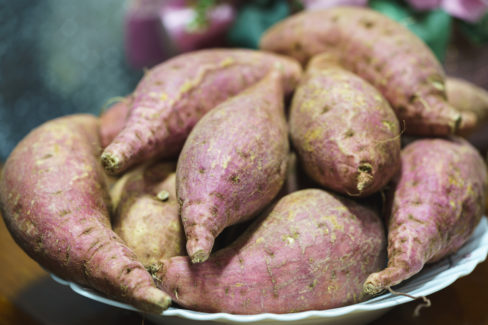
One of the best things about growing sweet potatoes is just how easy they are to store. Unlike some garden veggies that need to be canned or frozen immediately, sweet potatoes are perfectly happy hanging out in a warm apartment for a while. If you treat them right, they’ll stay fresh for months—and you can even use them to start your new crop come springtime!
Harvesting Your Sweet Potatoes
The big harvest happens in the fall. My best advice? Wait as long as you possibly can before digging up those tubers so they have plenty of time to fully mature. Just make sure you get them out of the ground before the first frost hits, because these tropical beauties absolutely hate the cold.
When you’re digging, try to be as gentle as possible. Sweet potatoes are part of the morning glory family, and if you nick the skin, you’ll see a milky sap leak out. Those damaged spots are like an open door for rot, so handle them with care!
Storage Actually Improves the Flavor
Even if you’re dying to cook up a batch of sweet potato fries right away, it’s actually better to let them sit for a few days first. Keep them in a dry spot to let them “cure.” This helps them lose a little moisture, which really concentrates and intensifies that sweet flavor we all love. Pro tip: Don’t wash them yet! Wait to scrub off the dirt until right before you’re ready to hop in the kitchen.
If you’re just keeping them in the kitchen for a few weeks, tuck them into a cardboard box lined with some newspaper and cover the top. Since kitchens tend to be warm, keeping them dark like this helps prevent them from sprouting too early.
Long-Term Storage
If you’re looking to keep your harvest going all winter, you’ll need a specific setup. Ideally, you want a cool, frost-free spot around 50°F (10°C). A basement works great, but any cool room will do.
The secret to long-term success is packing them in sand. Every now and then, give the sand a tiny bit of moisture—it should be barely damp, never soaking wet. If it gets too wet, they’ll start to sprout. While you can definitely use sweet potato sprouts to grow new plants, you don’t want them growing on the ones you plan to eat, as it can make the tuber taste a bit “off.”
Propagating via Cuttings
A common mistake people make is trying to plant a whole sweet potato in the ground like a regular potato. It doesn’t quite work that way! To grow new ones, you actually need to plant the rooted shoots (often called “slips”), which will then grow their own brand-new tubers.
To get these starts, you can take cuttings in the fall or wait for your sweet potatoes to sprout in the spring. To encourage sprouts, just set a tuber in a jar of water with the top half poking out.
You can also plant the tuber directly in a pot of soil. Once you see several shoots popping up, gently dig it up, snip off the shoots to plant, and put the main tuber back in the dirt to grow even more!