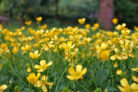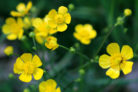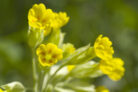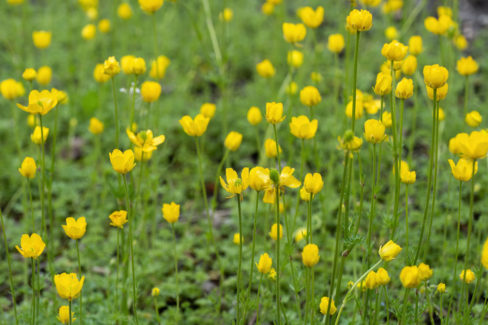
Is your buttercup taking its sweet time to bloom? Don’t panic! You might just have a different variety than you thought. These beautiful ornamental plants actually have a pretty wide range of blooming schedules depending on the specific species. In this post, I’ll break down exactly when you can expect those golden petals to make an appearance in your garden.
A Delicate Bloom with a Bit of a Reputation
Most of us know the Ranunculus species by its common name: the buttercup. You’ll often spot them hanging out in damp meadows or moist soil, but they’re also big fans of moving into our home flower beds. Because they can spread pretty aggressively if left to their own devices, some gardeners label them as “weeds.” Personally, I think that’s a bit harsh—unlike your average weed, these delicate, glossy golden flowers really bring some serious curb appeal.
One quick heads-up, though: keep an eye on the kiddos. With a name like “buttercup,” little ones might be tempted to see if they actually taste like butter. Unfortunately, they definitely don’t—the entire plant is toxic if eaten, and that goes for your furry friends (pets and livestock) too.
Who actually loves these blooms?
While they aren’t great for mammals, pollinators absolutely adore them! Buttercups are a fantastic source of nectar. If you can keep them under control, they’re a wonderful addition to a pollinator-friendly backyard.
How long do the flowers last?
One of the best things about buttercups is that they have a surprisingly long blooming season. The “Tall Buttercup” (Ranunculus acris) is the MVP here—its golden flowers can stick around all the way into October. As the older flowers fade, new buds keep popping up right through the fall.
Pro Tip: If you want that sunny yellow color in your garden all season long, your best bet is to plant a few different varieties with overlapping bloom times.
Bloom Times by Variety
- Tall Buttercup (Scharfer Hahnenfuß): May to October
- Creeping Buttercup (Kriechender Hahnenfuß): May to August
- Bulbous Buttercup (Knolliger Hahnenfuß): May to August
- Goldilocks Buttercup (Goldhahnenfuß): May to June
- Celery-leaved Buttercup (Gifthahnenfuß): June to September
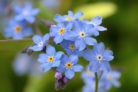
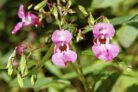
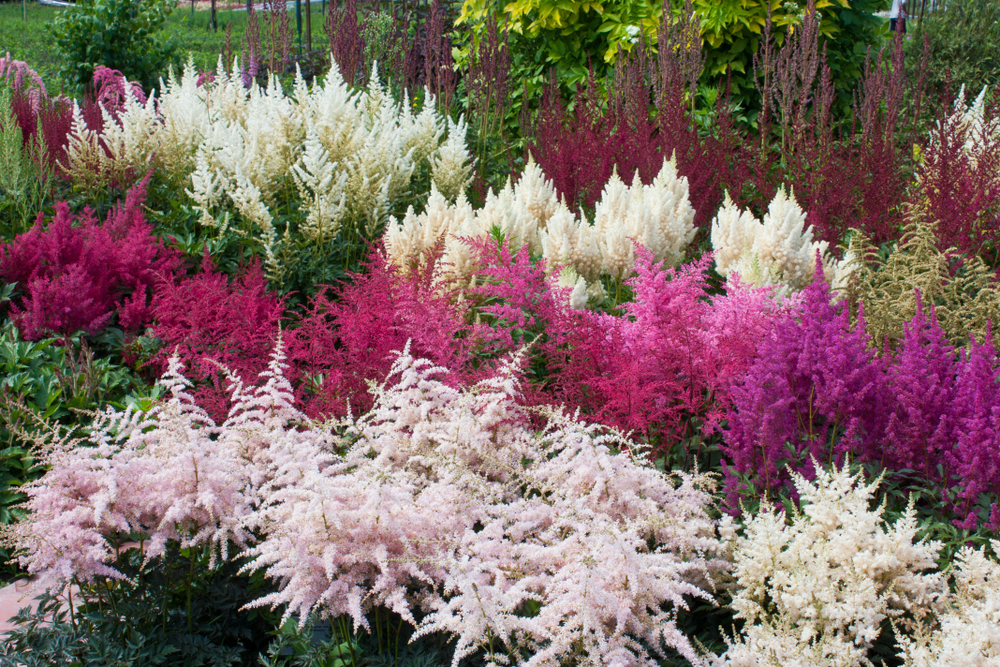
Pro Tip: When you’re planning your garden beds, try to coordinate your buttercups with your other plants. You can mix late-bloomers like the Celery-leaved variety with early spring flowers to ensure you have pops of color well into autumn. Alternatively, lean into the color theory! That bright, shiny yellow looks absolutely stunning when paired with blue or pink flowers that bloom at the same time.