Watermelons are over 90% water, which usually makes them a nightmare to preserve. If you aren’t careful, those crisp cubes turn into a mushy mess the moment they hit the jar. But don’t worry—with a few pro tips, you can keep that texture firm and delicious.
Timing Your Harvest
When it comes to pickling, timing is everything. You can tell when a watermelon is perfectly ripe by its dull green rind and that classic hollow “thud” when you give it a knock. For preserving, you’re looking for the “Goldilocks” zone: not too green, but not overripe.
If you pick it too early, you’ll miss out on that signature flavor. But if you wait too long, the flesh becomes soft and mealy. That overripe fruit will just disintegrate into mush in the jar, losing all its structural integrity.
Prepping Your Watermelon
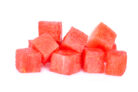
To get started, slice your watermelon into bite-sized chunks (don’t go too small!) and pick out the seeds. Pro tip: save any juice that runs off while you’re cutting—you can add it to your brine later for an extra flavor boost.
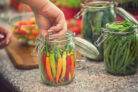
Pack the pieces into your jars, fitting them together snugly to minimize empty space. This helps you save on brine, too. Just make sure not to overfill the jar; the melon pieces need to be completely submerged in liquid to stay fresh and safe to eat.
The base of your brine will be a mix of vinegar and water. From there, you can get creative and customize the flavor profile.
Try adding:
- Salt
- Sugar
- Peppercorns
- Fresh dill
- Tarragon
- Horseradish
- Basil
How to Use Pickled Watermelon
You generally won’t find watermelons pickled in a simple sugar syrup, because without professional sterilization, that sugar water would start fermenting pretty quickly. A vinegar-based brine, however, keeps yeast growth at bay. Simply bring your brine to a boil, pour it hot over the fruit, and seal the jars immediately. This creates a savory, tangy treat—which makes sense when you remember that watermelon is technically a vegetable, not a fruit!
These pickled bites make a fantastic savory side dish for grilled meats or a unique addition to a charcuterie board alongside some cheese skewers. You can also toss a few pieces into a fresh salad to add a tangy kick. And don’t throw out that leftover brine! It makes an incredible marinade for your next backyard BBQ.