Currant season kicks off in June, and if you’re like me, you’re probably eyeing those bushes and dreaming of fresh juice. But let’s be real: if you don’t have a ton of fruit to process, buying a professional steam juicer or a fancy press usually isn’t worth the investment. The good news? You can get amazing results with a simple DIY method using stuff you already have in your kitchen.
Harvesting and Prepping Your Currants
The secret to great juice is using berries that are perfectly ripe. For red currants, you’re looking for a deep, solid red color and a little bit of “give” when you gently squeeze them. Black currants should also feel slightly soft to the touch. White currants are a bit trickier to judge—wait until they look plump and develop a tiny hint of a reddish blush. That’s when you know they’re at peak sweetness!
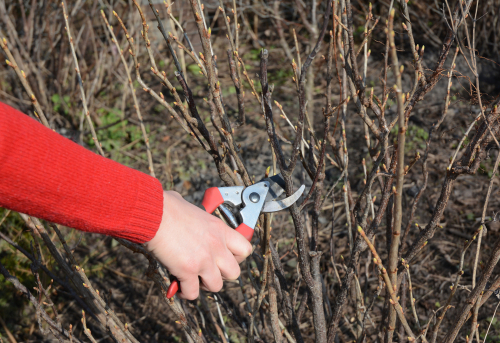
When you’re harvesting your currants, try to be gentle so you don’t bruise them and lose that precious flavor. You don’t *have* to strip them off the green stems, but I recommend it if you have the time; it makes the final juice taste much smoother and less “earthy” or bitter. Either way, give them a good rinse before you get started.
Juicing the Berries
Grab a large pot and toss in your clean berries. Add just enough water so the currants are about 1/3 submerged. You need that splash of water to keep them from scorching at the bottom, but don’t overdo it—too much water will just dilute that beautiful flavor.
Slow and steady wins the race here. Start on low heat and gradually turn it up. This slow warming causes the liquid inside the berries to expand until they pop, releasing all that juice naturally. Let the mixture simmer gently for about 20 to 30 minutes, giving it a stir every now and then.
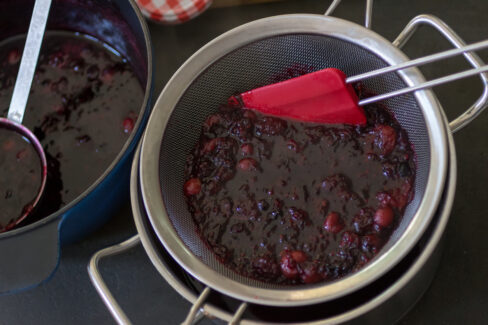
Once the berries have broken down and released their juice, it’s time to strain. A standard fine-mesh sieve works great, but if you want a crystal-clear juice with zero pulp, line the sieve with a cheesecloth or a clean kitchen towel. You can also use a coffee filter for a second pass if you want it extra refined, though it can be a bit slow for the first round of straining.
Putting Your Juice to Use
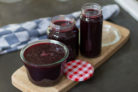
Now for the fun part! There are so many ways to use your homemade concentrate. It’s the perfect base for homemade jellies, or you can freeze it in ice cube trays to add a tart kick to your summer cocktails or sparkling water.
Since currants are naturally quite tart, many people like to turn the juice into a syrup by adding sugar. If you prefer it straight, you’ll definitely want to look into canning your currant juice to make it shelf-stable. Pro tip: Use small bottles! Without added sugar to act as a preservative, the juice only lasts a few days in the fridge once opened before it starts to ferment or mold. Small batches ensure nothing goes to waste!