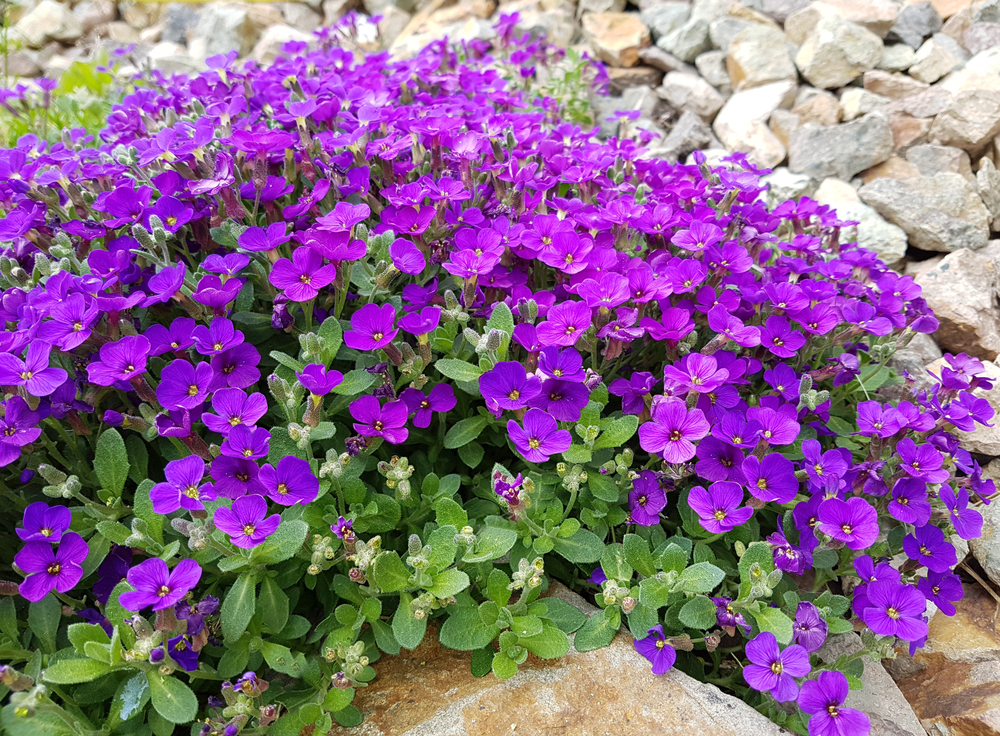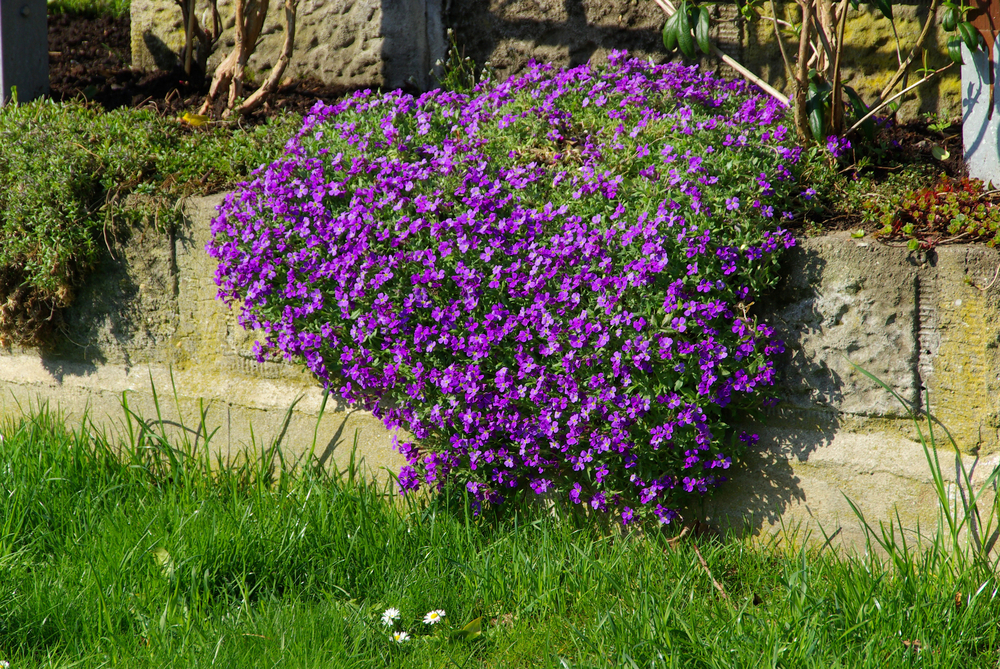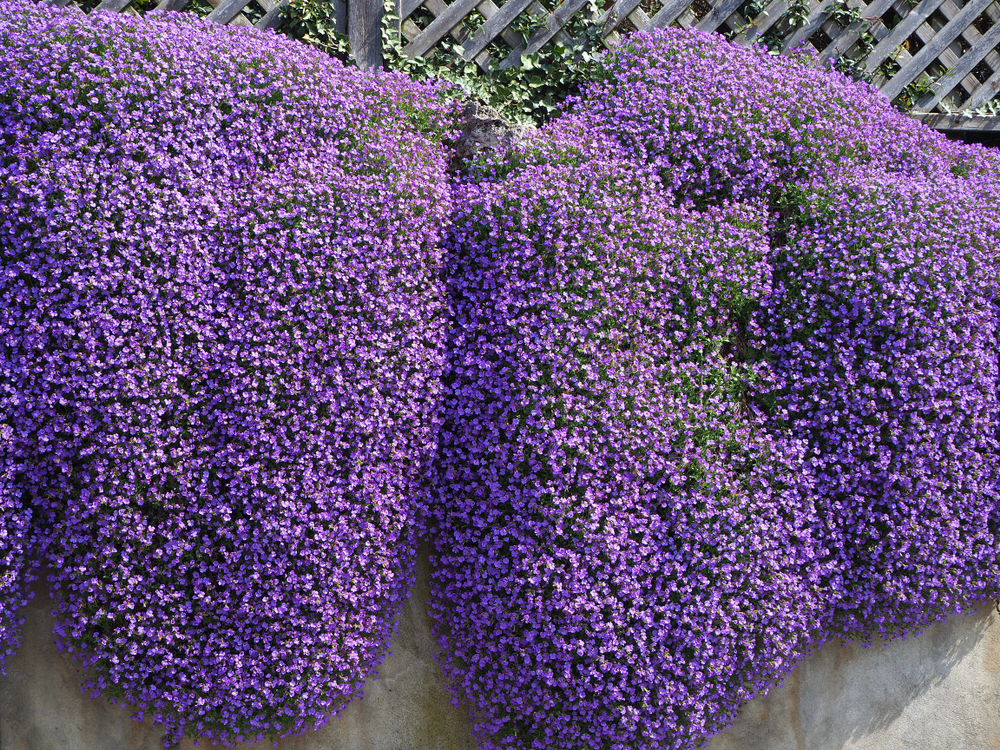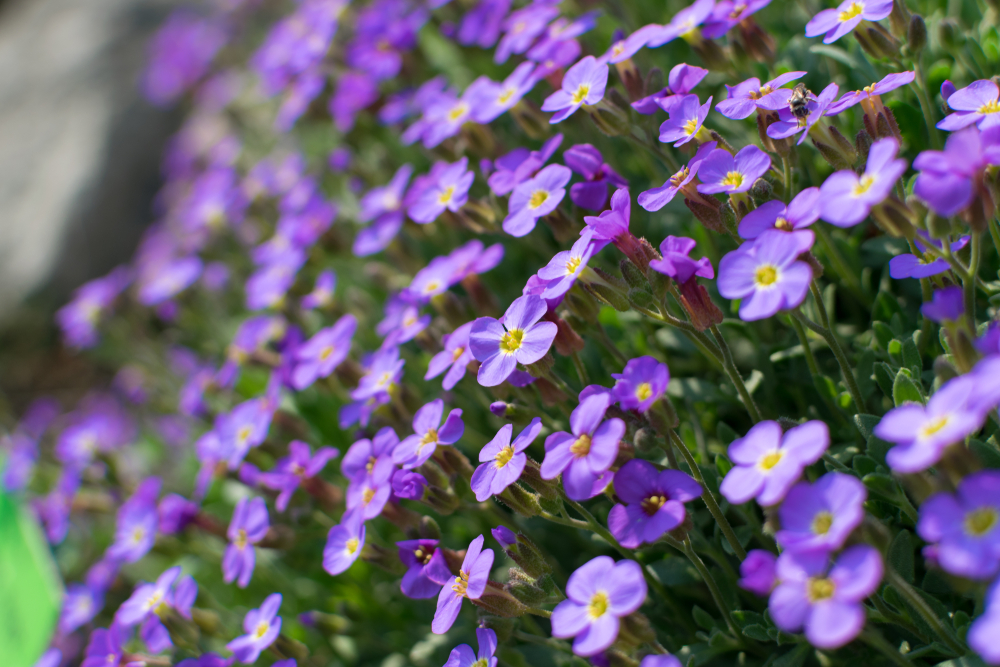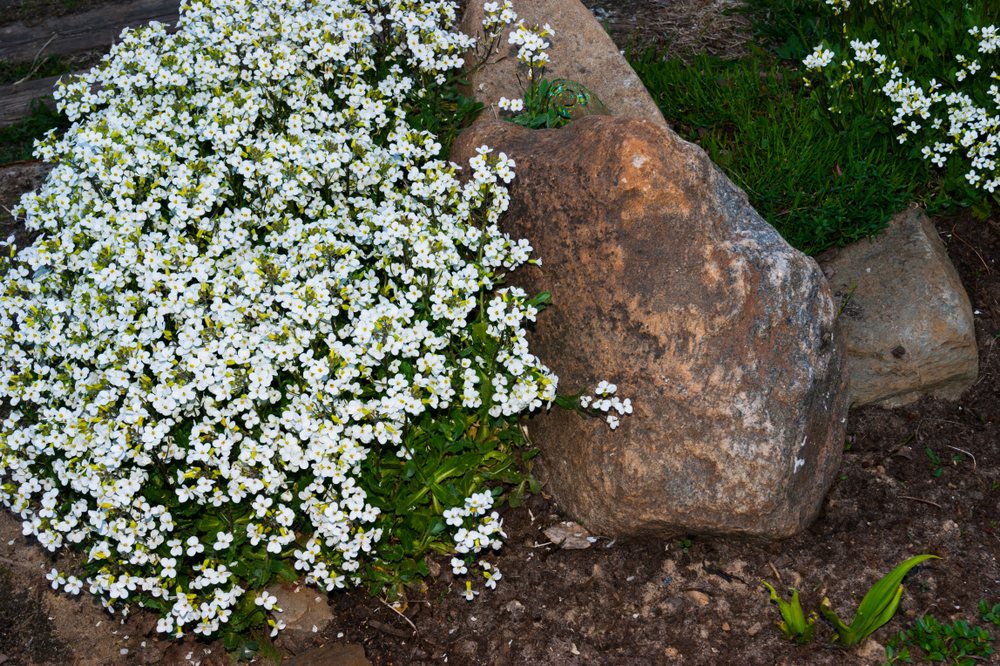
If you’re looking for a plant that turns your garden into a vibrant carpet of color, look no further than Aubrieta, more commonly known as False Rockcress. This hardy little perennial is a member of the mustard family and is a total superstar when it comes to rock gardening. Whether you’ve got a dry stone wall, a classic rockery, or just some stubborn gaps in your pavement, this plant is the perfect “filler” that brings a ton of charm.
Appearance
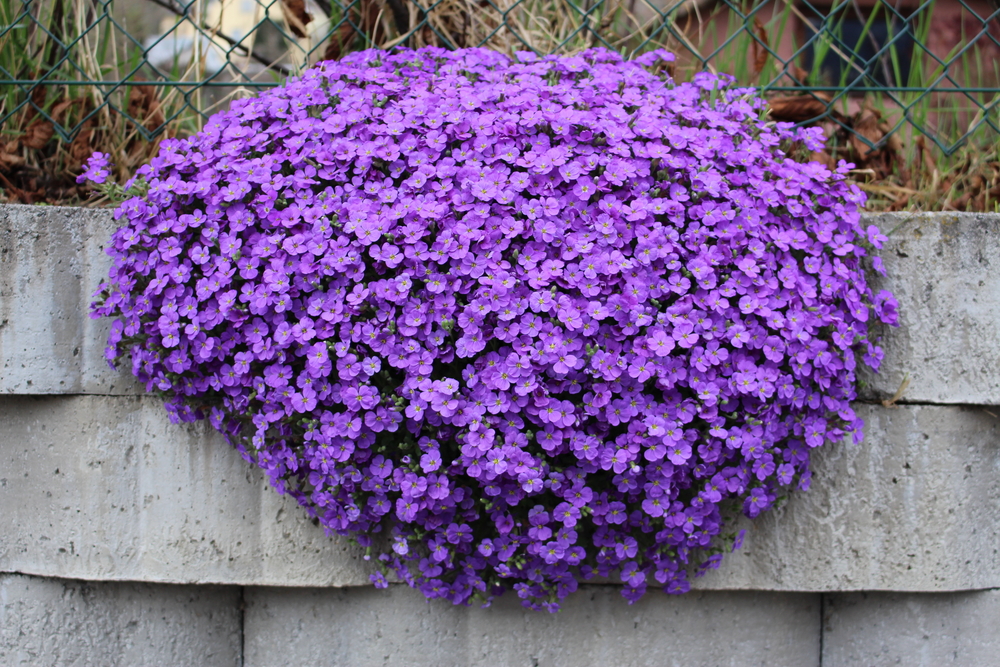
The most iconic thing about False Rockcress is its low-profile, ground-hugging habit. There are about fifteen different species out there, and they usually only reach a height of 4 to 6 inches. Instead of growing tall, they spread out like a lush, green carpet, forming dense cushions of oval-shaped leaves that stay pretty all season long.
Blooms
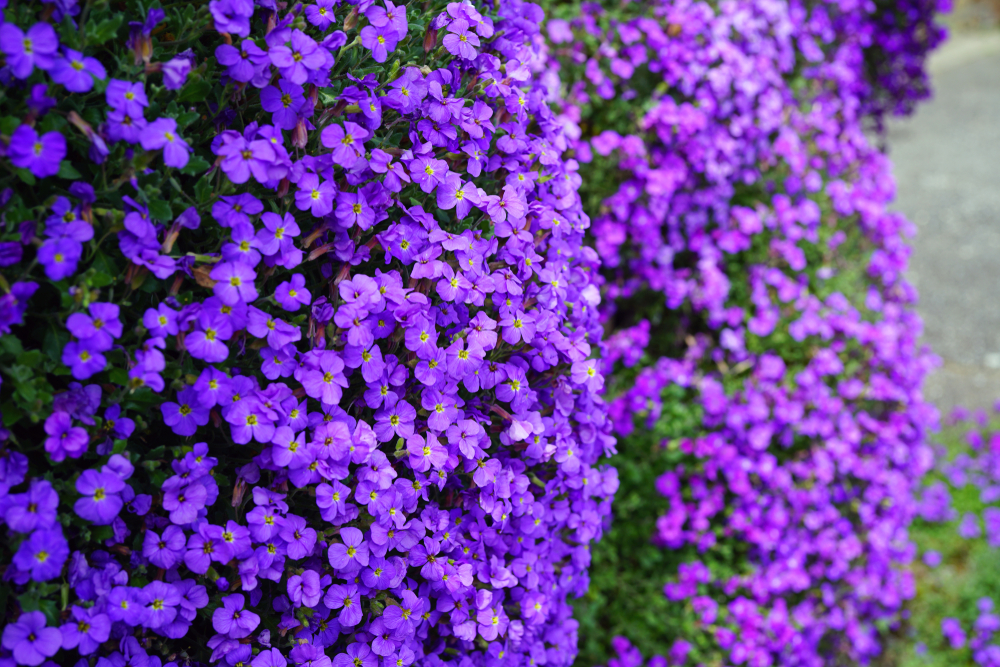
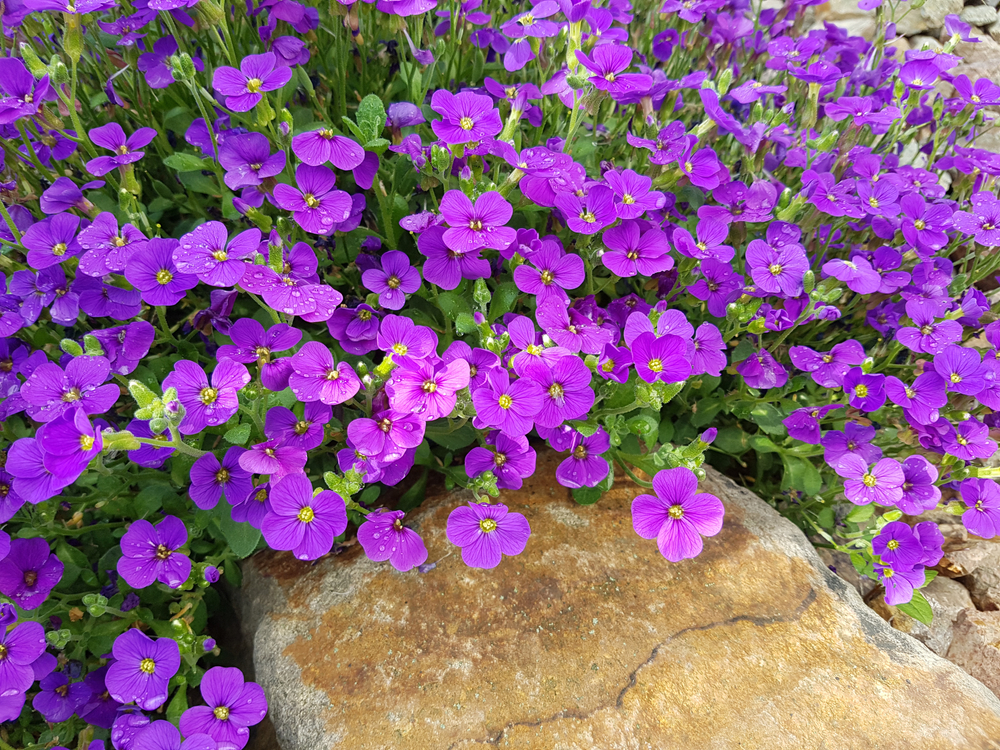
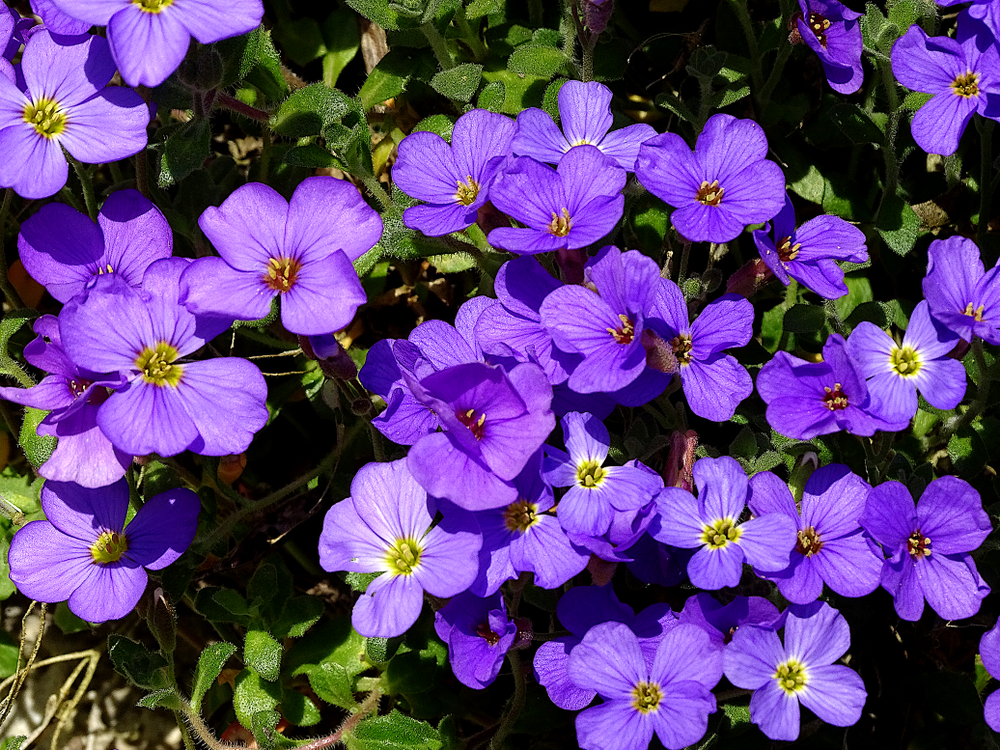
The flowers themselves have a lovely cup-like shape. Depending on which variety you pick, the blooming season usually kicks off between March and May and lasts for several weeks. You can find them in a gorgeous range of colors, including:
- Blue
- Purple
- Pink
- Red
- White
Origin and History
These tough little plants originally hail from the Mediterranean and Western Asia. They were first “discovered” on the island of Crete around 1700. As rock gardens became the height of fashion in Central Europe during the 18th century, False Rockcress quickly became a garden staple across the continent.
The Perfect Spot
Because of its Mediterranean roots, this plant is a total sun-worshipper. When picking a spot in your garden, aim for full sun. While it can handle a bit of partial shade, it won’t grow quite as vigorously or bloom as intensely as it would in a bright, sunny location.
Soil Requirements
When it comes to soil, drainage is the name of the game. False Rockcress is much happier in dry soil than in “wet feet.” You definitely want to avoid waterlogging at all costs! On the bright side, it’s not very picky about nutrients and will actually thrive in leaner, poorer soils where other plants might struggle.
Care and Maintenance
Even though it’s low-maintenance, a little TLC goes a long way. I recommend fertilizing in the early spring to give the plant an energy boost for the growing season. Another pro tip: give your plants a good pruning in May right after the first big bloom. This often encourages a second flush of flowers in late summer! If you do prune in May, it’s a great idea to top-dress the soil with some mature compost. If you miss the May window, make sure to trim it back in September instead—this helps the plant tidy up and settle in for the winter months.