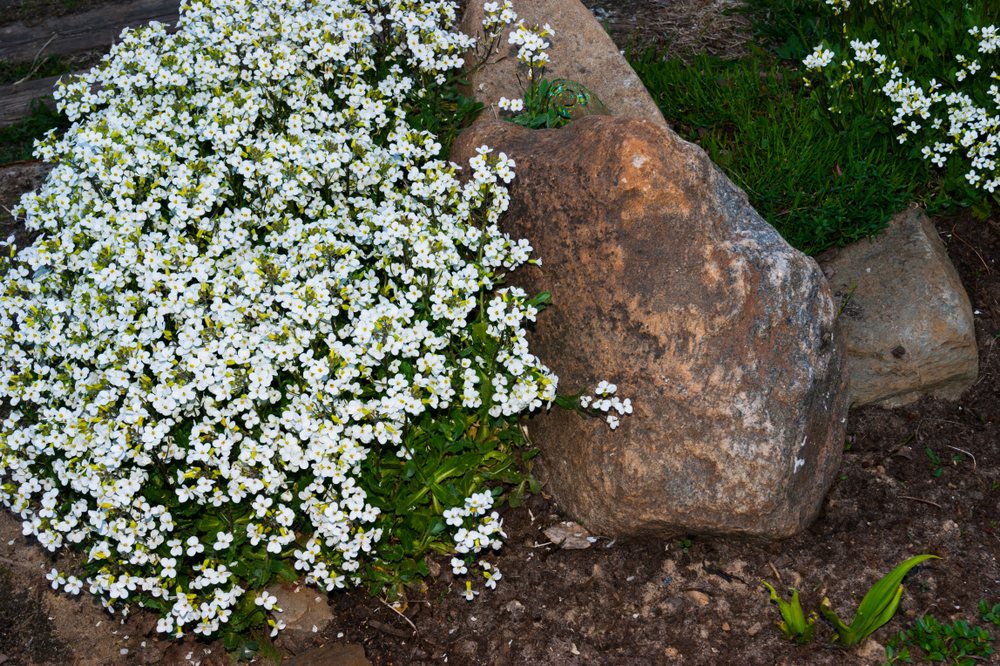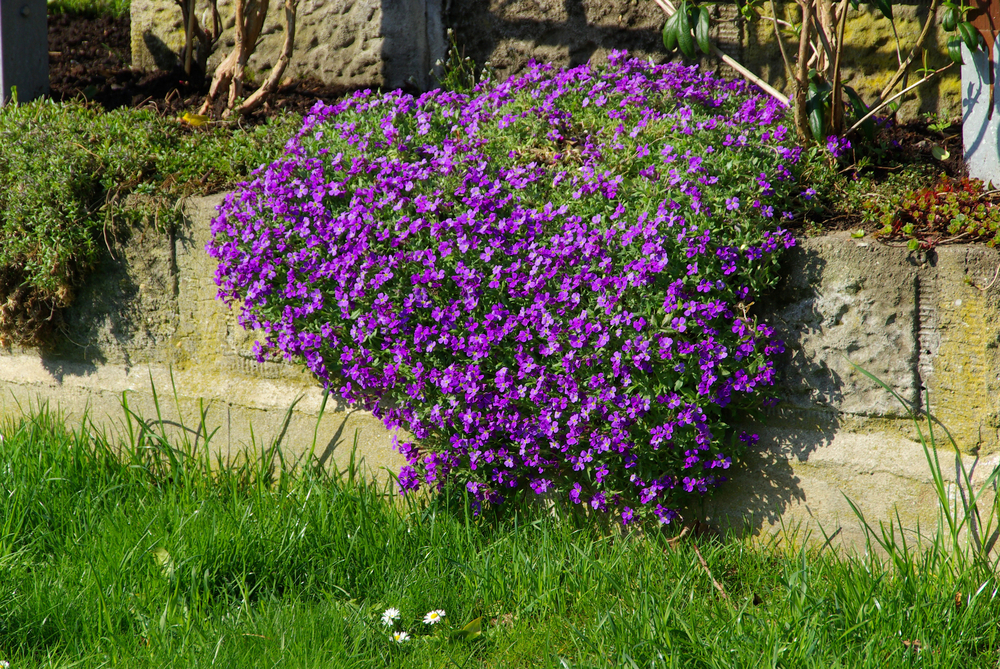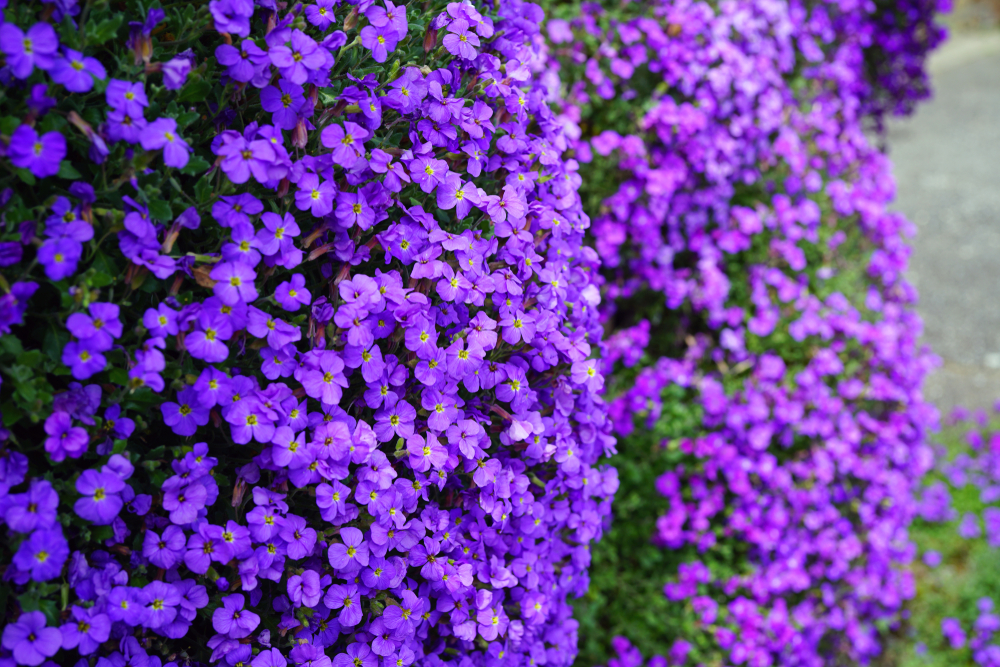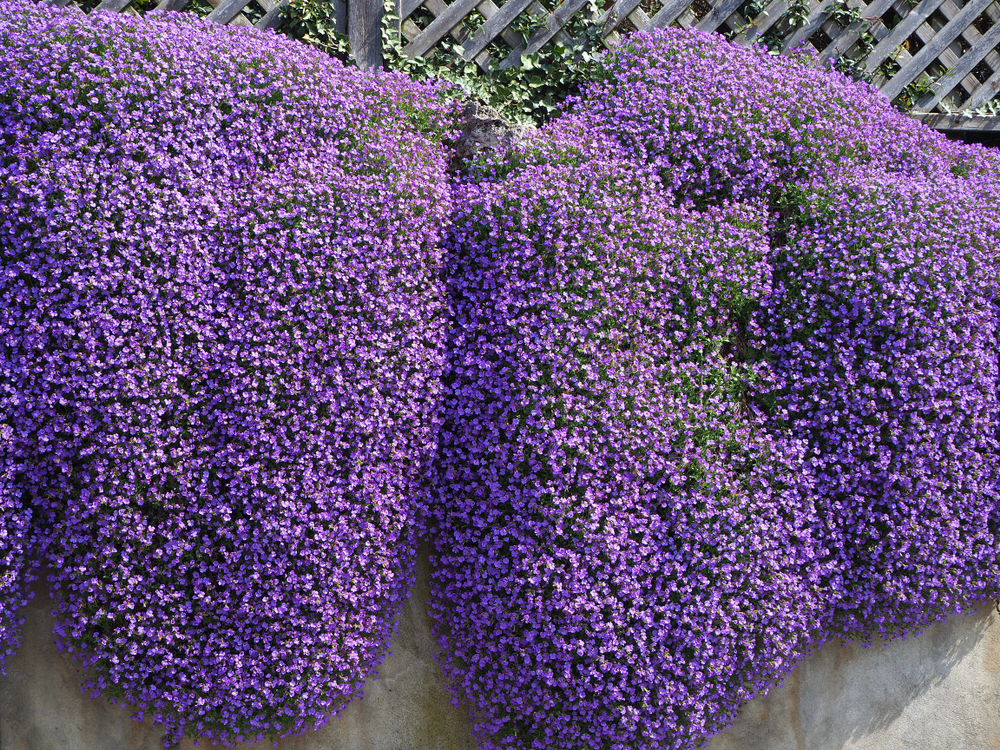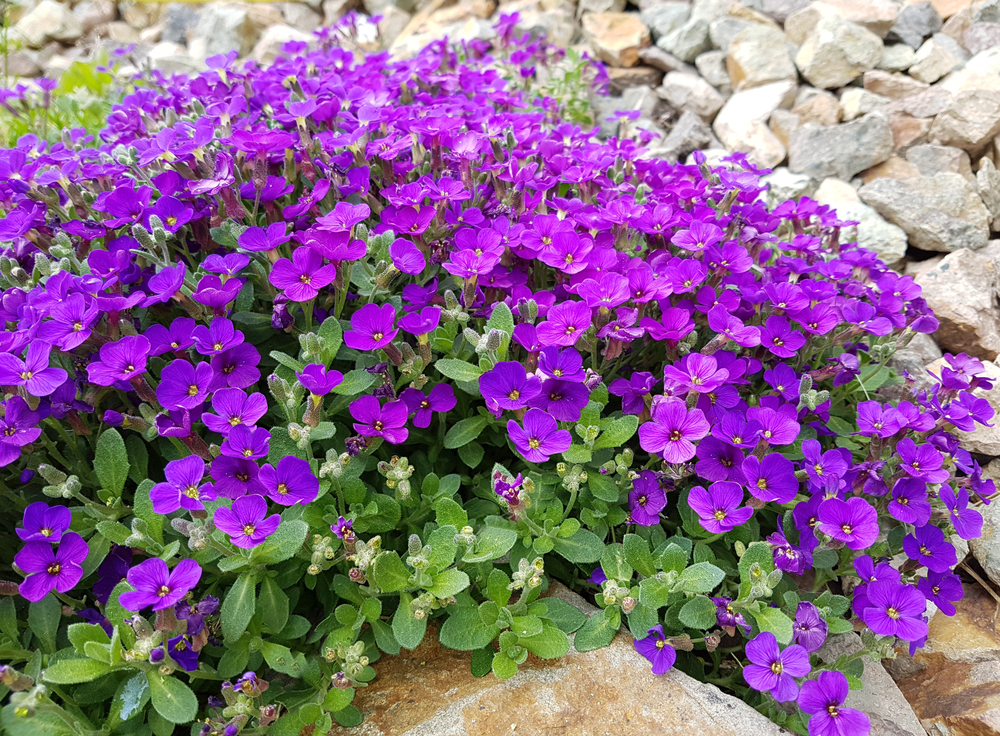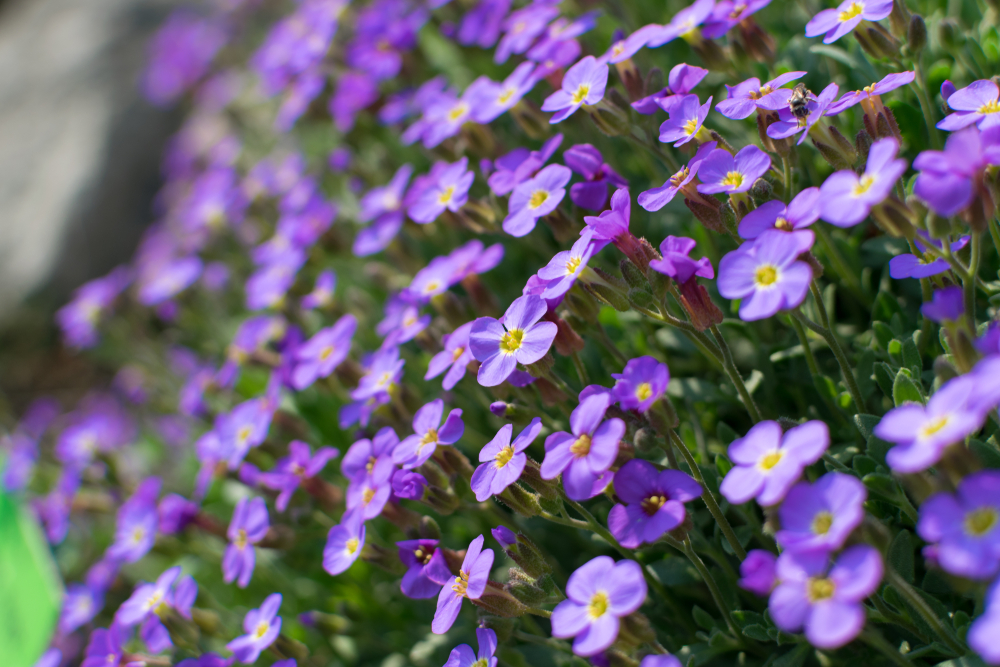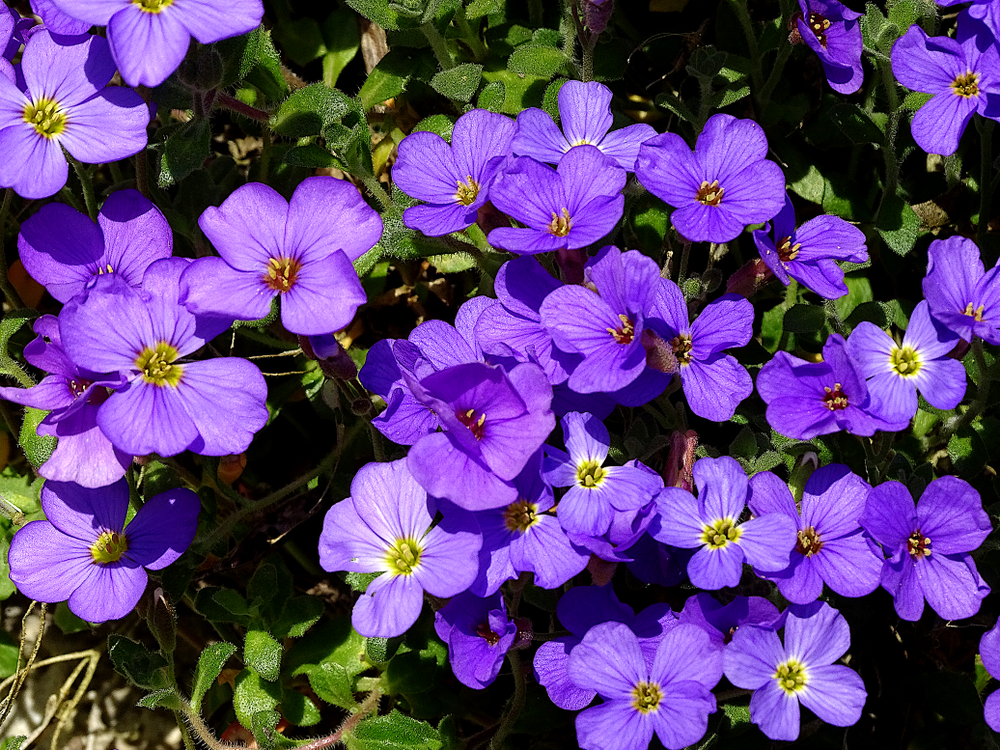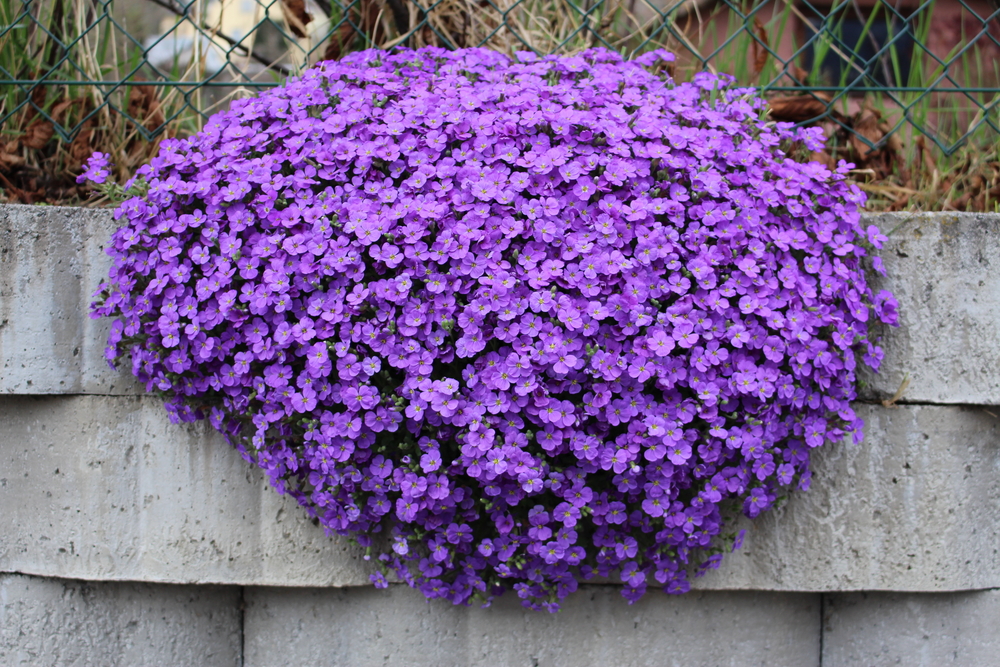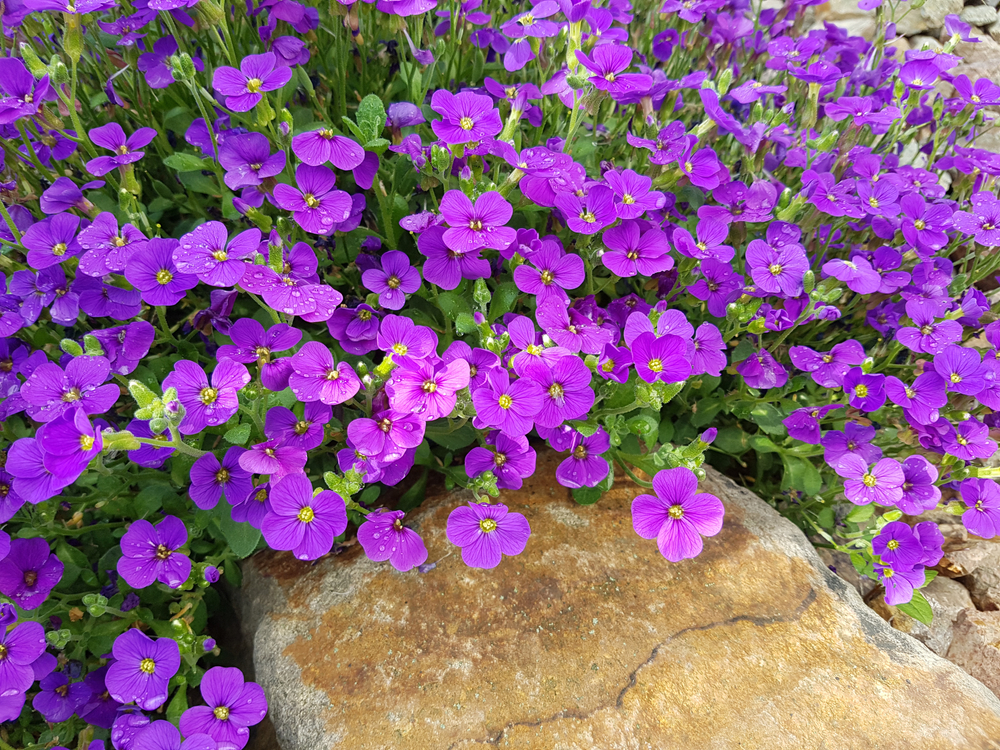
Originally hailing from the Mediterranean and Western Asia, you might expect Aubrieta (commonly known as False Rockcress or Purple Rockcress) to be a bit of a diva when it comes to cold weather. Most plants from those sunny regions can’t handle a classic North American winter, but the Rockcress is a total overachiever. It’s surprisingly tough and can usually handle a deep freeze right in your garden without breaking a sweat.
Good Down to -5 Degrees Fahrenheit
At first glance, its winter hardiness might surprise you. But when you consider that we often sow seeds for Rockcress in rock gardens, stone wall crevices, and between pavers, its resilience starts to make sense. In its natural habitat, it grows in mountainous Mediterranean regions where winter temperatures regularly plummet. Because of those mountain roots, a healthy Rockcress can typically withstand temperatures as low as -20 degrees Celsius (around -5°F) without any trouble.
Break Out the Brushwood
Even though it’s a tough cookie, you shouldn’t push your luck if a record-breaking cold snap hits. If the forecast shows double-digit negative temps for an extended period, it’s a smart move to give your plants a little extra insulation. The best way to do this is by lightly covering them with brushwood or evergreen boughs (like pine or spruce branches).
Extra TLC for the “Newbies”
One thing to keep in mind: age matters! Young Rockcress plants aren’t nearly as winter-hardy as the established “veterans” in your garden. You’ll want to be much more proactive with winter protection for the little guys, especially if they’ve just sprouted up on their own through self-seeding. By nature, Rockcress has a pretty shallow root system, and in young plants, it’s even more delicate. To make sure they survive the frost, it’s best to keep young plants covered from late fall through the spring. You can use a variety of materials to tuck them in:
- Brushwood
- Dried leaves
- Garden fleece (frost blankets)
- A layer of compost
- Pine or spruce boughs