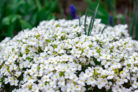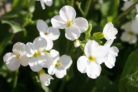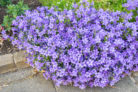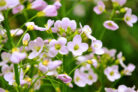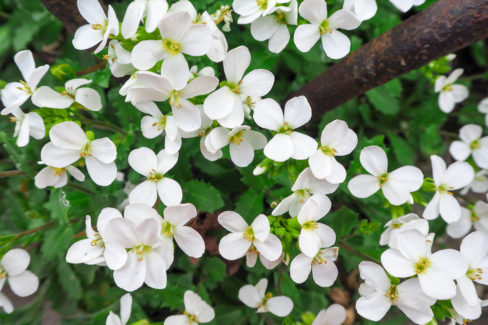
Rockcress (or *Arabis*) is a proud member of the mustard family, which means it’s one of those reliable spring bloomers we all love. Typically, you’ll see these beauties bursting into color—usually in shades of white or pinkish-red—right around April and May.
Some varieties are overachievers
While most Rockcress starts showing off in April, there are a few standouts that like to break the rules. Take Alpine Rockcress, for example: it often starts blooming as early as March. Even cooler? It keeps going way longer than its cousins, sometimes sticking around until October. In some cases, it’s even been known to pop out a few flowers in the middle of winter! The Evergreen Rockcress is another long-bloomer, and if you’re looking for an early start, the Caucasian Rockcress is usually one of the first to wake up in the spring.
Caring for your blooms
If you want to keep the party going, there’s a simple trick: deadheading. By pinching off the faded flowers quickly, you stop the plant from putting all its energy into making seeds. Instead, it’ll often channel that energy into a fresh round of blooms. Even if you aren’t worried about a second flush of flowers, it’s a good idea to trim back the spent stalks anyway—unless, of course, you want the plant to self-seed and spread throughout your garden beds.
A tasty garden treat
The name “Rockcress” (or *Gänsekresse* in German, meaning “Goose Cress”) hints at its culinary potential. Believe it or not, Rockcress is totally edible and actually quite delicious! While the leaves are good, the flowers are the real star of the show. They have a more delicate flavor than the foliage—fresh, peppery, and spicy, very similar to arugula. When harvesting, just pluck the whole flower cluster. They make a fantastic, gourmet garnish for:
- Fresh garden salads
- Creamy soups
- Hearty stews
- Zesty green smoothies