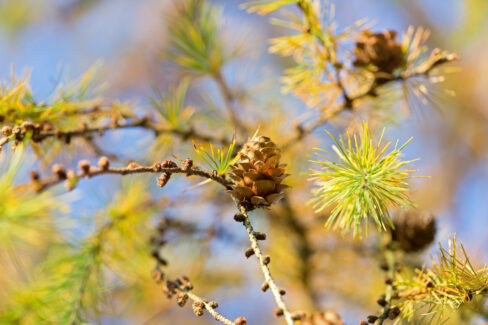
When you’re ready to add a larch to your landscape, getting it right from day one is key. Keep in mind that these trees are long-haulers—they can live for centuries—and they have some specific preferences when it comes to their home. Follow these tips, and you’ll set your new tree up for a long, healthy life.
Picking the Perfect Spot
Larches are big personalities that need plenty of room to stretch out at their planting site. You’ll want to make sure there’s a good amount of distance between multiple trees, and definitely keep them away from house walls or other structures. Sunlight is the big deal here; these trees are sun-worshippers, so don’t even think about tucking them away in a shady corner.
You also need to check your dirt. Larches love a soil that stays consistently moist—they like to have a steady “drink” available at all times. Ideally, you’re looking for soil with some clay content and a pH level between 5.5 and 7. If you’ve got that, your larch is going to be one happy camper.
How to Plant Your Larch
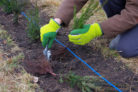
The best time to get your larch in the ground is during October or November. Just pick a day when the ground isn’t frozen. This timing gives the young tree a chance to settle in and get its bearings before the deep chill of winter hits. To give your sapling the best start possible, just follow these simple steps.
Step-by-Step Planting:
- Loosen up the soil at your planting site and mix in some clay or compost if the ground needs a little boost.
- Dig a hole that is twice as wide as the tree’s root ball.
- Place the roots of the young tree in a bucket of water for a bit so they can soak up as much moisture as possible before going into the ground.
- Set your larch in the hole and backfill it with soil.
- Make sure the trunk is standing nice and straight as you go.
- Tamp down the soil firmly with your foot and give it a generous watering.
- Keep the water coming regularly for the first two weeks to help it get established.