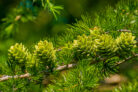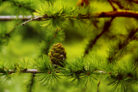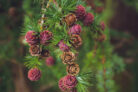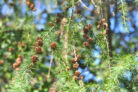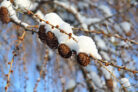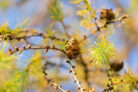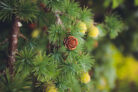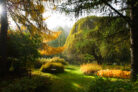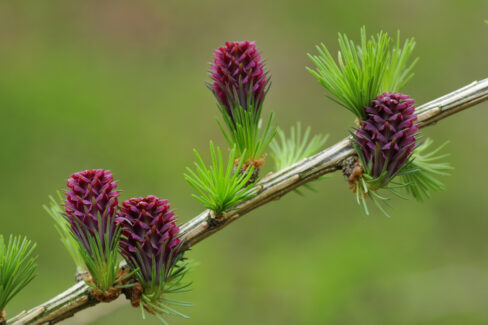
If you’re looking for a real showstopper in your yard, keep an eye on the female flowers of the larch tree. They pop with a stunning pink hue that looks absolutely gorgeous against the tree’s fresh green needles. On the flip side, the male flowers are a bit more low-key. Let’s dive into everything you need to know about the beautiful blooms of this unique conifer.
When does a larch first start blooming?
If you’ve recently planted a larch, you might need to pack a little patience. These trees aren’t exactly “early bloomers.” Generally, a larch won’t start producing flowers until it’s at least 15 years old, and in some cases, it can take up to 40 years! A lot of this depends on the location where you’ve planted it. The happier the tree is with its environment, the sooner you’ll get to enjoy those colors.
To get your larch off to a great start, try to check these boxes:
- Plenty of sunlight from all angles
- Moist soil with a pH between 5.5 and 7
- Nutrient-rich soil
- Ideally, a bit of loam in the ground
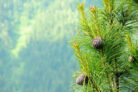
Later on, those flowers will turn into larch cones, but getting there takes a ton of energy. In fact, the tree puts so much effort into blooming that it actually slows down its regular growth during those years. Because it’s such an energy drain, a larch usually won’t bloom every single year. So, if you see yours in bloom, take a moment to appreciate it—it’s a special event!
Bloom time and flower characteristics
Larches are relatively early birds, usually blooming between March and May. The cool thing about the larch is that it’s monoecious, meaning both male and female flowers grow on the same tree. Luckily, they are pretty easy to tell apart once you know what to look for.
Male flowers:
- Color: Yellowish-brown
- Shape: Egg-shaped
- Size: About 1/4 to 1/2 inch (5 to 10 mm)
Female flowers:
- Color: Bright pink, rose, or red
- Shape: Elongated egg-shape
- Size: About 1/2 to 3/4 inch (10 to 20 mm)
Since both grow on the same tree, you get a mix of both styles. The female flowers are definitely the stars of the show, though—their vibrant color really stands out against the bark and the soft needles.