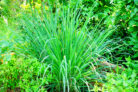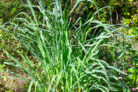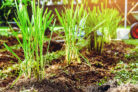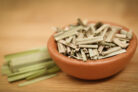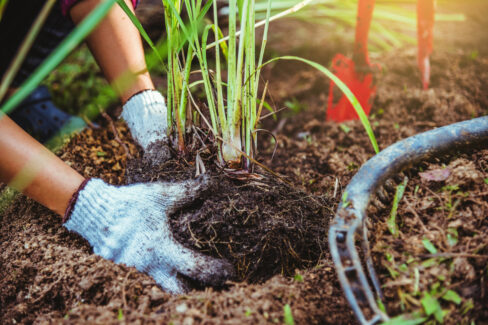
Originally native to Asia, lemongrass has become a huge favorite for home gardeners over here, too. There’s nothing quite like having fresh stalks on hand for your cooking, so I always recommend growing your own! Here is everything you need to know to get started.
Finding the Perfect Spot for Your Lemongrass
Since lemongrass hails from the warm regions of Asia, it craves heat and plenty of sunshine. When picking a spot, try to find a place that’s protected from harsh winds or heavy downpours. If you’re keeping it on a balcony or patio, tucking it near a house wall, under an eave, or beneath an awning is usually your best bet.
The Best Soil for Lemongrass
When it comes to soil, lemongrass likes it loose and well-draining. It really doesn’t like “wet feet” (standing water), so good drainage is a must. I recommend putting a layer of clay pebbles or gravel at the bottom of your pot. For the soil itself, a standard potting mix or herb soil works great—just mix in a little sand or fine gravel to keep things airy.
How to Plant Lemongrass
To get started, you’ll first need some seeds, which you can find at just about any local garden center. If you’re feeling adventurous, you can also propagate it yourself from store-bought stalks or simply buy a starter plant to transplant into your garden.
When to Start Planting
The ideal window for starting lemongrass is usually between late January and mid-March. However, if you’re planning on keeping your lemongrass indoors as a houseplant, you can actually start it any time of year!
Choosing Your Growing Method
You’ve basically got two choices when it comes to growing lemongrass:
- In a container
- Directly in the ground
Growing in Pots
The biggest perk of container gardening is mobility. You can move your lemongrass around whenever you want. Plus, since it’s great for keeping mosquitoes away, you can park it right next to your patio seating! Just keep in mind that potted lemongrass needs regular watering, occasional fertilizing, and the occasional repotting.
Growing in the Garden
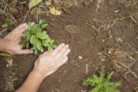
Planting directly in the ground gives the roots plenty of room to spread out, and the plant can soak up nutrients naturally. The only downside? Since lemongrass isn’t frost-hardy, the yearly process of digging it up and bringing it inside for winter storage can be a bit of a chore.
Repotting Your Lemongrass
If your potted lemongrass is starting to look a bit cramped, it’s time for a upgrade. Make sure to choose a significantly larger pot; lemongrass develops a very robust root system and needs plenty of elbow room to thrive.
Spacing in the Garden
If you decide to plant your lemongrass in a garden bed, give it some space! You’ll want to keep about 20 inches (50 cm) between it and any neighboring plants. Lemongrass grows quite vigorously and can easily crowd out smaller plants if they’re tucked too close together.