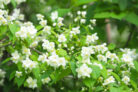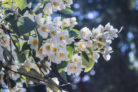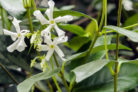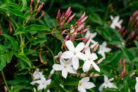
Getting jasmine into the ground is actually pretty straightforward! If you’re looking to add that incredible fragrance to your space, you’re in the right place. I’m going to walk you through everything you need to know to get your jasmine off to a great start, along with some of my favorite tips and tricks.
The Best Time to Plant Jasmine
Technically, you can plant jasmine year-round if it’s staying indoors. But if you’re planning on moving your jasmine out into the garden, you’ll want to aim for the window between spring and fall—ideally May through October. Since True Jasmine isn’t frost-hardy and needs to head inside for the winter anyway, the exact date isn’t set in stone. However, planting in the spring is definitely the pro move; it gives the plant plenty of time to establish a strong root system and push out those gorgeous blooms before its winter nap.
Finding the Perfect Spot
Jasmine is a sun-seeker at heart. It originally comes from warmer climates, so it craves a warm, bright, and sunny spot. It can handle a little bit of partial shade, but sun is really the key to those flowers. If it’s outdoors, jasmine can handle the midday sun like a champ. If you’re keeping it as a houseplant right by a window, though, just keep an eye on it—sometimes direct glass-magnified sun can be a bit much, so a little filtered light during the hottest hours doesn’t hurt.
Here’s a quick checklist for the ideal location:
- Bright and sunny
- Protected from harsh wind and heavy rain
- Nutrient-rich, loose, well-draining soil (no soggy feet!)
Soil Requirements
Jasmine loves a “gourmet” soil mix—think sandy, loamy, and packed with nutrients. If your soil is looking a little tired, don’t be afraid to mix in some universal fertilizer. The big secret here is moisture balance: you want the soil consistently damp, but never waterlogged. To keep things airy and well-drained, I like to mix in some expanded clay pebbles, grit, or sand.
Choosing Your Planting Style
How you grow your jasmine really comes down to your space and your style. The most popular ways to do it are:
- In pots or containers
- Directly in the garden beds
- As a flowering hedge or privacy screen
Planting Jasmine in Pots and Containers
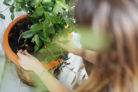
Since True Jasmine has to move indoors for the winter to stay warm, many gardeners find it way easier to just keep it in a pot from day one. That way, you aren’t digging it up every fall. Plus, a potted jasmine looks stunning on a patio, balcony, or right by the front door.
When planting in a container, drainage is your best friend. Jasmine hates standing water—it leads to root rot and a very unhappy plant. To keep things flowing, put a layer of expanded clay at the bottom of the pot before adding your soil. Mixing some gravel or sand into the potting soil itself also helps create that loose structure jasmine loves.
If you want to get really creative, you can even train your jasmine as a bonsai in a shallow dish. It makes for a spectacular houseplant or a unique outdoor accent.
Planting Jasmine in the Garden
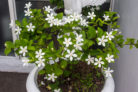
You can absolutely plant jasmine directly in your garden beds. Just make sure the spot is right and you’re keeping up with watering. A quick heads-up: pay close attention to which variety you have. Only “False Jasmine” (like Star Jasmine) is typically hardy enough to stay outside all winter in many regions. If you put True Jasmine in the ground, you’ll have to dig it up every autumn before the first frost hits and move it somewhere cozy.
Jasmine as a Climber
Jasmine is a natural climber, so it really needs a trellis or some kind of support to show off. With the right support and a little love, these plants can reach heights of up to 15 feet! My advice? Put the trellis in at the same time you plant. This gives the jasmine something to grab onto right away and prevents you from damaging the roots by trying to hammer a stake in later on.
Jasmine as a Hedge or Privacy Screen
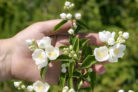
Because True Jasmine isn’t fan of the cold, it doesn’t work well as a permanent garden hedge. Now, the winter-hardy False Jasmine *can* be grown as a hedge, but keep in mind that it loses its leaves in the winter, so it won’t provide much privacy during the colder months.
A great workaround is to line up several large jasmine pots to create a “living wall” on your balcony or patio. It creates a beautiful, fragrant screen that you can move around as needed.
The Bottom Line on Planting
At the end of the day, planting jasmine isn’t rocket science. If you’re planting outdoors, just dig a hole twice as wide as the root ball, set the plant in, and fill it back up. Don’t pack the soil down too hard—keep it light and airy so the water can flow and the roots can breathe. Happy planting!