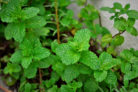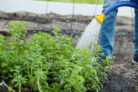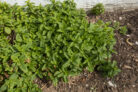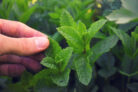
Peppermint is a total must-have for any herb garden. It’s a powerhouse in the kitchen and great for home remedies, plus it’s incredibly easy to grow in the ground or in containers on your patio. The secret to those lush, healthy leaves? It’s all about finding that “Goldilocks” spot in your yard.
Peppermint Planting Basics
Before you start digging or scattering seeds, you need to know what makes mint happy. Here’s the checklist for the perfect mint patch:
- Light: Bright but indirect. It loves partial shade and a spot that’s protected from harsh winds.
- Sun: Avoid intense, direct midday sun, which can scorch the leaves.
- Soil: Keep it loose and nutrient-rich (mixing in some compost works wonders!).
- Drainage: Mint likes moisture, but it hates “wet feet,” so make sure the soil doesn’t get waterlogged.
- Rotation: To keep the soil healthy, try to move your mint to a new bed every three years.
Sowing, Starting, and Planting
If you want a head start, you can start your peppermint seeds indoors on a sunny windowsill as early as February. If you’re planting directly outside, wait until May when the threat of night frost has passed. Even though established mint is a hardy perennial, babies and seeds are sensitive to the cold!
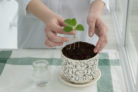
Since peppermint seeds are “light germinators,” just sprinkle them on top of your potting mix—don’t bury them. Once they sprout and look sturdy enough to handle, thin them out into individual pots. By mid-May, they’re ready for the great outdoors. If you started a bit late, don’t worry; you can keep planting young mint outside all the way through fall.
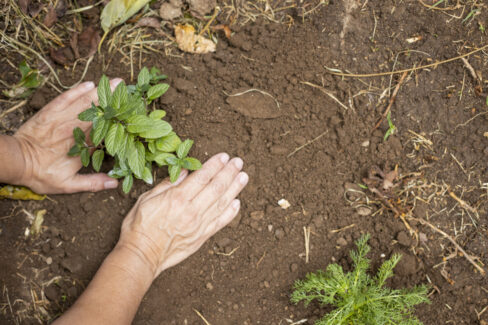
When you’re ready to plant, loosen the soil deeply and mix in some mature compost. If your soil is heavy clay, adding a bit of sand will help with drainage. Give each plant its own hole and—this is important—keep them about 20 inches (50 cm) apart. If they’re too crowded, airflow suffers, making it way easier for pests and fungi to spread from plant to plant.
Pro Tip: Mint is a bit of a space hog! It spreads like crazy via underground runners. To keep it from taking over your entire garden, use a root barrier. The easiest trick is to plant the mint in a bottomless bucket or large pot and bury the whole thing in the ground.
Growing Peppermint in Containers
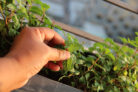
No yard? No problem! Peppermint grows beautifully in balcony boxes or large patio planters. Use a high-quality, peat-free potting soil. Since drainage is key for container gardening, always add a layer of clay pebbles or broken terracotta shards at the bottom before adding soil. Place your pot in a sheltered, partially shaded spot, and you’re good to go.
Winter Care
Even though peppermint is a hardy perennial, it appreciates a little TLC during the winter. After you’ve cut the plant back close to the ground, give the roots some protection. A layer of evergreen boughs or brushwood works great for plants in the ground. For container plants, wrap the pots in burlap or bubble wrap to keep the root ball from freezing solid.