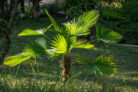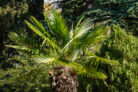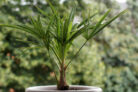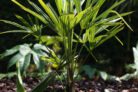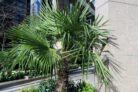
The Windmill Palm is one of the toughest palms out there. This hardy fan palm can handle temperatures as low as 0°F (-18°C), which means you can definitely plant it right in your backyard. However, there’s a catch: only older plants that have spent some time maturing in a pot are ready for the great outdoors.
Which Windmill Palms are ready for the garden?
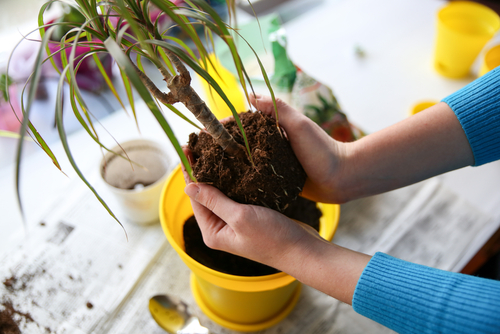
Windmill Palms only develop their frost-fighting powers once they reach a certain age. If you put a “baby” palm outside too soon, it won’t survive the first freeze. My rule of thumb? Only transplant palms that are at least four years old.
When is the best time to plant?
If you’re ready to move your potted palm into the ground, timing is everything. Wait until the spring night frosts have passed—usually around mid-May. By then, the soil has warmed up nicely, which gives the roots a much-needed head start to establish themselves before winter rolls around again.
Choosing the perfect spot
Windmill Palms can be a bit picky about their real estate. If you get the location right, they’ll thrive for decades. Here’s what you’re looking for in a “five-star” palm location:
- Bright to full sun
- Sheltered from harsh winds
- Well-draining soil (no “wet feet”!)
Keep in mind that specific varieties have different sun tolerances; some love the intense midday sun, while others prefer a bit of afternoon shade.
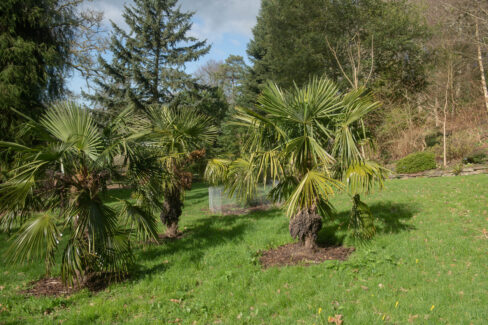
Also, don’t forget to look up! These palms can reach heights of up to 30 feet. Give them plenty of breathing room—stay away from walls and buildings, and plan for each palm to take up about 40 to 60 square feet of space.
How to plant your Windmill Palm
First, loosen up the soil in your chosen spot. To keep things draining well, mix in some compost along with sand or fine gravel—this prevents water from pooling around the roots. Dig a hole about three times as deep as the root ball and gently set your palm inside. Fill the hole back up with garden soil, tamping it down lightly as you go.
Give it a good soak immediately after planting. For that first winter, it’s a good idea to provide some extra frost protection by using a thick layer of mulch and wrapping the trunk in burlap.