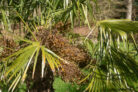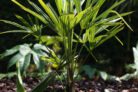
Windmill palms are surprisingly easygoing and don’t demand much when it comes to their soil. While older, established palms are perfectly happy in standard garden soil, younger plants appreciate a bit more attention to their substrate. The best part? You can easily mix up the perfect blend yourself!
Keep it light on the nutrients
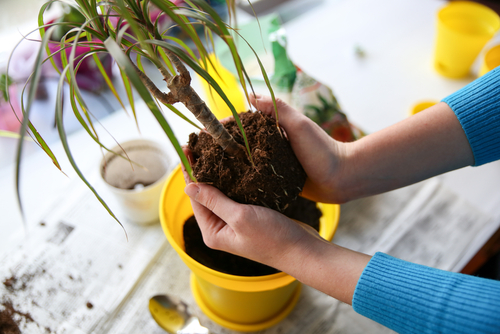
The Windmill palm thrives in well-draining, slightly acidic soil. Believe it or not, you actually want to avoid soil that’s *too* rich in nutrients—even some of those store-bought “palm mixes” can be a bit much. For most palms, regular garden soil works just fine. However, if you’re dealing with container plants or younger palms, I recommend mixing your own “custom blend.” Here are the best ingredients to use:
- Garden soil
- Compost
- Peat moss
- Sand
- Gravel
- Lava rock or perlite
Adding sand, gravel, or lava rock is key because it improves drainage, ensuring your palm’s roots aren’t sitting in soggy water. If your garden soil has a bit of clay in it, that’s actually a plus—it helps give the palm a sturdy anchor. My “perfect recipe” is usually equal parts garden soil and compost, with a generous handful of sand or gravel tossed in.
When to feed your Windmill palm
As I mentioned, these palms aren’t big fans of over-enriched soil. That said, they still need a little boost now and then to stay healthy. The golden rule here is to be stingy with the fertilizer! It’s much better to use a smaller amount more frequently than to overdo it all at once. In fact, over-fertilizing is a common reason these palms struggle.
Only fertilize your Windmill palm during its active growing phase, which usually runs from late March through September. Once the winter months hit, the plant takes a well-deserved nap, so you can put the fertilizer away until spring.
If you’re using a liquid fertilizer, aim for once every two to three weeks during the growing season. Fertilizer spikes are even easier—just pop them in the soil and they’ll slow-release nutrients for about a month. For palms planted directly in the garden, a high-quality slow-release fertilizer is usually your best bet.