Parlor palms are hands-down some of the most popular houseplants out there, and for good reason! They’re incredibly hardy, low-maintenance, and perfect for beginners who want that tropical vibe without the stress. If you’re looking to expand your indoor jungle, you’ll be happy to know that propagating these beauties is totally doable, even if you don’t have a green thumb yet.
Ways to Propagate
You’ve got two main options when it comes to growing new parlor palms: starting from seeds or using offshoots (pups). Growing from seed takes a bit of effort and a whole lot of patience—these guys are slow growers and take their sweet time to germinate. On the other hand, propagating via offshoots is much faster, giving you cute, established little plants almost instantly.
Growing from Seed
You can find parlor palm seeds at most specialty garden centers. A quick tip: don’t let them sit in your junk drawer for too long! They lose their “oomph” (germination power) pretty quickly. Here’s how to get them started:
- Soak the seeds in warm water for about two days.
- While they soak, prep a tray with seed-starting mix or a DIY blend of potting soil and sand.
- Sow the seeds and cover them with a light layer of soil.
- Find a cozy, warm spot for your tray—ideally between 75°F and 85°F (25-30°C).
- Keep them out of direct sunlight so they don’t fry.
- Create a “mini greenhouse” by covering the tray with a clear plastic bag.
- Give them some fresh air daily by lifting the bag for a few minutes to prevent mold.
- Keep the soil consistently moist but not soggy.
- Eventually, you’ll see little sprouts popping up!
- Once the seedlings are a few inches tall, you can ditch the plastic bag.
- Move your young palms into their own pots and shift them to a slightly cooler spot.
Harvesting Your Own Seeds
Since parlor palms are often sold with several plants crowded into one pot, there’s a good chance you have both male and female plants living together. When they bloom, you can play matchmaker by using a small paintbrush to hand-pollinate the flowers a few times a day. If you’re successful, you’ll see green fruits that eventually turn black as they ripen. Once they drop off, they’re ready to be harvested and planted!
Propagating with Offshoots
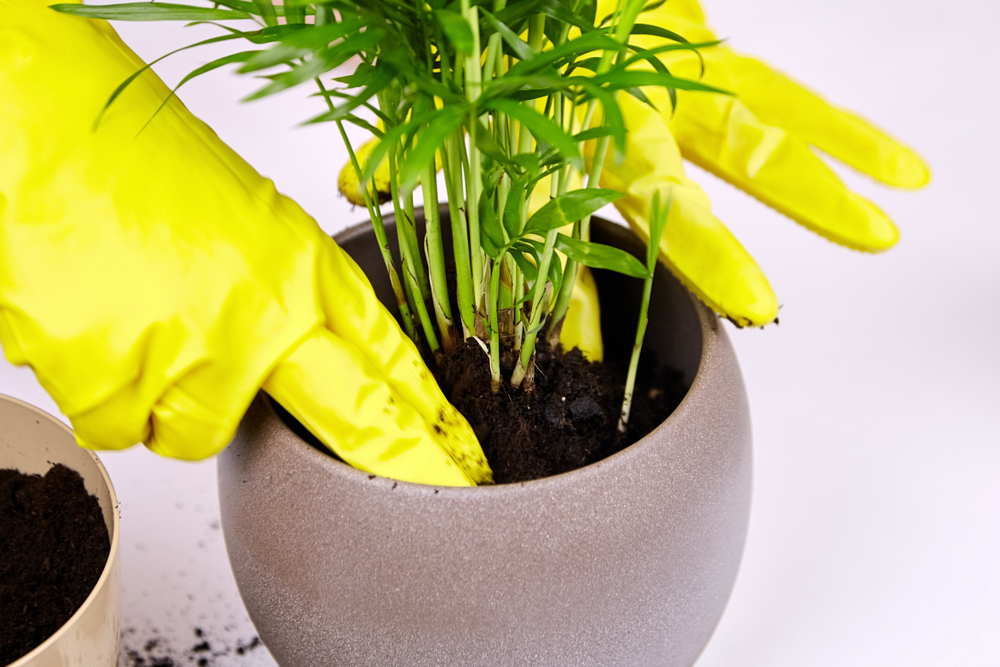
As your parlor palm grows, it’ll naturally produce little “pups” or offshoots. You can carefully snip these away from the main plant using a clean, sharp knife. To give them a head start, dust the cut end with some rooting hormone, then tuck the offshoot into a pot with fresh seed-starting mix. Keep the soil moist and cover the pot with a clear plastic bag to lock in humidity. In that warm, greenhouse-like environment, the offshoot will quickly develop roots and start growing. Once it’s established, remove the bag and move your new parlor palm to its permanent home .