Some of our most beloved houseplants actually carry a bit of a “toxic” reputation, but that doesn’t mean they don’t bring a ton of value to your home. Here is a look at why these popular plants are worth keeping around, along with the benefits they offer.
[[pflanzen]]
++Sago Palm (Metroxylon sagu)
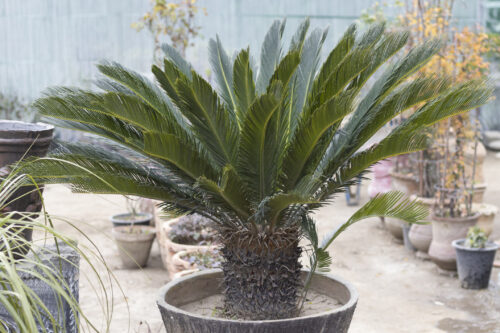
In tropical climates, the Sago Palm is a major source of starch, but here at home, the smaller varieties make for stunning houseplants. Those feathery green fronds instantly give off exotic, vacation vibes. Just a heads-up: this is a toxic plant. If any part of it is ingested, it can cause serious nausea for both humans and pets, so keep it in a safe spot.
++Golden Pothos (Epipremnum aureum)
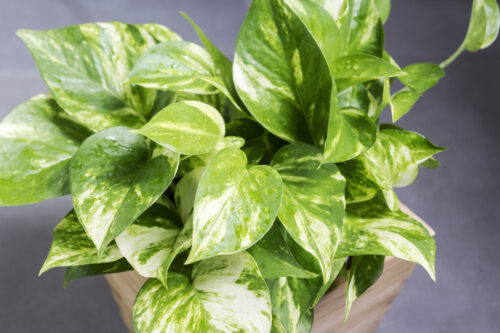
The Pothos is a fantastic climber that looks just as good trailing down from a bookshelf or a hanging basket. While it does contain irritants, it more than makes up for it with its benefits. Pothos is a champion air purifier; its leaves are great at filtering out indoor pollutants, literally freshening up the atmosphere in your room. Plus, it’s incredibly low-maintenance, making it the perfect choice for beginners.
++Peace Lily (Spathiphyllum)
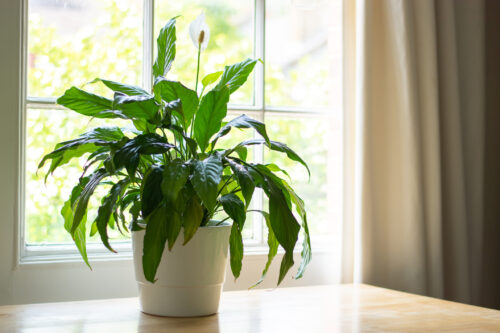
As a houseplant, the Peace Lily is famous for its elegant white blooms that look like delicate sails or even a ballgown. Paired with its deep green foliage, it adds a lively, sophisticated touch to any room. However, you’ll want to keep a close eye on toddlers and pets. If they decide to take a nibble, it can lead to some uncomfortable complications.
++Cyclamen (Cyclamen)
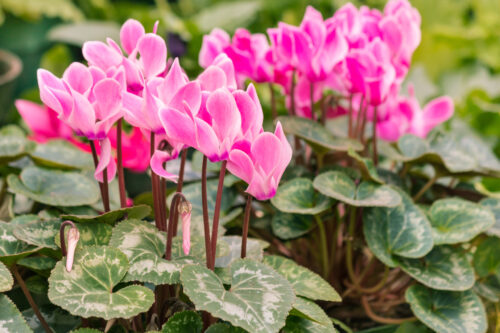
The popular Cyclamen is another one that carries toxins. It features dense, dark leaves that provide a beautiful contrast to its bright, colorful flowers. These plants are used to the cooler conditions of the Alps, and with the right care, they’ll reward you with a bounty of blooms. They aren’t actually that hard to care for, but since the leaves contain harmful substances, it’s best to keep them out of a child’s bedroom.
++ZZ Plant (Zamioculcas)
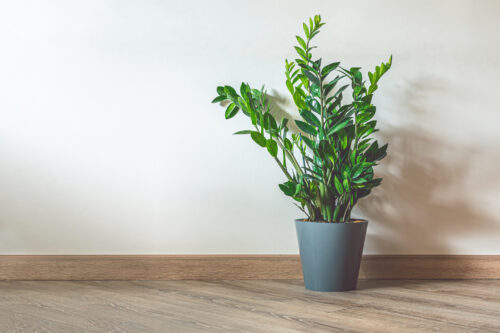
The ZZ plant is a superstar in the plant world. It rarely needs water and boasts gorgeous, thick, waxy leaves in a deep emerald green. Because the plant contains calcium oxalate, you should avoid getting the sap on your skin, as it can cause an allergic reaction or irritation. Also, make sure your pets don’t use the leaves as a chew toy!
++Amaryllis (Hippeastrum)
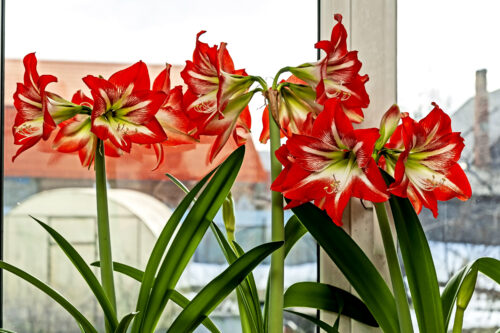
The Amaryllis is a showstopper, but it does contain toxic compounds. As long as you handle it with care, you can enjoy its massive, stunning flowers without worry. Few other indoor plants offer blooms quite this large! Plant the bulb before the first frost or ensure it gets a “chilling period” to trigger those famous red blossoms that everyone loves during the holidays.
++Dieffenbachia (Dieffenbachia)
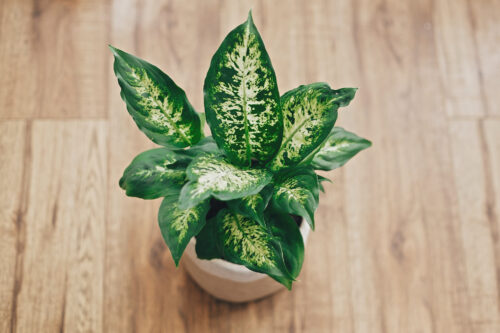
Commonly known as “Dumb Cane,” the Dieffenbachia is toxic in almost all its parts. On the flip side, it is incredibly effective at scrubbing toxins from the air. By adding one to your decor, you’re actually improving your indoor air quality. It can be trained to grow up a trellis or left to grow full and lush on a shelf, where its striking variegated leaves can really shine.
%%Oleander (Nerium oleander)
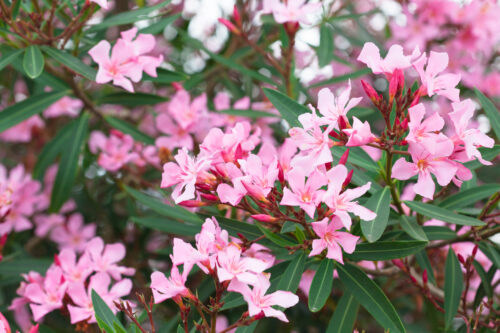
The Oleander is a classic beauty, but it’s well-known for being highly toxic if eaten, especially for small pets. Despite that, people love it for its looks. The dark green, leathery leaves look amazing against its pink flowers. While you’ll often see them on balconies or in public parks, they can also look wonderful in a sunroom or a bright indoor space.