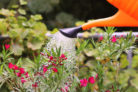
Oleanders are a total favorite for gardeners everywhere, and it’s easy to see why! They’re super versatile and put on an absolutely stunning show of blooms that lasts all summer long. If you’re looking to add some Mediterranean flair to your space, here are some cool facts you should know about these beauties.
Oleander at a Glance: The Quick Specs
Want the fast facts? Here’s a quick breakdown of where oleanders come from and what makes them tick:
- The Science Stuff: Its botanical name is *Nerium oleander*. It belongs to the Nerium genus and is part of the Apocynaceae (dogbane) family. You might also hear some folks call it “Rose Bay.”
- Home Sweet Home: These plants originally hail from the sunny regions around the Mediterranean Sea.
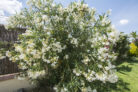
- Growth Habit: In the wild, oleander grows as a bushy, woody shrub that can reach heights of up to 20 feet! If you’re growing yours in a pot, it’ll usually stay a bit more manageable, topping out around 6 to 10 feet because of the limited root space.
- Sun & Water: These guys are sun-worshippers! They thrive in warm, bright spots. Interestingly, in nature, they often grow along damp riverbanks. This means they love lime-rich, moist soil. Unlike many other garden plants, oleanders actually don’t mind “wet feet” (standing water) one bit.
- Year-Round Green: Oleanders are evergreen, so they won’t drop their leaves when the weather cools down. On a healthy plant, leaves usually only fall off after a few years simply due to old age.
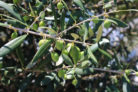
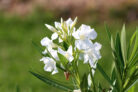
- The Foliage: The leaves are lance-shaped and come in shades ranging from light to dark glossy green. They can grow up to 8 inches long.
- Winter Blues: Heads up—oleanders aren’t fans of the cold. Once temperatures hit about 23°F (-5°C), they can suffer serious frost damage. If you live somewhere with chilly winters, you’ll definitely need to bring them inside or provide proper protection.
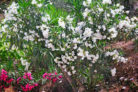
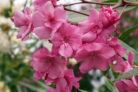
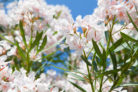
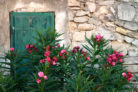
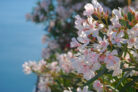
- The Blooms: Depending on the variety, you’ll see single or double blossoms. They come in gorgeous shades of white, pink, red, purple, and yellow. You can expect flowers from May all the way through September—and sometimes even longer!
- Seeds: After the flowers are pollinated, the plant produces long, pod-like fruits where the seeds ripen.
A Quick Safety Note: Handle with Care
As beautiful as they are, keep in mind that every single part of the oleander plant is toxic. You’ll want to be extra careful when pruning or repotting your plant. Always wear gloves and long sleeves to protect your skin, as the milky sap can cause some pretty nasty irritation or rashes.