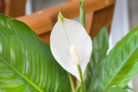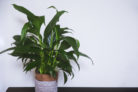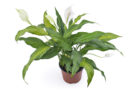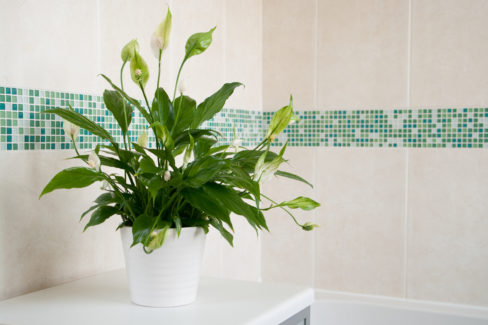
The Peace Lily (botanically known as *Spathiphyllum*) is a total classic, and for good reason. With its glossy, deep green leaves and those iconic white blooms, it’s a real showstopper. Plus, it’s incredibly low-maintenance, making it a perfect choice for beginners or as a “set it and forget it” office plant that can handle a little neglect.
The Perfect Spot
Finding the right home for your Peace Lily is half the battle. If you want yours to really thrive, look for a spot with these vibes:
- Bright, indirect light (avoid harsh, direct sun which can scorch the leaves) or light partial shade.
- Warm temperatures (ideally between 68°F and 74°F).
- No drafty windows or AC vents.
While Peace Lilies are pretty chill about lower light levels, they are sensitive to the cold. They also love humidity (around 50-60%), which is why they often look so happy in a bathroom!
Care Tips
Even though they’re easy-going, your Peace Lily still needs a little TLC to look its best.
Watering
The goal is to keep the soil consistently moist but not soggy. You’ll want to water your Peace Lily once the top layer of soil feels dry to the touch. They hate “wet feet,” so make sure to dump out any excess water sitting in the saucer after watering.
Feeding
From March through October, your Peace Lily will appreciate some fertilizer. You can use a standard liquid fertilizer or slow-release spikes. If you want to encourage more of those beautiful white blooms, a fertilizer formulated for flowering plants works wonders, though a general-purpose houseplant food usually does the trick too.
Pruning
You don’t need to worry about any heavy pruning here. Just snip off wilted flowers or dried-out leaves as close to the base as possible, or give them a quick, firm tug to remove them.
Repotting and Propagation
Depending on how fast it’s growing, your Peace Lily will likely need a bigger pot and fresh soil every one to three years. If the plant is getting too big for its britches, repotting is the perfect time to propagate! You can easily create new plants by gently dividing the root ball into smaller sections.
Pests and Problems
Diseases like leaf spot are pretty rare for Spathiphyllum. The biggest threat is usually root rot, which happens if you get a little too heavy-handed with the watering can.
Pests aren’t a huge issue either, but keep an eye out for the usual suspects like spider mites, aphids, or mealybugs. A quick regular check-up will keep your plant healthy and happy.
Hydroponics
If you prefer a soil-free setup, Peace Lilies do great in hydroponics (growing in water/clay pebbles). The same rules apply: don’t overdo the water level, and make sure to use a specialized hydroponic fertilizer to keep it nourished.