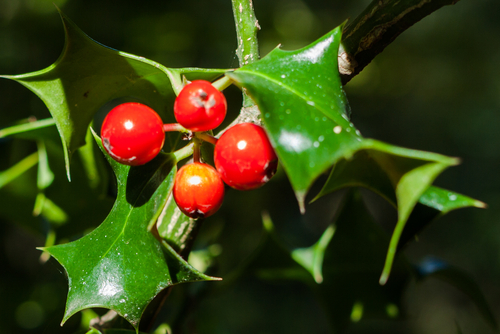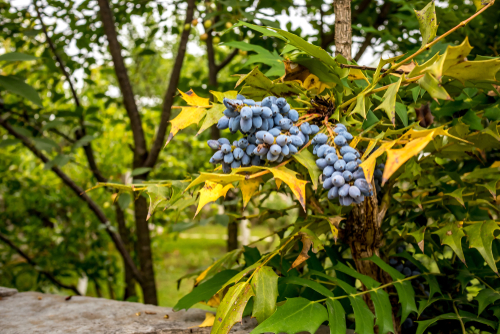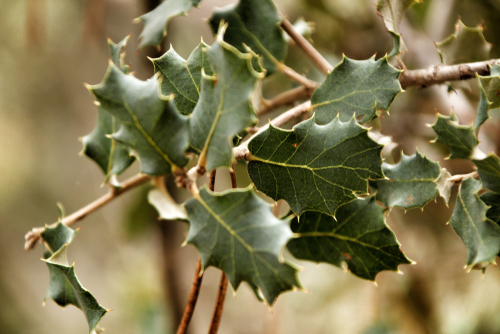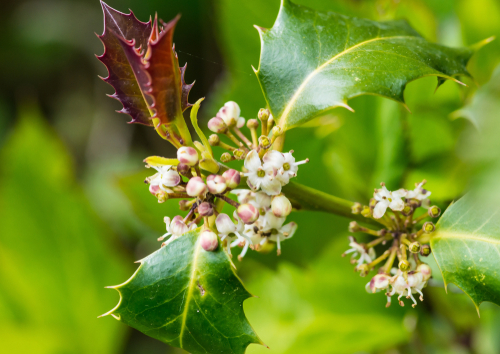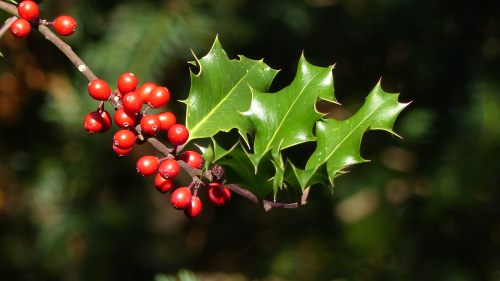
Holly is a huge favorite for many of us gardeners, and it’s easy to see why! Whether you’re using it as a stunning focal point or a lush, evergreen privacy hedge, it adds a classic look to any yard. However, as much as we love that festive greenery, we have to handle it with care—every part of the plant is actually toxic.
The Toxicity of Holly
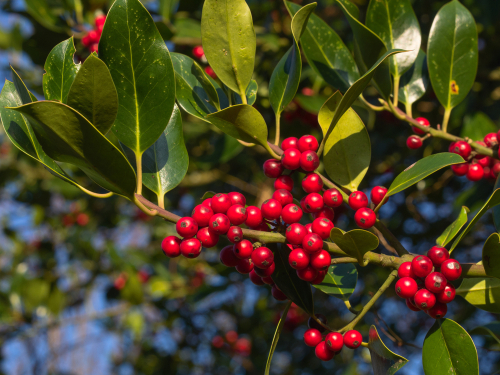
Both the berries and the leaves of the Ilex (that’s the botanical name for holly) are highly poisonous. While kids usually stay away from the prickly leaves, those bright red berries in the fall can look pretty tempting to little ones. You also need to keep a close eye on your furry friends; even two or three berries can be fatal for small pets.
What’s actually in the plant?
Holly packs a punch with a few different toxins. The berries contain triterpenes, while the leaves are full of saponins. Both are highly toxic to humans. To make things even more complicated, holly contains a “cocktail” of other chemicals:
- Ilicin: A toxic bitter substance.
- Menisdaurin: A compound that attacks the lining of the stomach.
- Rutin: A secondary plant pigment.
- Ursolic acid: Often used in the food industry, but not something you want to ingest directly from the plant.
Symptoms of Holly Poisoning
It doesn’t take much to feel the effects. Eating just two red berries can trigger symptoms fairly quickly, including:
- Nausea and vomiting
- Stomach pain
- Diarrhea
- Extreme fatigue
- Paralysis
- Irregular heartbeat
- Kidney damage
If your pets get into the berries, you’ll notice a change in their behavior. Dogs and cats often shake their heads excessively and drool heavily. If they’ve been nibbling on the leaves, the sharp edges can also cause physical injuries to their mouths. If you suspect your pet ate any part of a holly bush, get them to the vet immediately—they will likely need to have their stomach pumped.
What to do in an emergency
If someone eats a few berries (up to five), have them drink plenty of water right away and call a doctor just to be safe. If they’ve eaten more (around 10), call Poison Control immediately and head to the emergency room, as they may need medical intervention. Eating 20 to 30 berries is considered life-threatening.
Pro tip for parents: If you have toddlers playing in the garden, it’s a smart move to strip the berries off the lower branches in the fall to keep them out of reach!