Looking for a garden that’s both stunning and a haven for local wildlife? These popular perennials don’t just look great; they’re also a major food source for our favorite beneficial insects. Here’s a breakdown of what each plant brings to the table and how to pick the perfect ones for your yard.
[[plants]]
++Great Masterwort (Astrantia major)
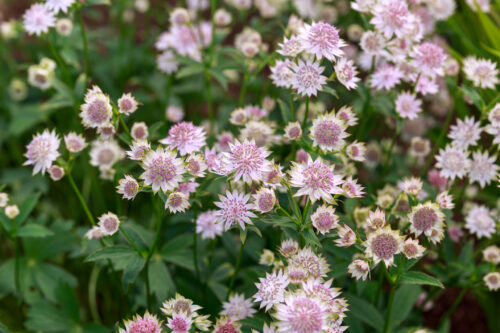
Masterwort is a woodland native that’s tough as nails. In the wild, it grows at altitudes of up to 6,500 feet, so it handles chilly temperatures without breaking a sweat. This perennial sends up elegant, long stems reaching about 28 inches high, topped with unique, pincushion-like blooms. For the happiest plants, give them a spot with lime-rich soil or moist, nutrient-dense clay.
++Common Yarrow (Achillea millefolium)
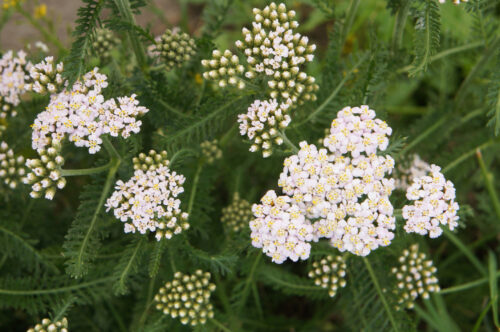
Common Yarrow is a reliable garden staple that comes back year after year. While the wild variety is often white or yellow, you can find cultivars in a whole rainbow of colors. Starting in June, this plant explodes into a sea of flowers that lasts well into the fall. They have a lovely, spicy scent and are a magnet for pollinators. Just make sure to plant them in full sun, and if they start taking over, don’t be afraid to divide them.
++Common Vervain (Verbena officinalis)
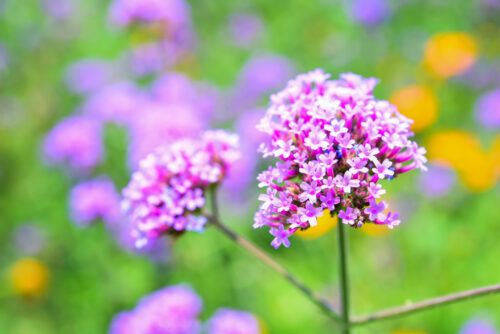
If you’re looking for a pollinator-friendly plant with delicate purple blooms, Vervain is a fantastic choice. Historically, it’s been used as a herbal remedy for headaches and mood boosts, but in the garden, its real magic is attracting bees. From June to October, it provides a steady nectar source for tiny wild bees. The best part? It’s low-maintenance. It thrives in poor soil and rarely needs a drink once established.
++Canada Goldenrod (Solidago canadensis)
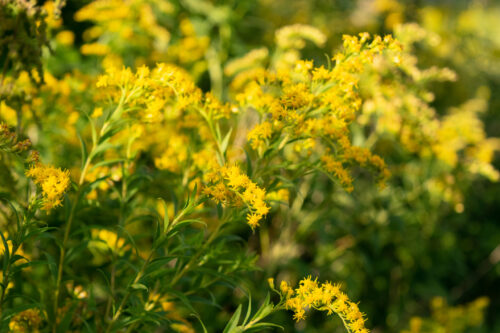
For a tall, striking perennial with bright yellow plumes, you can’t beat Goldenrod. This North American prairie native is a powerhouse for biodiversity. During the Goldenrod blooming season, your garden will be buzzing with activity. Just a heads-up: it’s a vigorous grower and likes to spread. If you want to keep it in check, simply deadhead the flowers before they go to seed.
++Catmint (Nepeta cataria)
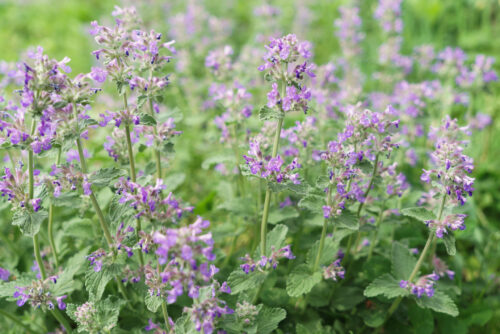
Catmint fills your garden with a refreshing scent and beautiful flowers that often mimic the look of lavender—though you can also find varieties in blue or white. It’s an early bird, offering plenty of nectar as early as April. It’s incredibly hardy and thrives on neglect. Stick it in a sunny spot with lean soil, and it’ll be happy as a clam.
++Stonecrop / Showy Sedum (Sedum spectabile)
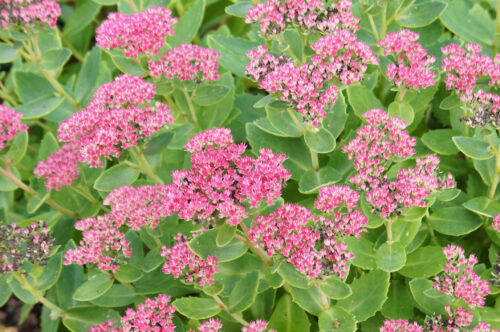
Sedum is a fan favorite for a reason. When it blooms between June and September, it produces large, flat flower heads that look great against its thick, succulent leaves. Because it stores water in those leaves, it’s very drought-tolerant—perfect for those hot, dry summers. It usually reaches about 30 inches in height and provides a vital late-season snack for insects.
++New York Aster (Symphyotrichum novi-belgii)
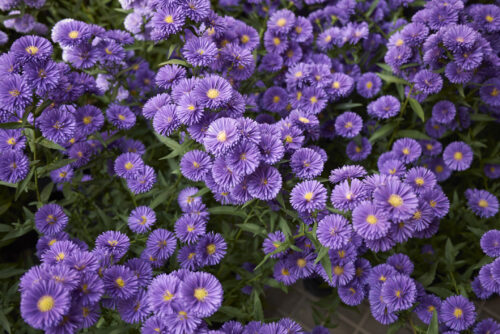
Asters are a win-win for both you and the bees. Gardeners love them for their vibrant colors, and pollinators love them for the late-season food. Their blooming window starts in July and carries on through the fall, ensuring your garden stays lively when other plants are fading. With so many varieties available, you can easily find a shade that matches your style.
++Blanket Flower (Gaillardia x grandiflora)
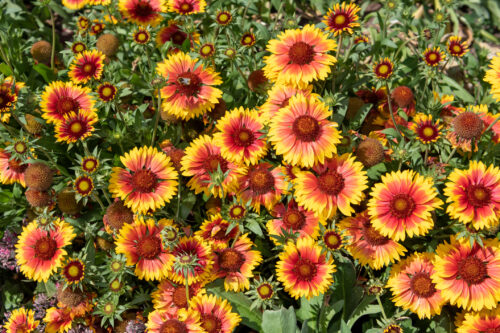
If you want big, bold color, the Blanket Flower is your best bet. This hybrid is famous for its stunning multi-colored petals that look like a sunset. It’ll keep the insects fed all the way through October. Just make sure you plant it in well-draining soil; these beauties don’t like “wet feet” (standing water) at all!