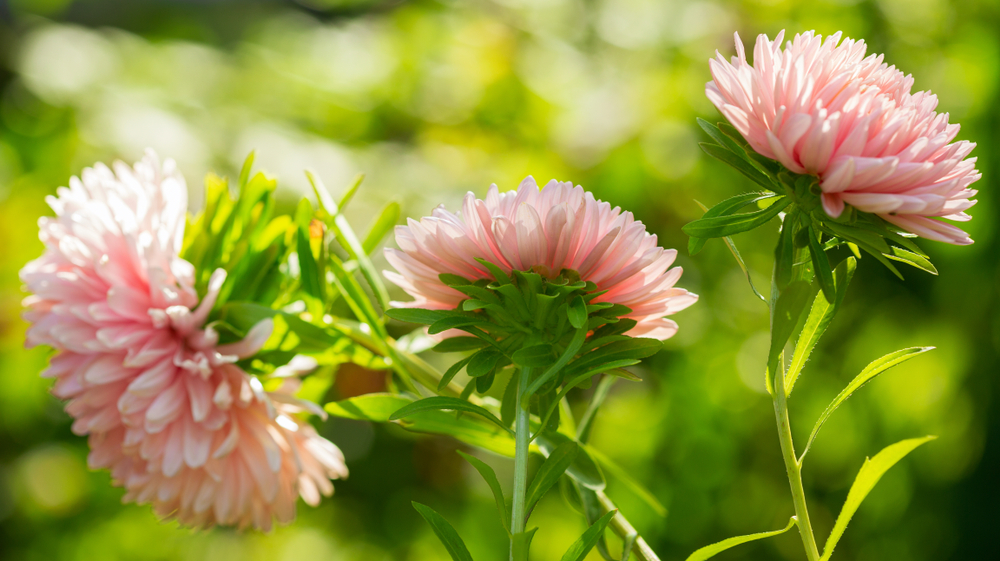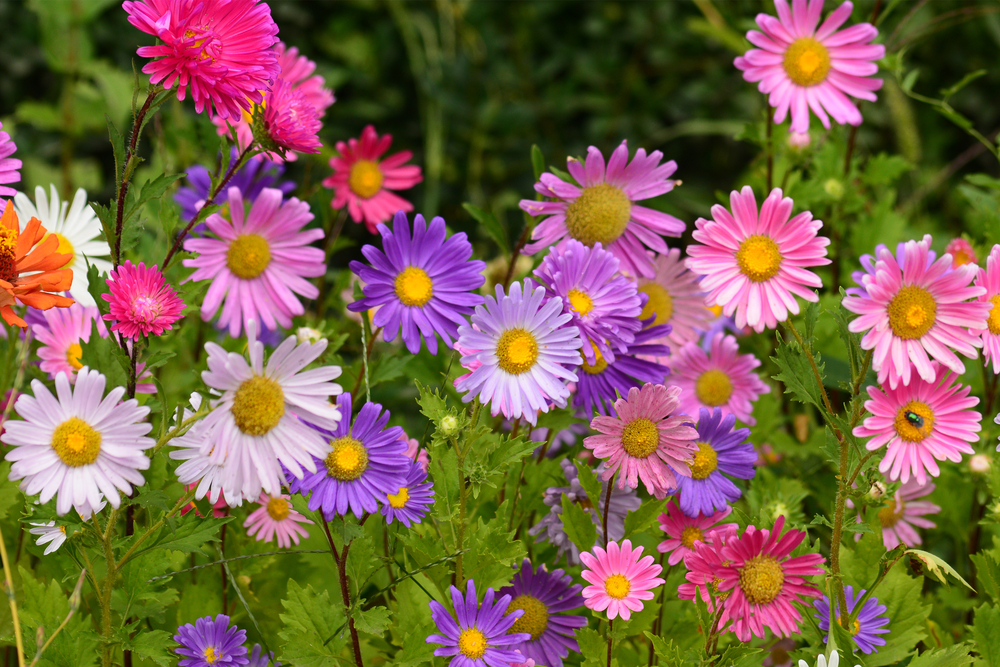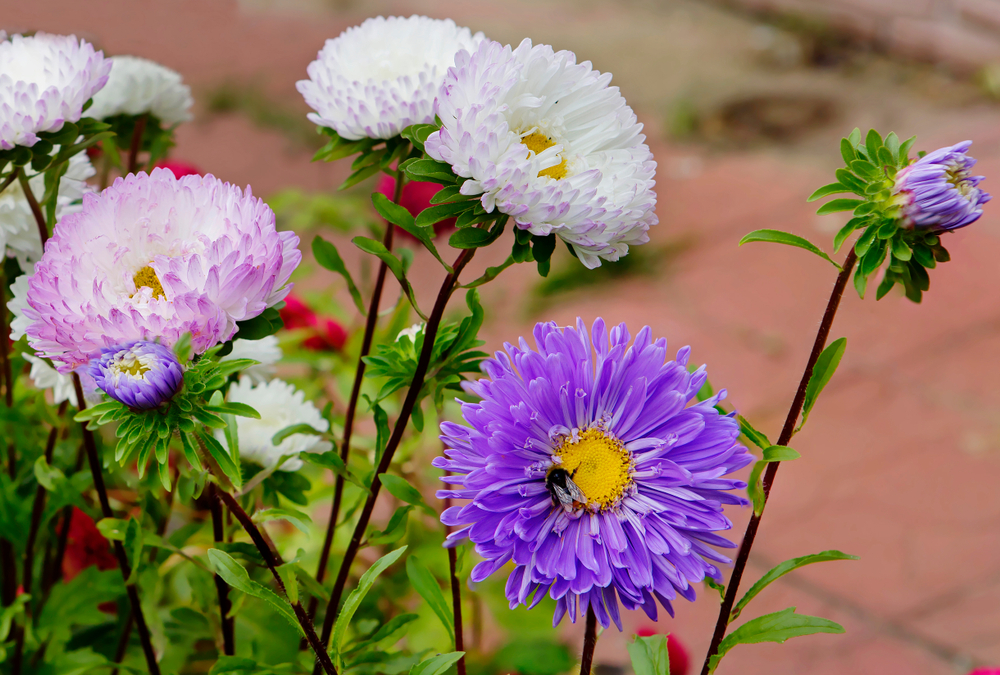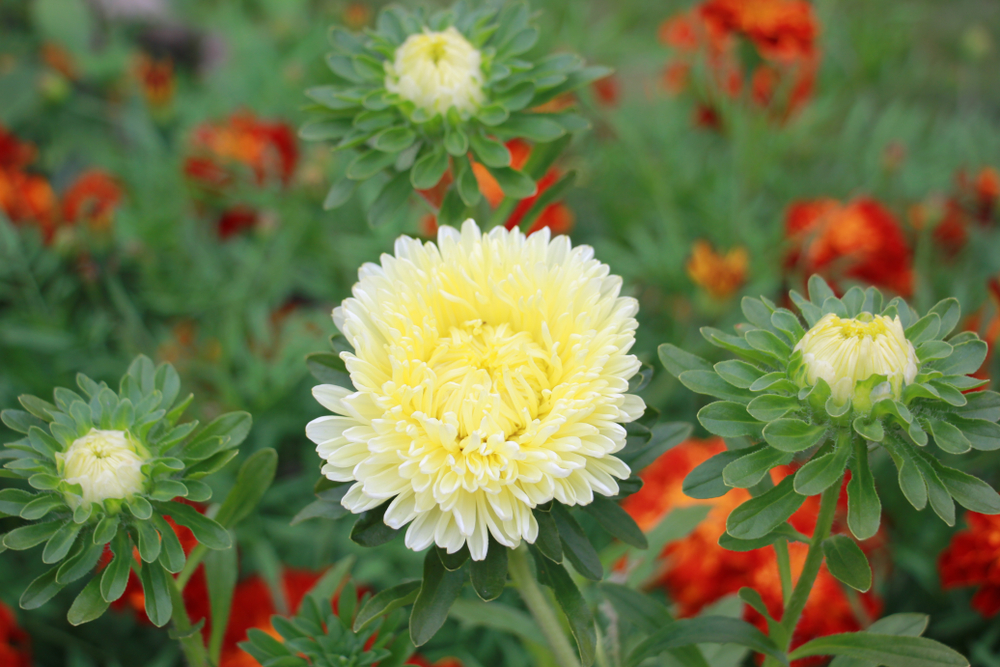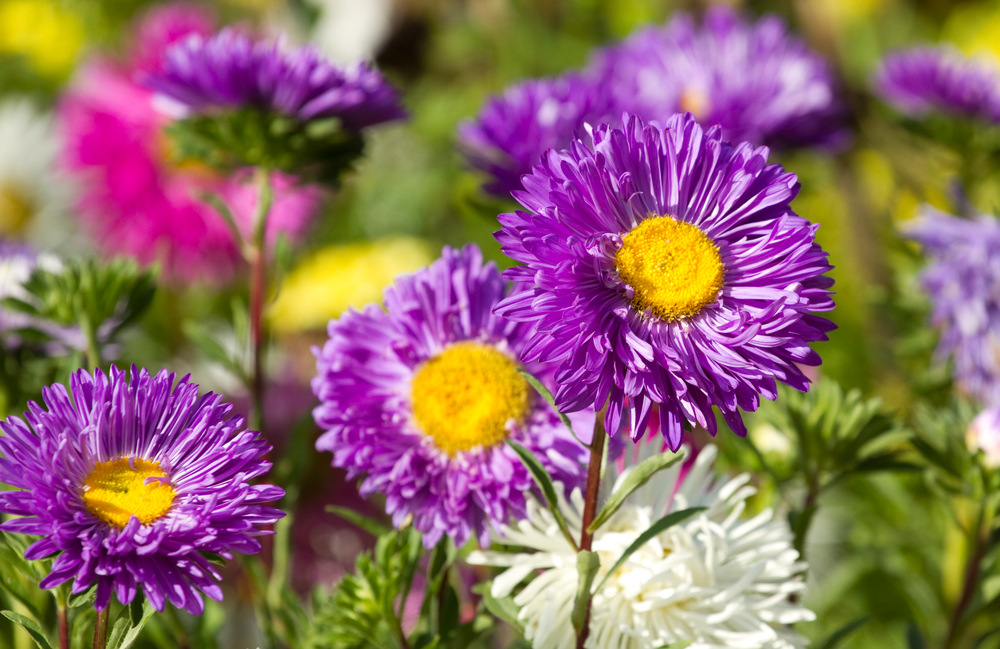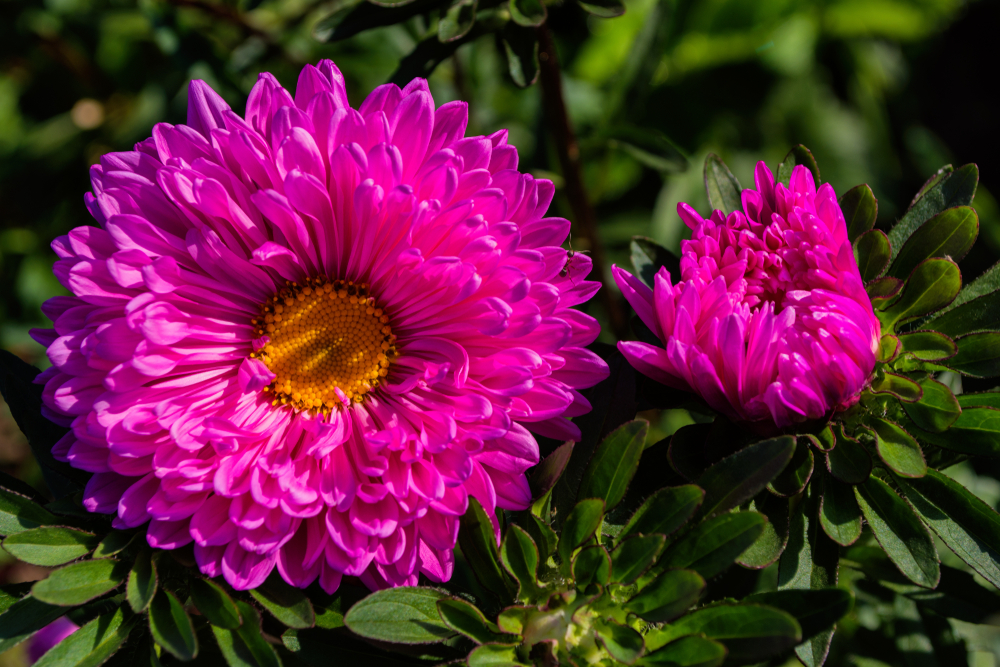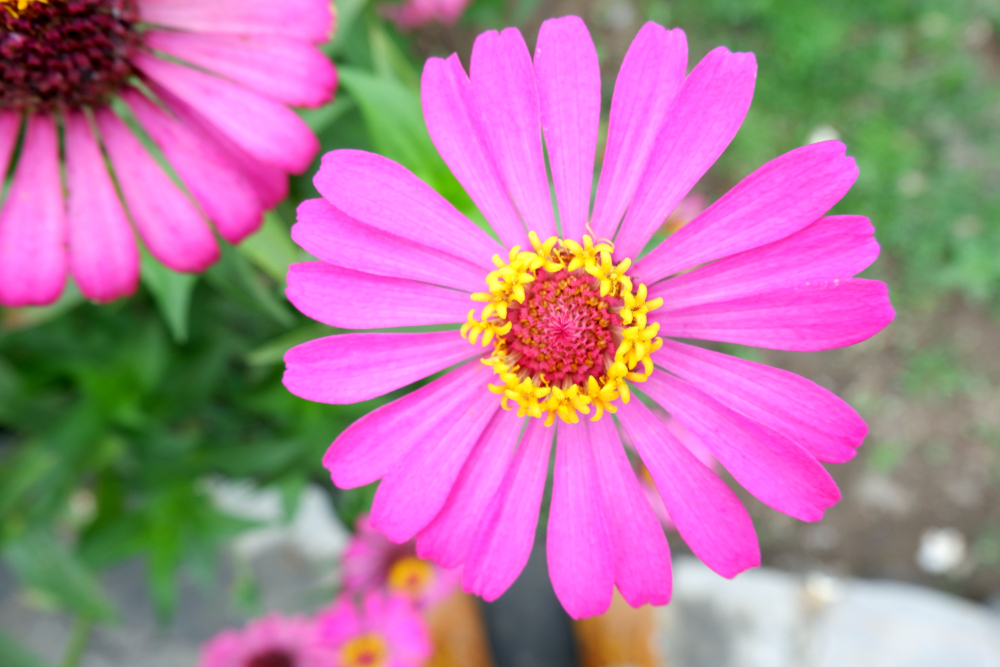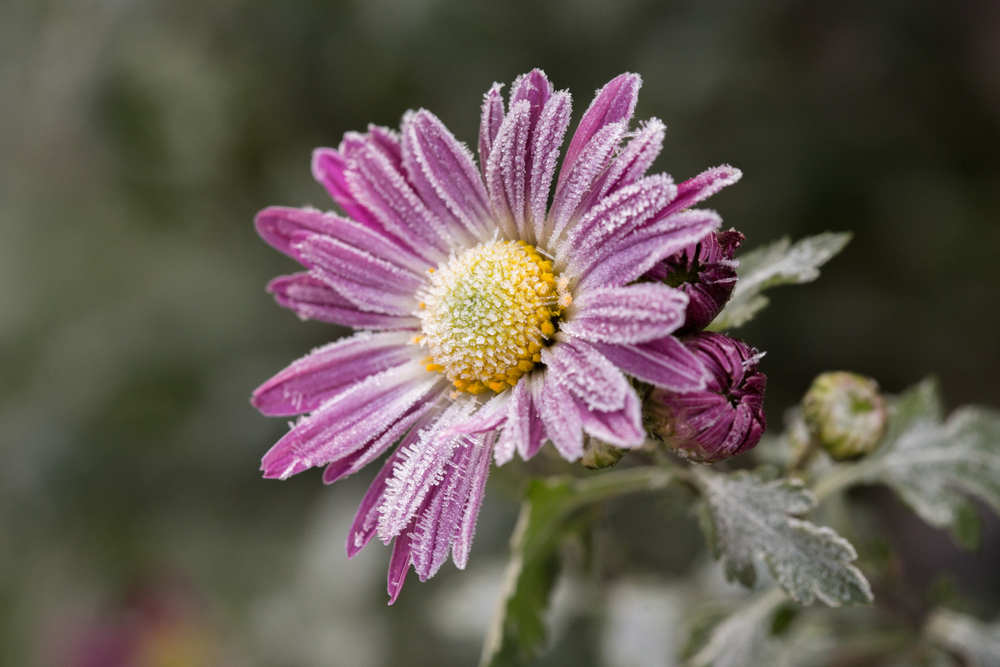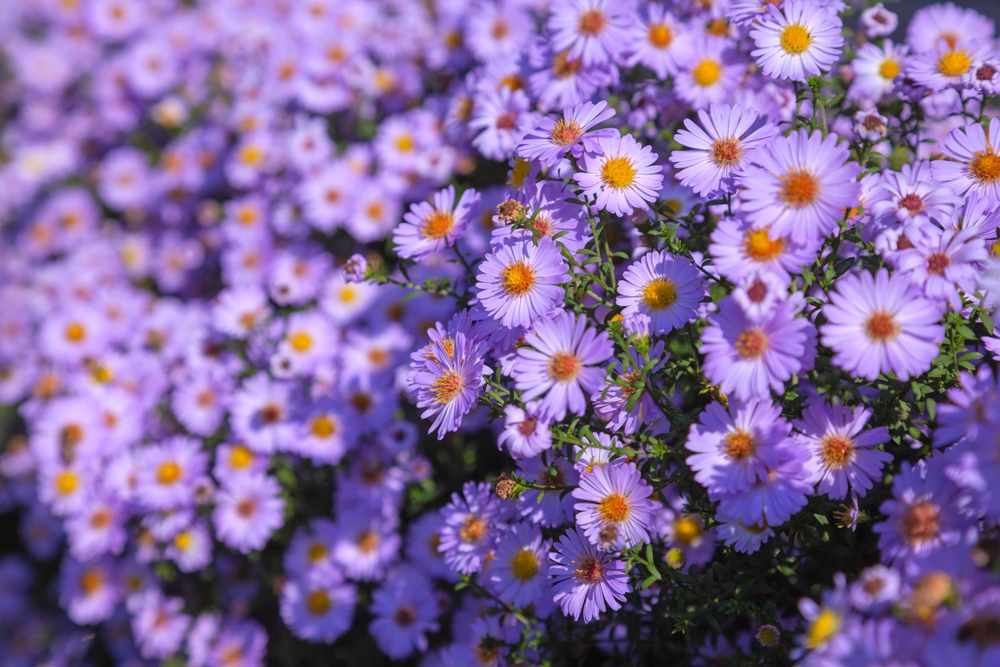
Asters belong to the daisy family (Asteraceae), and let me tell you, their range of colors and bloom times is pretty incredible. Depending on which variety you pick, you can enjoy these colorful “stars” in your garden from early spring all the way through late fall. If you’re smart about how you mix and match them, you can have bright pops of color in your flower beds almost all year long!
Aster Varieties
There’s an aster for every season. They vary quite a bit in how they grow, how tall they get, and of course, their color. Generally, we categorize them into spring, summer, fall, and winter bloomers.
- Spring Asters: Alpine Aster, East Himalayan Aster (Aster tongolensis)
- Summer Asters: Italian Aster (Aster amellus), Goldilocks Aster (Aster linosyris)
- Fall Asters: Cushion Aster, Heath Aster, New England Aster, New York Aster
- Winter Asters: Late-blooming wild varieties
The Blooms
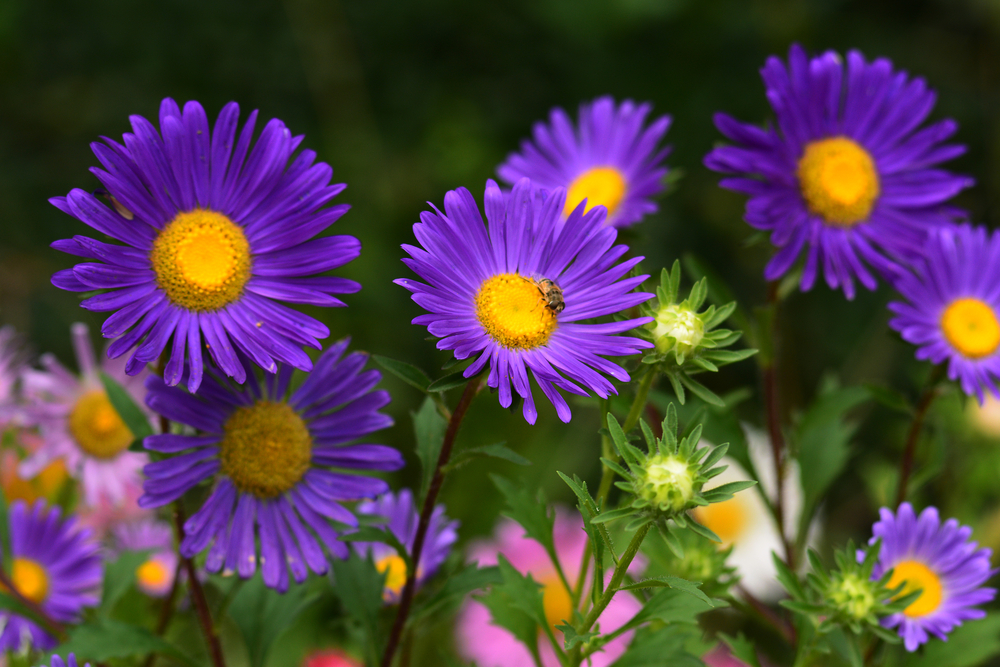
At first glance, they look a lot like daisies. But here’s a cool botanical fact: an aster isn’t actually one single flower. It’s a composite of many tiny “ray florets” (the colorful petals) surrounding a center of yellow “disk florets.” The color palette is huge—ranging from deep pinks, reds, blues, and purples to crisp whites and soft pastels.
When Do They Bloom?
The first asters start showing off in May. By July, summer varieties like the Goldilocks Aster join the party, taking over as the spring types fade. This summer show lasts through August. Then, September hits, and that’s the real peak of the aster year! Fall asters bloom through October and are a total lifesaver for bees, giving them a much-needed pollen boost before winter sets in. Finally, we have the winter asters. They open up in October and keep the garden looking bright and cheery well into November.
Location and Care
To get those lush blooms from spring to fall, finding the perfect spot is key. While every variety has its own little quirks, almost all asters are total sun-worshippers. That said, most will do just fine in light partial shade too. You’ll want soil that is loose, well-draining, and packed with plenty of organic compost.
Asters are generally pretty low-maintenance. The main trick is to give them plenty of water right before they bloom to ensure a spectacular show. They definitely need an extra drink during dry spells—if the soil feels dry to the touch, give them a good soak at the base of the plant. Try to keep the leaves dry, though; wet foliage is an open invitation for powdery mildew!